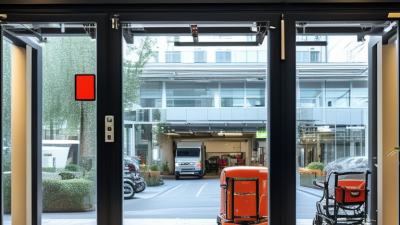
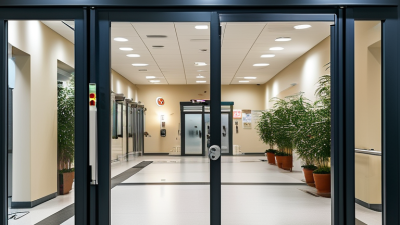
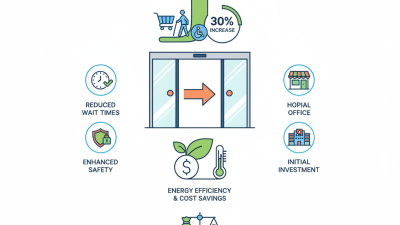
Choosing motorised doors is a practical business decision, not just a matter of appearance. The right door can help manage deliveries, staff access, and daily traffic while reducing the effort of opening heavy entrances. A busy loading bay has different needs from a customer-facing shop or a temperature-controlled store. Small details matter. Door size, opening speed, noise, insulation, and available headroom can all affect how well a system works in its actual setting.
There is no single option that suits every site. Fast isn't everything. A door that opens frequently may need a durable motor and controls suited to repeated cycles, while a quieter entrance may matter more in an office or clinic. Power supply, backup operation, safety sensors, and maintenance access deserve attention before purchase. Ask suppliers for clear specifications, warranty terms, and details about servicing. Check that the proposed system fits the building and applicable safety requirements, rather than relying on a brochure’s broad claims. It can be tempting to focus on the upfront price; that deserves a second look. Installation, downtime, and routine repairs can change the overall cost. These seven tips will help you compare motorised doors with your site’s daily demands in mind, ask more useful questions, and make a choice based on evidence rather than guesswork.
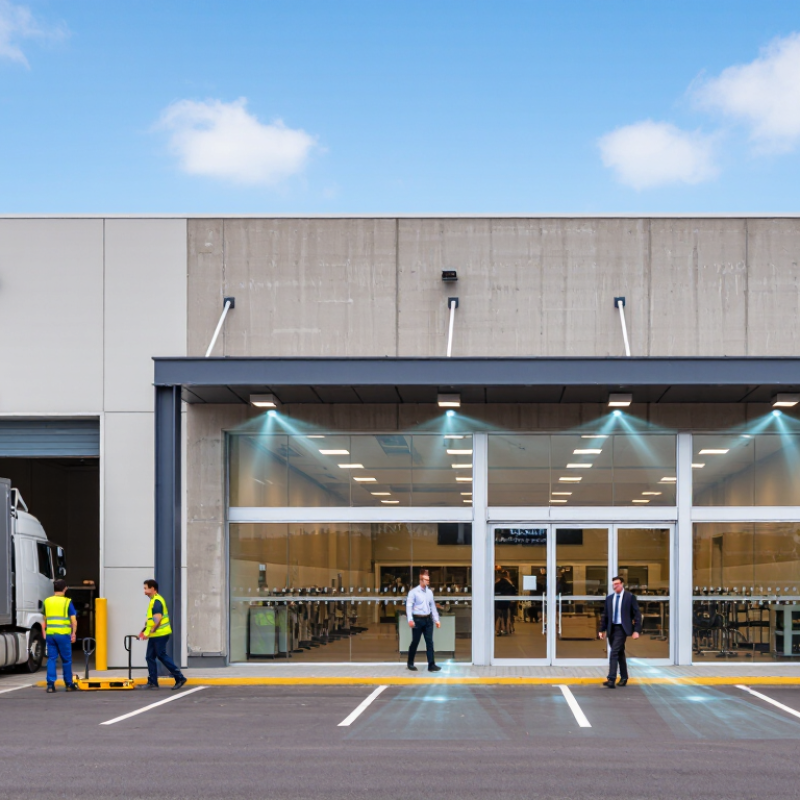
Start with a traffic count, not a guess. Record vehicle and pedestrian movements during busy shifts, then estimate how many full opening-and-closing cycles the door will handle daily. A forklift queue at 8 a.m. can create more wear than a quiet afternoon. Allow for seasonal peaks, too.
Next, measure the clear opening with the largest load in motion. Check its width and height, including raised forklift mast or pallet overhang. A tape measure alone may miss turning space, floor slopes, or nearby shelving. Stand where drivers approach and watch a real delivery pass through. Awkward stops matter.
Match the expected workload to a documented duty rating. EN 12604:2017 sets durability classes ranging from 5,000 to 250,000 operating cycles. Use your estimated annual cycles to compare the rating with likely service life, and ask the installer how testing conditions relate to your site. A spreadsheet won’t capture every interruption. Recheck the estimate after observing a full shift; traffic patterns are rarely as tidy as planned.
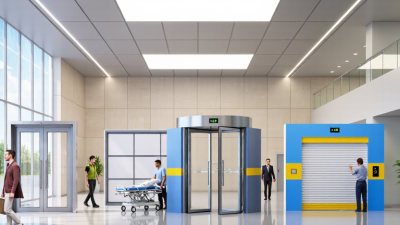
When comparing motorised doors, ask for thermal-transmittance data determined under EN 12428. The standard provides a method for determining a door’s U-value, which indicates how readily heat passes through it. A lower value generally means less heat transfer through the tested assembly. Numbers matter. Check that reports identify the door construction, dimensions, and calculation or test basis. A figure for an insulated panel alone may not represent the complete door, including its frame and joints. Compare like with like, and confirm the units are consistent.
A neat number can still mislead. Ask whether the result reflects the configuration you plan to install, including glazing, if fitted. Site conditions also matter: gaps around the frame, worn seals, and frequent opening can affect real-world heat loss. Picture a loading bay in winter, with cold air entering around a poorly sealed edge despite an impressive product value. Insulation is only one part of the choice; opening speed, usage, and maintenance deserve attention too. I would not treat one test value as a prediction of an entire building’s energy use. Check the report details, then discuss installation conditions with a qualified door professional.
Entrapment protection deserves close attention when choosing a motorised door. EN 12453 sets safety requirements for powered doors and gates, including ways to reduce crushing, shearing, and impact risks. The right protection depends on the door’s design, movement, and surroundings.
Ask how the installation will detect a person or object in each hazardous area. Photocells can stop movement when a beam is interrupted, but they may not cover every pinch point. Pressure-sensitive safety edges can help where contact is possible. Small gaps matter. Request a site-specific risk assessment and evidence that protective devices are suitable for the door and its operating conditions. Compliance should be checked against the applicable standard and local requirements, not assumed from a product description.
Testing matters just as much as the selected equipment. A qualified installer should verify stopping distances, safety-device response, and operating forces using appropriate test methods. Try a realistic walk-through: could a child, trolley, or delivery box enter the closing path unnoticed? Keep inspection and repair records, and arrange regular checks, especially after impact or changes to the controls. A sensor can drift or fail quietly. That is easy to overlook, and it is worth admitting that routine checks do not remove every risk.
Commonly cited force limits at the main closing edge are shown for the indicated time points. Actual requirements depend on the door, test location and safeguarding method; these figures alone do not establish compliance. Have the door assessed and tested against the applicable edition of EN 12453 by a competent professional.
A motorised door should move stock efficiently without narrowing the way out. OSHA requires exit routes to be at least 28 inches wide at all points. Treat that as a minimum, not a comfortable design target. Measure the clear passage with the door fully open. Include tracks, handles, safety edges, and anything stored nearby. A wide-looking opening can shrink quickly. A parked cart is enough.
Check the route from both sides, especially where people turn toward an exit. Make sure sensors detect someone moving slowly, and confirm what happens during a power failure or obstruction. Staff should know how to release the door manually, if the design requires it. Plans change. Shelving, bins, and workstations often drift into clear space over time, so mark the route on the floor and inspect it regularly. One detail can be missed.
The 28-inch rule does not answer every question about door operation or accessibility. Confirm the proposed setup against applicable fire and building requirements, and ask the installer to document the usable opening and emergency behavior. Test the actual door with people and equipment moving through it—not just an empty doorway. A drawing can look perfect. Real traffic is messier.
A motorised door is not automatically a fire door. Check the permanent label or documentation for the assembly’s fire rating, and confirm it suits the wall opening and building requirements. That label matters. A fast motor, thick curtain, or heavy-looking slat does not prove a tested fire rating. If the label is painted over or missing, pause before buying and ask the supplier or a qualified fire-door professional to verify the assembly. The motor, guides, curtain, release devices, and installation must work together as intended.
NFPA 80 calls for fire-door assemblies to be inspected and tested at least annually, with results documented. During a practical check, watch the door travel fully, close, and latch without binding. Test its fire-alarm release or other closing trigger according to the system design; keep people clear while testing. Look for bent guides, loose fasteners, damaged slats, and objects blocking the path. Small faults can matter. Keep dated records of findings, repairs, and the person who performed the inspection. Requirements can depend on the door type and adopted code, so verify details with the authority having jurisdiction. I have seen a door operate smoothly in daily use yet fail to close properly during a test. Routine use is not a substitute for inspection.
| Tip | Decision area | What to verify | Practical check |
|---|---|---|---|
| 1 | Opening and traffic needs | Match the door type and operating speed to the opening dimensions, vehicle or pedestrian traffic, available headroom, and expected use. | Record clear opening width and height, peak traffic periods, and whether people, forklifts, or other vehicles use the opening. |
| 2 | Operating environment | Consider exposure to wind, temperature changes, moisture, dust, washdown, and corrosive conditions. These factors affect material and component selection. | Ask the installer to assess the site conditions and specify suitable door materials, seals, controls, and installation details. |
| 3 | Safety and access control | Check the required safety devices and controls, such as presence detection, photoelectric sensors, emergency stops, and access-control interfaces, as applicable to the door and local code. | Confirm how the door behaves when a sensor detects an obstruction and how authorized users can operate it during a power or control-system failure. |
| 4 | Fire-door rating | A motorised door is not automatically fire-rated. For a fire-door opening, verify the identification label and documentation for the complete listed assembly, including the door, frame, hardware, and operator where applicable. | Check that the rating and installation match the opening requirements approved by the authority having jurisdiction. Do not rely on appearance or a sales description as proof of a rating. |
| 5 | Fire-alarm and closing operation | For a fire-door assembly, verify that release, closing, and any hold-open functions are configured in accordance with the assembly listing and applicable fire and building codes. | Have a qualified professional test the interface and confirm that the door can close and latch as required without obstructing the intended means of egress. |
| 6 | Annual fire-door inspection | NFPA 80 requires fire-door assemblies to be inspected and tested at least annually, with results documented. The applicable edition and local adoption determine the governing requirements. | Maintain inspection records and arrange inspection by a qualified person. The review typically checks the assembly’s condition and operation, including closing and latching where required. |
| 7 | Maintenance and lifecycle cost | Compare service access, parts availability, maintenance requirements, warranty terms, and expected operating cycles—not just the initial purchase price. | Request a written maintenance schedule and clarify who will handle routine service, repairs, and any required fire-door inspection records. |