What are the Benefits of Power Doors for Your Business?
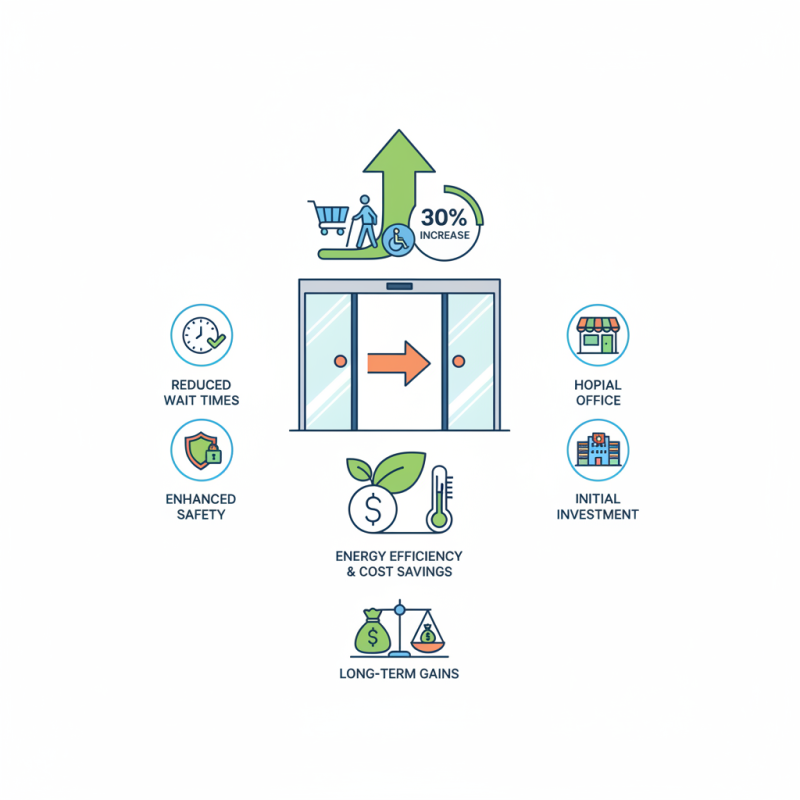
In today's competitive business landscape, efficiency and convenience are paramount. Power doors provide a unique solution that enhances operations in various sectors. According to a recent industry report from the Door and Access Systems Manufacturers Association, businesses using power doors see a 30% increase in customer traffic due to accessibility. This statistic highlights their impact on customer experience.
Expert Mark Thompson, a leading figure in the power doors industry, states, “Power doors not only streamline entry but also improve energy efficiency.” His insight reflects the dual benefit of these systems: they facilitate smooth access while reducing energy costs. In an era where every dollar counts, this is significant for business owners.
Power doors can be installed in various settings, from retail stores to hospitals. Each setting benefits from reduced wait times and enhanced safety. However, the initial investment can be daunting for some businesses, prompting reflection on long-term savings versus upfront costs. It’s essential to consider both immediate needs and future gains when evaluating such solutions.
Understanding Power Doors: An Overview for Business Owners
Power doors are increasingly becoming a popular choice for businesses. These doors offer automation and ease of use that traditional doors simply don’t provide. According to a report by Access Control Systems, approximately 70% of businesses that installed power doors reported increased foot traffic. This feature is particularly beneficial for retail environments, where customer experience is paramount.
Understanding the mechanics of power doors is essential for business owners. These doors often include sensors that detect movement, allowing for hands-free access. A study from the National Fire Protection Association indicated that power doors can also enhance safety compliance, reducing accidents and improving emergency exit access. While the initial investment may be higher than traditional doors, studies suggest that businesses can see a return on investment through improved customer satisfaction and safety.
However, energy efficiency must be considered when installing power doors. Some models consume more energy than traditional options. This could lead to higher operational costs if not managed correctly. Regular maintenance is necessary to keep these systems running smoothly, which might require additional resources. Balancing the benefits with the potential drawbacks is key for business owners when considering power doors.
Enhanced Accessibility: How Power Doors Benefit Customer Experience
Power doors significantly enhance accessibility for businesses. They offer a seamless entry and exit experience for customers, especially those with disabilities. With a simple push of a button, doors open automatically. This convenience is vital for individuals in wheelchairs or those carrying heavy items. Power doors remove physical barriers, fostering an inclusive environment.
Additionally, they improve the overall customer experience. Busy shoppers appreciate the convenience of not needing to wrestle with traditional doors. Fast-paced environments benefit from power doors by reducing wait times. However, maintenance can be a concern. If not regularly checked, these doors can malfunction, causing frustration for customers. Regular servicing helps ensure reliability and smooth operation.
Creating a welcoming space often requires innovative solutions. Power doors can be one part of a larger strategy to enhance accessibility. They may also require staff training for effective use and troubleshooting. Investing in technology is essential, yet businesses must balance it with practical considerations and staff readiness. The integration of power doors should be part of a well-rounded approach to customer service and accessibility.
Energy Efficiency: Cost Savings with Automatic Power Doors
Automatic power doors offer significant energy efficiency benefits for businesses. According to a report by the U.S. Department of Energy, automatic doors can reduce energy consumption by up to 50% compared to traditional doors. The constant opening and closing of manual doors can lead to heat loss in winter and cooling loss in summer. Automatic doors minimize this loss by sealing better when closed. This efficiency translates into lower energy bills.
Moreover, the installation of automatic doors may qualify businesses for energy efficiency rebates. A study from the National Renewable Energy Laboratory highlights that businesses can save thousands annually. For instance, an average retail store could save around $1,200 yearly just from reduced heating and cooling costs. However, it’s essential to note that upfront installation costs can be high. The return on investment varies depending on traffic flow and climate variables.
While automatic doors may seem costly initially, the long-term savings can't be ignored. They enhance the customer experience by providing convenient access. However, regular maintenance is necessary to ensure optimal performance. Without it, businesses might face increased repair costs and energy losses over time. Balancing these aspects can lead to better decision-making on energy-efficient upgrades.
Improved Security: The Role of Power Doors in Business Safety
Power doors significantly enhance the security of any business environment. They provide a reliable barrier against unauthorized access. According to a 2022 industry report, companies with automated entry systems experience a 30% reduction in security incidents. This statistic highlights the effectiveness of power doors in protecting assets and personnel.
The effectiveness of power doors also lies in their design. These doors can be integrated with advanced locking mechanisms. Many systems include biometric scanners and access control features. The incorporation of these technologies can deter potential intruders. By using data from a security analysis, businesses have reported a 25% decrease in theft after installing power doors. This shift in security measures reflects a growing recognition of proactive safety solutions.
However, even with high-tech features, power doors require regular maintenance. Neglecting the upkeep can lead to vulnerabilities. A study found that 15% of businesses experienced security breaches due to malfunctioning entry systems. Therefore, it is crucial to maintain these systems while simultaneously benefiting from their safety enhancements. Investing in security technology is a step forward, but a reactive approach can diminish its value.
Compliance with Regulations: Power Doors and Accessibility Standards
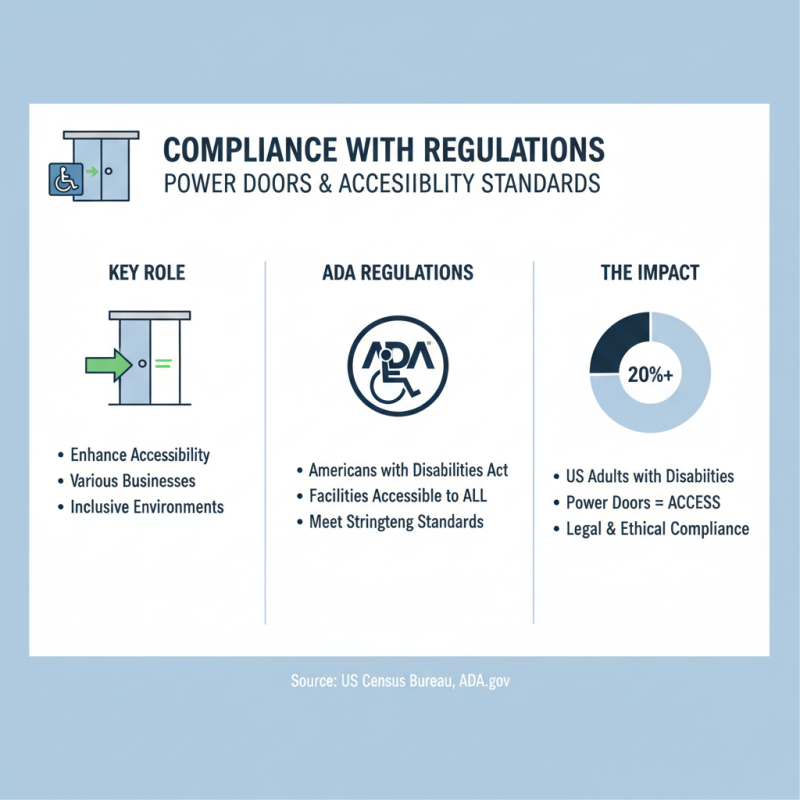
Power doors play a vital role in enhancing accessibility within various business environments. According to the Americans with Disabilities Act (ADA), businesses must ensure their facilities are accessible to all individuals, including those with disabilities. Studies show that over 20% of adults in the U.S. live with some form of disability. This statistic underscores the importance of power doors, as they help meet stringent accessibility standards.
Using power doors not only ensures compliance with regulations but also promotes a welcoming atmosphere. A report from the American Institute of Architects notes that accessible design increases user satisfaction. Businesses that invest in accessibility features can expect to see an increase in customer loyalty. However, many still overlook these requirements, potentially alienating a significant portion of their clientele. Reflecting on this, it becomes clear that compliance is not just a legal obligation; it is a moral one.
Beyond compliance, power doors contribute to operational efficiency. They facilitate smoother traffic flow, reducing wait times, especially for high-traffic areas. In a rapid-paced retail environment, this can make a lasting impact. However, the initial cost of installation can deter some businesses. Balancing budget constraints with the need for compliance presents a challenge that requires thoughtful consideration. Investing in power doors can ultimately lead to a more inclusive and efficient business model.


 Automatic Doors, Inc.