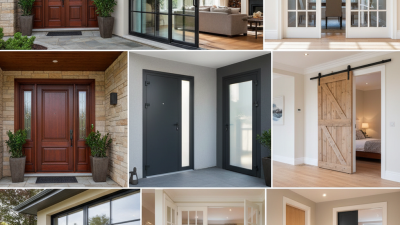
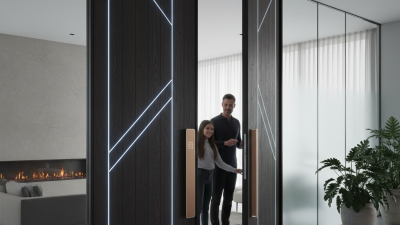
A front door can look solid and still offer little resistance to forced entry. A security door is different by design: its frame, hinges, lock, and door leaf work together to strengthen the entrance. The distinction is not always visible from the street. A heavy-looking slab may have weak fixings, while a well-installed security door can appear simple and understated.
“Security depends on the complete door assembly, not just the lock.” This is a practical expert principle, not a verified quotation from a named specialist. Add a real expert’s name only after confirming the wording and source; inventing an attribution would weaken the article’s credibility.
This guide explains how ordinary doors and security doors differ in purpose, construction, hardware, and installation. It also considers what buyers can inspect: the frame’s connection to the wall, hinge protection, locking points, and gaps around the closed door. Small details matter. A loose strike plate or poorly fitted frame can undermine an otherwise strong product.
No door makes a property completely secure. That deserves saying plainly. The right choice depends on the entrance, the level of risk, and the quality of installation. By comparing doors and security doors feature by feature, readers can make a more informed decision without relying on appearance or marketing claims alone.
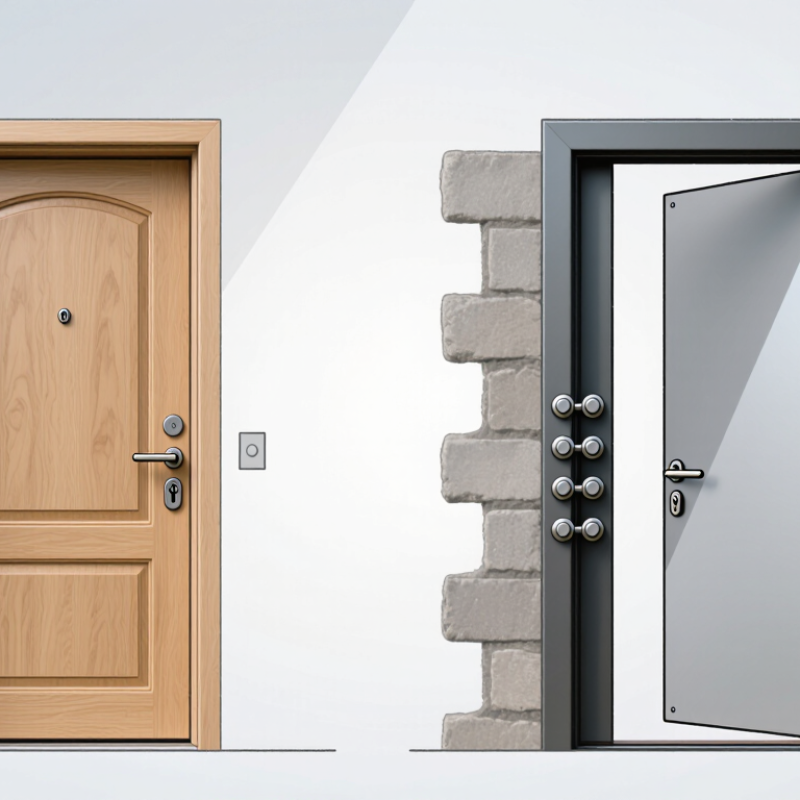
A standard door is a movable panel fitted into a frame to control access, privacy, airflow, or noise. It may be made from solid timber, engineered wood, glass, or a lightweight hollow-core material. In a home, a hollow-core door often serves a bedroom or closet, while a heavier panel may separate rooms where sound matters more. The frame, hinges, handle, and latch all affect how smoothly it works. Small details count. A door that rubs against the floor or leaves a wide gap may need adjustment, not replacement.
“Standard” usually describes an everyday door, not one universal size or construction. Dimensions vary by building, location, and intended use, so measurements should be checked before ordering. A basic interior door is generally designed for routine use and privacy; it is not automatically built or tested to resist forced entry. A security door typically uses a stronger panel, reinforced frame, and more robust locking hardware as a coordinated assembly. Weight alone proves little. Even a solid-looking door can be vulnerable if its frame is weak. It is easy to focus on the panel and overlook the hinges or strike area—an imperfect habit worth reconsidering.

A standard door is commonly described by its size and intended use. A security door is distinguished by its resistance to forced entry, which depends on the tested door assembly—including the door, frame, lock, and hardware.
Common nominal U.S. residential door slab widths are shown; 80 inches is a common height. These are common sizes, not universal requirements, and the clear opening is smaller than the slab. Width alone does not determine whether a door is a security door—look for tested resistance and compatible frame and hardware.
A regular door may be hollow-core wood, solid timber, or a lightweight composite, with hinges and a latch chosen mainly for everyday use. A security door is designed as a tested assembly: door leaf, frame, hinges, lock reinforcement, and fixings work together. Steel skins or reinforced timber can stiffen the leaf, but material alone proves little. A weak frame can still split around the latch.
The FBI’s Crime in the United States 2019 report classified 56.7% of recorded burglaries as forcible entry. That figure describes incidents, not the performance of any door. For a more direct comparison, ASTM F476 sets test methods for swinging door assemblies, including static-load, impact, and tool-attack tests. Ask whether a claimed rating applies to the complete installed assembly. A heavy-looking door is not automatically a tested one. That detail is easy to miss.
Tips: Check the frame material, hinge reinforcement, lock area, and fixing method—not just the door’s surface. Ask for test documentation and confirm it matches the opening and installation. Steel can dent; timber can split. Both need sound construction.
| Feature | Standard Door | Security Door |
|---|---|---|
| Primary purpose | Provides access, privacy, and separation between spaces; some exterior models also help protect against weather. | Designed to provide greater resistance to forced entry, as part of a complete door-and-frame assembly. |
| Typical door leaf construction | May be hollow-core or solid-core timber, engineered wood, fibreglass, or a metal-skinned composite, depending on use. | Often uses reinforced steel, aluminium, or a reinforced composite construction. Exact build varies by product and intended security level. |
| Frame and fixing | Frame strength and fixing method vary; interior frames may be relatively light compared with exterior security assemblies. | Typically paired with a reinforced frame and specified fixings anchored to the surrounding structure. A strong leaf alone does not make the whole opening secure. |
| Locks and hardware | Hardware ranges from simple passage latches to keyed locks, depending on the door’s location and purpose. | May include a multi-point locking system, reinforced lock area, security-rated cylinder, and stronger hinges or hinge-side protection. |
| Glazing and openings | May include glass panels, vents, or decorative openings; their security performance depends on the components used. | If glazing or vents are included, they should be designed and tested as part of the security assembly; some models use reinforced or impact-resistant glazing. |
| Testing and ratings | May be tested for other requirements, such as fire performance or energy efficiency, but those tests do not automatically establish resistance to forced entry. | Some models are tested or certified to applicable regional security standards. Check the exact rating, test scope, and whether it covers the complete assembly. |
| Installation considerations | Correct sizing, alignment, weather sealing, and suitable hardware are important for reliable operation. | Installation must follow the assembly’s specifications, including frame anchoring, clearances, hardware placement, and any required compatible components. |
| Weight and operation | Weight varies widely with size, material, and core; many everyday interior doors are relatively light. | Reinforcement can make a door heavier and may require suitable hinges, a compatible frame, and careful adjustment for smooth operation. |
| Best suited for | Interior rooms and general exterior openings where the selected door meets the relevant functional, weather, and building-code requirements. | Entrances where additional resistance to forced entry is desired, selected to suit the opening, local requirements, and security needs. |
| Important distinction | A heavy or metal-faced door is not automatically a tested security door. | Security depends on the combined performance of the leaf, frame, locks, hinges, glazing, fixings, and installation—not material alone. |
Note: Door construction and security standards vary by country and product. Verify the applicable local requirements and the documented performance of the complete door assembly.
A basic door mainly separates spaces and provides privacy, while a security door is designed to resist forced entry. Its protection usually comes from a reinforced frame, a stronger door leaf, secure hinges, and a lock that engages at several points. A narrow anti-pry edge can make it harder to lever the door open. Details matter.
The frame must be anchored firmly; a strong door fitted into a weak frame may offer little extra resistance. Some models use laminated glass or screened openings, but glazing still needs to suit the door’s security purpose. No door is invulnerable. Poor installation can undo good materials. Look for clear test information and choose a level of protection suited to the entry’s exposure, not appearance alone.
Tips: Check whether the complete door set, not just the door leaf, has been independently tested. Ask an installer to inspect the wall, frame fixings, hinges, and lock alignment. Small gaps deserve attention.
A standard door mainly separates rooms or shelters a home from weather; a security door is designed to resist forced entry as part of a complete assembly. Its leaf, frame, hinges, locks, and strike plate all matter. A reinforced panel can still fail if its frame flexes or screws pull free. Small details matter. The FBI’s 2019 Uniform Crime Reporting data found that 62.8% of reported burglaries involved residential properties. That figure describes reported incidents, not the protection any one door can provide.
In everyday use, differences show up in the feel and upkeep. A heavier security door may need a firmer push, and its closer can make a quiet hallway sound sharper. Check that it latches without lifting the handle, and that the threshold does not catch shoes or mobility aids. ASTM F476 provides test methods for evaluating the security of swinging door assemblies, but “security door” alone does not identify a test result or rating. Ask what assembly was tested and under which conditions. Weather seals also deserve attention: gaps can bring in drafts, dust, and street noise, while swollen seals may make the door harder to close. Not always an easy trade-off. A door that resists entry but is routinely left ajar because it sticks is not performing well in daily life.
A standard door suits low-risk interior rooms, closets, and entrances where everyday privacy and weather protection matter most. A security door is designed with stronger frames, reinforced hinges, or tested impact resistance. It is more appropriate for exposed ground-floor entrances, isolated side doors, or buildings storing valuable equipment. The FBI’s 2023 Crime in the United States report estimated about 847,500 burglaries nationwide. That figure does not mean every home needs a security door. It does make entry-point risk worth assessing.
For a busy office, a robust exterior door may help control access, while ordinary internal doors keep rooms practical and affordable. In homes, inspect the frame and strike plate too; a strong door attached to weak timber may offer little extra resistance. A heavier door can also be a poor choice if it makes daily access difficult. Sometimes the simpler door works better. Security features do not automatically provide fire protection: NFPA 80 sets inspection requirements for fire-door assemblies, so verify that any door separating fire zones is appropriately rated and maintained.
Tips: Match the door to the actual risk, not appearance alone. Check the frame, hinges, lock, and installation together. For fire separations, consult NFPA 80 and a qualified installer; a security label is not a fire rating. Before upgrading, consider who uses the entrance, how often it opens, and whether easier emergency access is essential. Some details are easy to overlook.