What Is the Best Door to Door Shipping from China?
Choosing the best doors to doors shipping service from China requires more than comparing headline prices. The real question is simple: can the provider move your goods safely, predictably, and transparently from the supplier’s premises to your final address?
Martin Christopher, an internationally respected logistics professor, wrote, “The customer is not interested in how the product got there; he is interested in whether it arrived.” That idea remains highly practical today. A reliable door-to-door provider should coordinate pickup, export handling, international transport, customs documentation, destination delivery, and shipment tracking. Each stage matters. One missing document can delay a carton for days.
Sea freight usually suits larger, less urgent shipments. Air freight offers speed, but its cost can rise sharply with bulky cargo. Rail may provide a middle option on selected routes, although schedules and availability can change. These choices are not interchangeable. The best service depends on shipment size, delivery urgency, product characteristics, and destination requirements.
A careful comparison should examine the full quotation. Does it include pickup, customs clearance, duties, taxes, fuel adjustments, and final-mile delivery? Ask for the carrier name, tracking method, insurance terms, and estimated delivery range. “Fastest” is not always best.
No method is perfect. I once assumed a low quote represented better value, but the excluded destination charges changed the calculation completely. That small detail deserved more attention. A trustworthy supplier explains limitations clearly, uses documented procedures, and avoids promises that sound too good. In this guide, we will compare practical doors to doors options from China and identify the service that best matches your shipment.
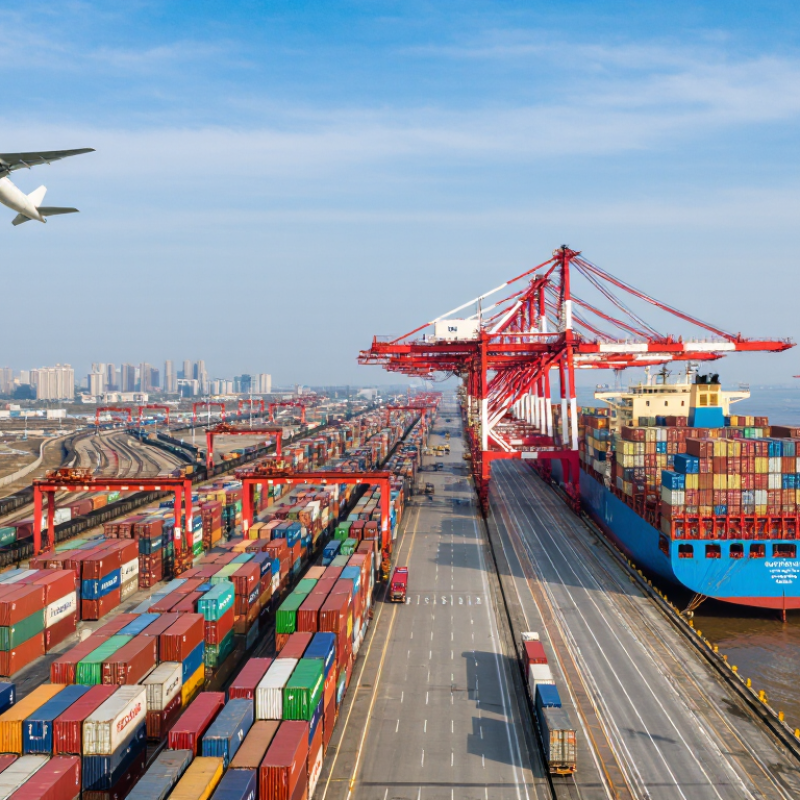
What Is Door-to-Door Shipping from China?
Door-to-door shipping from China means your goods travel from the supplier’s address to the final delivery address. The service usually includes pickup, export handling, international transport, import customs clearance, and last-mile delivery. It is different from port-to-port shipping, where the buyer manages transport after arrival. In practice, the process may begin with cartons collected from a factory in Shenzhen or Ningbo.
The shipping provider normally coordinates the main transport mode, such as air freight, sea freight, rail, or express delivery. Sea freight suits larger, less urgent shipments, while air freight reduces transit time. A reliable quotation should clearly state freight charges, customs fees, duties, delivery limits, and possible storage costs. Ask whether delivery covers a business address, apartment, warehouse, or remote area. These details can change the final price.
Accurate paperwork matters. Commercial invoices, packing lists, product descriptions, weights, and dimensions should match the cargo. Incorrect information can delay clearance or create unexpected charges. Tracking updates should show meaningful movement, not only “in transit.” Cargo insurance may also be useful for valuable or fragile goods. However, door-to-door does not always mean every cost is included. The wording can sound simpler than the real process. I would check the service terms carefully before comparing prices, especially when customs responsibility remains unclear. A low quote is not always the safer choice.
How Does the Door-to-Door Shipping Process Work?
Door-to-door shipping from China moves cargo from a supplier’s address to the buyer’s final delivery point. The process usually starts with product details, carton dimensions, weight, pickup address, and destination. A forwarder then compares air, sea, rail, or multimodal routes. The cheapest option is not always the most predictable.
After pickup, cargo may be inspected, packed, labeled, and consolidated at a warehouse. Export customs clearance follows, using accurate commercial invoices, packing lists, and transport documents. The shipment then travels internationally. Sea freight remains common because UNCTAD’s Review of Maritime Transport 2023 reports that more than 80% of global merchandise trade moves by sea.
At destination, the shipment enters import customs clearance. Duties, taxes, inspections, and document checks can affect delivery time. Once released, a local carrier completes the final-mile delivery to the stated address. The World Bank Logistics Performance Index 2023 evaluates customs, infrastructure, international shipments, logistics competence, tracking, and timeliness. These factors explain why two similar routes can perform differently.
Small errors compound. A wrong postal code can delay the last mile, while unclear product descriptions may trigger customs questions. A polished quote can still hide accessorial charges, storage fees, or residential delivery limits. Therefore, buyers should request a written scope covering customs responsibility, duty treatment, insurance, tracking events, delivery conditions, and estimated transit windows. These details make the process measurable, although real-world delays remain possible.
Which Shipping Methods Are Available from China?
Door-to-door shipping from China can use several transport methods, and each fits a different cargo profile. Express parcel services suit samples, documents, and small cartons. Air freight works better for urgent, high-value goods, usually with airport handling and final-mile delivery included. IATA’s 2023 industry data reports that air cargo carries about 35% of global trade by value, despite representing less than 1% by volume. That explains its price.
Sea freight remains practical for heavier shipments. Full-container load suits stable, large-volume orders, while less-than-container load shares space with other cargo. UNCTAD’s Review of Maritime Transport reports that ships carry over 80% of world merchandise trade by volume.
Rail freight can shorten transit time between China and parts of Europe, but route availability and border procedures vary. It is not universally faster.
Road delivery usually completes the final distance after sea, rail, or air transport. Customs clearance, import taxes, insurance, and residential delivery should appear clearly in the quotation. The World Bank’s 2023 Logistics Performance Index placed China 19th, showing strong logistics capability, but performance still differs by city and destination. I would compare total landed cost, not only freight. A cheap quote may exclude port fees or final-mile surcharges. Transit promises also need caution. Weather, inspections, and peak-season congestion can change the delivery date. Door-to-door sounds simple. The paperwork is not.
How to Compare Door-to-Door Shipping Costs and Delivery Times?
When comparing door-to-door shipping from China, start with the shipment, not the advertised rate.
I record product value, carton dimensions, gross weight, pickup address, and destination ZIP code. A 2.4-cubic-meter order may be charged by volume, while dense cartons are charged by actual weight. Ask whether the quote includes export handling, customs clearance, duties, taxes, delivery appointments, and residential surcharges. Otherwise, a low price can become expensive at the final mile.
Delivery time needs more detail than “fast.” Not always. Request separate estimates for pickup, origin processing, main transport, customs, and final delivery. For example, air shipment may take 7–12 business days door to door, while ocean service may take 28–45. These are working ranges, not promises. Port congestion, weather, inspections, and incomplete documents can add days. I compare the promised range with the purchase deadline and keep a small buffer. It is easy to underestimate customs time.
Use the same shipment data when collecting three written quotes. Check currency, minimum charges, fuel adjustments, insurance terms, tracking events, and compensation limits. Confirm who pays duties and whether the carrier handles delivery inside the building. A quote should show the service scope clearly. I once focused too heavily on transit speed and overlooked a destination handling fee. That mistake changed the real cost. Small details matter. Reliable comparison also means checking claims against recent shipment records, not polished estimates. Ask for proof.






 Automatic Doors, Inc.