How to Choose the Best Home Doors for Your Home?
Choosing the best home doors begins with how your household actually uses each space. A front entrance needs security, weather resistance, and a welcoming appearance. A bedroom door has different demands: privacy, quiet, and a comfortable swing. The right choice should fit both the opening and the daily routine.
Architect Frank Lloyd Wright observed, “The space within becomes the reality of the building.” His architectural insight offers a useful way to consider doors: they connect rooms while influencing how those rooms feel. A solid-core door can soften hallway noise. A glazed panel can carry daylight into a darker corner. A well-sealed exterior door can help reduce drafts, though installation matters as much as the product.
Start with accurate measurements. Check the frame, available clearance, hinge position, and direction of swing. Then compare materials, finishes, insulation, and maintenance needs. Wood has warmth and character, but it may need more care in changing conditions. Fiberglass and steel can suit different budgets and exposure levels. No single material is best for every home.
Small details matter. A latch that catches, a threshold that leaks, or a door that blocks a narrow hallway can become a daily irritation. I would not choose by appearance alone; that is an easy mistake. Consider the room, local climate, household needs, and the quality of installation before deciding. This guide explores those practical choices and the trade-offs behind them. Start with the way you live.
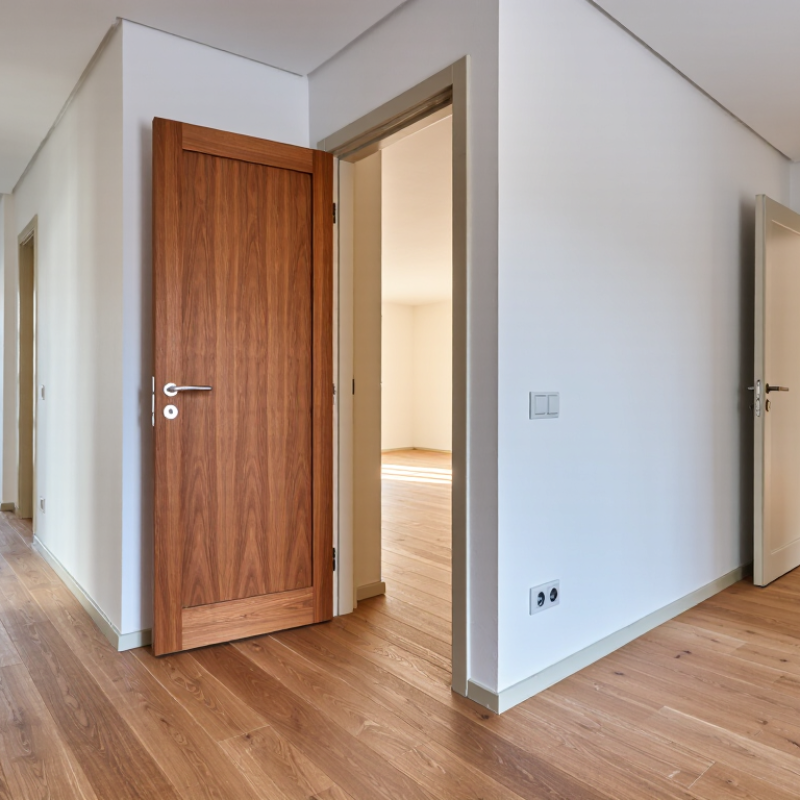
Identify the Purpose and Location of Each Door
A door should suit the job it performs, not just the look of the room. For an exterior entrance, consider weather exposure, security, and how often people pass through with bags or groceries. A solid, well-sealed door can reduce drafts, but check that its weight and hardware suit the frame. Small details matter.
Inside, privacy and moisture often guide the choice. A bathroom door needs a dependable latch and enough clearance to open comfortably, even when a bath mat is in place. Bedrooms usually benefit from a door that closes quietly. For a pantry or laundry area, measure the available swing space; a door that blocks a cabinet or appliance will become frustrating quickly. Pocket or sliding doors can help, though they need suitable wall space.
Think about who uses each doorway and what moves through it. A wide opening may be helpful for a busy family room or when carrying furniture, while a narrow closet door may be perfectly practical. Check the floor transition, nearby switches, and whether the door could collide with another one. A common mistake is choosing by appearance before measuring. Even careful plans can miss an awkward corner, so test the swing with a simple cardboard outline before ordering.
Compare Common Home Door Materials and Styles
Choosing a home door means balancing appearance, weather, maintenance, and daily use. Solid wood has visible grain and a substantial feel, but it may swell or shrink when humidity changes. Steel doors often provide sturdy security and need little upkeep, though dents can be difficult to repair. Fiberglass resists moisture and can imitate wood grain, but quality and insulation vary. No material is perfect.
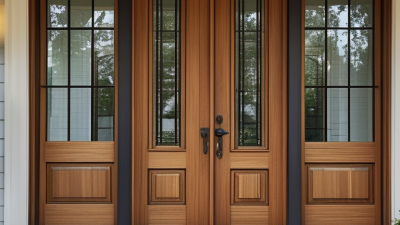
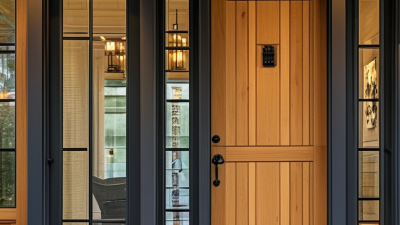
Style matters, too. Raised-panel doors suit traditional homes, while flush doors create a simpler, modern look. Doors with glass panels bring daylight into a dim entryway, but consider privacy and heat gain. A sliding door can save floor space; a hinged door may feel more familiar and seal well when properly fitted. Measure the opening, including trim, and check which way the door will swing. Small details matter.
Tips: Compare insulation ratings, warranties, and maintenance instructions before buying. Feel the door’s weight and inspect its edges if possible. I once focused too much on the finish; the clearance near the entryway mattered more. Check thresholds and weatherstripping, especially where rain or drafts are common.
Evaluate Security, Insulation, Durability, and Maintenance
A secure home door is more than a heavy slab. Check that the frame feels firmly anchored and that the hinges and strike plate are reinforced. A quality deadbolt helps, but it cannot compensate for a weak frame or poor installation. If the door includes glass, consider whether its position and construction suit your entryway. Small details matter.
Insulation affects comfort near the entrance. Look for continuous weatherstripping, a close-fitting threshold, and a core suited to your climate. On a cold day, a draft around the bottom edge can reveal more than a product description. That matters daily. Compare published insulation ratings where available, but remember that installation and gaps can reduce real-world performance. The numbers are not the whole story.
Durability depends on weather exposure, material, and upkeep. A door facing direct sun or driving rain may need more frequent finish checks than a sheltered entry. Inspect seals for cracks, tighten loose hardware, and clean drainage areas around the threshold. Wood may need refinishing; other materials can still scratch or fade. I would not choose by appearance alone, though appearance does matter when you see the door every day. The trade-off is rarely perfect.
Measure Doorways and Check Installation Requirements
Measure the doorway before choosing a home door, using a tape measure and a notepad. Record the width at the top, middle, and bottom, then use the smallest figure. Do the same for height on both sides. Walls and floors are not always level. Small differences matter. Measure the existing door’s thickness, too, if you plan to keep its frame.
Check whether you are measuring the door slab or the rough opening. The rough opening is the space inside the wall framing, and it usually needs extra room for fitting and adjustment. Compare your measurements with the door’s installation instructions before ordering. Do not guess. I would measure twice, even if the doorway looks perfectly square; it is easy to miss a few millimeters.
Installation requirements can affect the choice as much as size. Note the hinge side and swing direction, and check for nearby walls, cabinets, or light switches. Measure the gap beneath the door, especially if new flooring or a thick rug is planned. Look for signs of a sloped floor or a bowed frame. If the opening is uneven, the door may need professional adjustment, and a standard size may not fit neatly. A quick sketch with dimensions can help an installer spot problems before work begins.
Balance Budget, Design, and Long-Term Value
A home’s door affects comfort, security, and daily upkeep, so compare more than the sticker price. Set a budget that includes installation, hardware, weather seals, and any frame repairs. A solid-core door may cost more upfront than a hollow one, but it can feel sturdier and reduce noise between rooms. For exterior doors, consider local weather: a shaded porch and a rain-exposed entrance place different demands on finishes and seals. Ask an installer how often the material needs painting or other care. Small costs add up. Still, the most expensive option is not automatically the best fit.
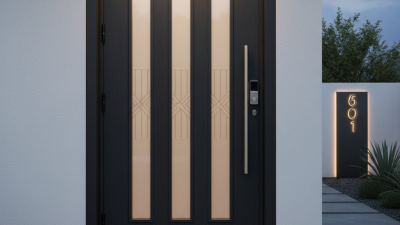
Design matters, but it should work with the home’s proportions and light. A dark door can look striking in a bright entryway, while a glazed panel may help a dim hallway feel more open. Check how the door swings and whether furniture, stairs, or a narrow landing will get in the way. For long-term value, inspect the warranty terms and ask what maintenance could affect coverage. It is easy to focus on color samples and overlook the threshold; that small part can affect drafts and water entry. Choices involve trade-offs, and a modest design may suit the house better than a costly statement piece. Look at samples beside the trim in morning and evening light.



 Automatic Doors, Inc.