A secure entrance is more than a heavy door. It must control access, respond reliably to people approaching, and keep daily traffic moving. In a hospital lobby, a glass entrance may open hundreds of times each day; at a warehouse, controlled access and dependable operation may matter more. The right choice depends on the site, not just the product label.
Industry forecasts offer useful context, but they need careful interpretation. MarketsandMarkets estimated the global automatic door market at $22.9 billion in 2023 and projected $32.4 billion by 2028. That category includes many automatic door types, so it is not a direct measure of demand for security doors alone. Still, the forecast points to a growing market where buyers should compare performance, support, and lifecycle costs—not just appearance.
The stakes are practical. This 2026 guide examines leading automatic security doors by application, access-control compatibility, safety features, durability, and maintenance needs. It also considers how sensors, operators, and emergency-exit requirements shape real-world performance. Details matter. A polished specification sheet cannot prove that a system suits a busy entrance or a harsh environment. Not every site needs the same level of control, and product rankings cannot replace a qualified site assessment. The comparisons ahead are a starting point, not a substitute for checking current specifications and local building requirements.
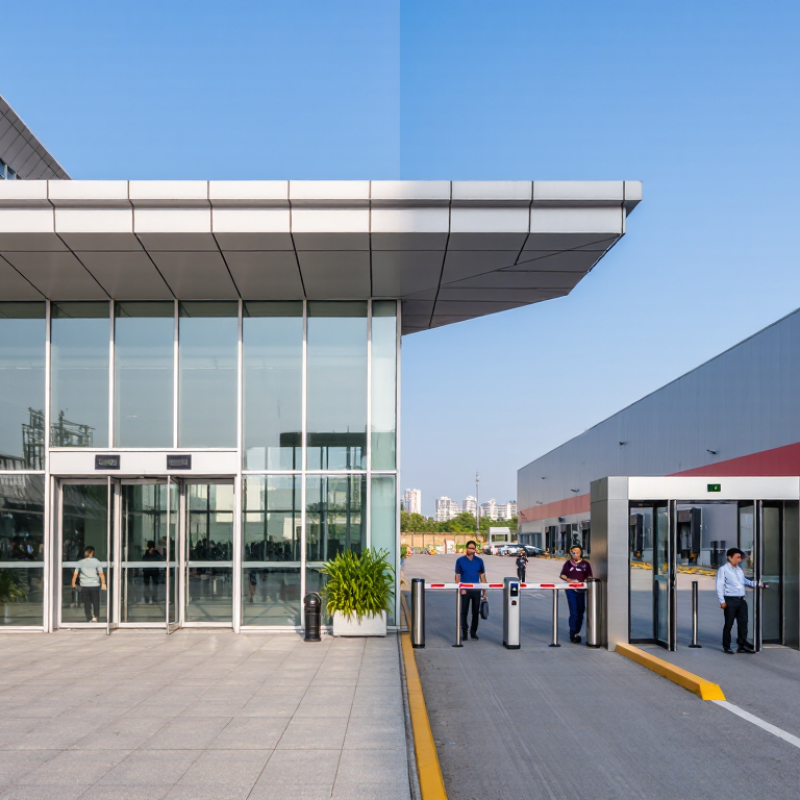
Automatic security doors combine sensors, a controller, a motor, and a locking mechanism. When an authorized credential is presented, the controller checks the signal and releases the lock. Motion or presence sensors then tell the door to open. A geared motor moves the panels along a track, while position sensors report whether they are fully open or closed. The sequence looks simple. It is not.
During closing, safety beams or pressure-sensitive edges can stop or reverse movement when someone or an object enters the doorway. Some systems also connect to building alarms or backup power, but the exact response depends on the installation. A door should not be judged by speed alone; stable movement, clear sensor coverage, and reliable locking matter more.
In real buildings, sensor placement can be awkward around carts, glass reflections, or busy corridors. That detail is easy to miss. Regular inspection helps reveal worn rollers, loose hardware, or delayed response before they become bigger problems.
Tips: Keep sensor areas clear and test the door using the site’s approved procedure. Ask a qualified technician to check safety devices, manual release, and backup operation. Record unusual noises or hesitation; small changes can signal a developing issue. Avoid adjusting controls without proper training.
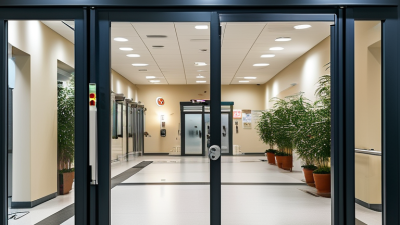
The Main Types of Automatic Security Doors
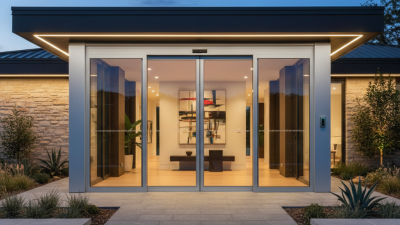
Automatic security doors are not one design with different finishes. Each type manages traffic, space, and access differently. Sliding doors suit busy entrances with limited swing space. Their panels move along a track, making them practical for hospital corridors and office lobbies. Grand View Research valued the global automatic door market at about US$22.2 billion in 2023. That figure covers multiple door applications, not security doors alone, so it should not be read as a security-market estimate.
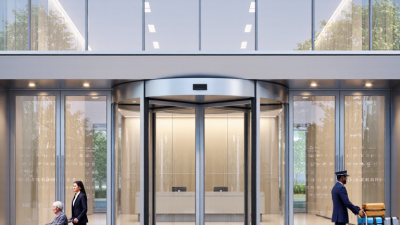
Swing doors use powered arms to open inward or outward. They can work well in narrower passageways, but their moving arc needs clear floor space. Revolving doors limit drafts and help manage continuous foot traffic in large buildings. They are less convenient for carts or users who need extra time. Quiet, but not weak. Interlocking security portals add a controlled entry sequence: one door closes before the next opens. They fit restricted areas, though queues can form when access checks take longer than expected.
High-speed doors are common in industrial settings, where fast movement helps separate work zones and reduce air exchange. They are not automatically the right choice for every secure entrance. The opening mechanism, sensor placement, emergency release, and expected traffic all matter. A glass sliding door may look simple, yet poor sensor coverage can create awkward blind spots. Specifications should be checked against the building’s actual use, not just a product category.
| Door Type | How It Operates | Typical Applications | Security Considerations | Key Planning Considerations |
|---|---|---|---|---|
| Automatic Sliding Door | One or more door panels slide sideways along a track, usually activated by a sensor, access-control device, or both. | Building entrances, healthcare facilities, offices, retail areas, and controlled internal zones. | Can be connected to credential readers and monitored access systems. A standard sliding entrance is not, by itself, a high-security barrier; the glazing, frame, locking hardware, and surrounding construction also matter. | Allow space for the panels to slide. Specify suitable safety sensors and confirm the door’s behavior during power loss and emergency egress. |
| Automatic Swing Door | A hinged panel opens inward or outward using a powered operator, often with a push plate, sensor, or access-control trigger. | Accessible entrances, corridors, offices, and locations where a sliding system is impractical. | Access control can manage authorized entry, while compatible locks can secure the closed door. Security depends on the complete door assembly and correct locking configuration. | Check swing clearance, traffic flow, accessibility requirements, and safe operation around pedestrians. |
| Automatic Revolving Door | Rotating wings move within a circular enclosure, with the entry and exit paths separated by the revolving assembly. | Busy building entrances, hotels, commercial buildings, and sites seeking managed pedestrian flow. | The enclosure can help limit uncontrolled passage and reduce tailgating compared with an open entrance, but it is not a substitute for a dedicated access-control portal where strict one-person-at-a-time entry is required. | Assess peak traffic, accessible passage needs, emergency egress arrangements, and the space required for the enclosure. |
| Automatic Folding Door | Multiple hinged panels fold together as they open, providing a wide opening with less side space than many sliding systems. | Entrances with limited wall space, wider openings, and selected commercial or public-building locations. | May be integrated with access-control and locking systems. The number of panels and joints means the complete assembly should be assessed for the required level of security. | Review the folding path, clear opening width, pedestrian safety sensors, and maintenance access. |
| Automatic High-Speed Roll-Up Door | A flexible or sectional curtain rolls vertically into a compact housing and is commonly activated by a sensor or control system. | Industrial facilities, warehouses, service areas, and openings with frequent vehicle or equipment movement. | Useful for controlling access between operational zones, but many high-speed curtains are designed primarily for traffic flow or environmental separation rather than forced-entry resistance. Confirm the specified security performance. | Consider opening frequency, impact exposure, visibility, safety devices, and whether a separate security-rated barrier is needed. |
| Interlocked Security Portal (Mantrap) | Two doors operate in sequence: one door is intended to remain locked while the other is open, subject to the system’s controls and configured operating mode. | Restricted areas such as data rooms, laboratories, secure offices, and controlled staff entrances. | Can help limit tailgating when paired with suitable credentials, sensors, monitoring, and procedures. Interlocking alone does not guarantee that only one person enters at a time. | Plan for emergency release, accessible use, occupancy detection, power failure behavior, and applicable life-safety requirements. |
Selection note: Security performance varies by design, materials, installation, locking hardware, and access-control configuration. Verify applicable safety, accessibility, fire, and security requirements for the specific site and jurisdiction.
When comparing automatic security doors in 2026, start with the building’s actual needs, not a feature list. A busy lobby may need fast, smooth passage, while a restricted entrance may require stronger access control. Check opening speed, closing force, sensor coverage, and emergency-release behavior. Small details matter. A sensor that misses someone carrying a wide package can create a real bottleneck.
Look for independently documented performance, clear installation requirements, and maintenance guidance. Ask how the door responds to power loss, blocked travel, and repeated daily use. Review the frame, glazing, hinges, and locking components as one system; a strong door leaf cannot compensate for weak surrounding construction. Accessibility also deserves a practical check. Test the clear opening and operating time with users moving at different speeds.
Compare expected service life and the availability of replacement parts, not just the purchase price. A quieter mechanism may suit a clinic, while a weather-exposed entrance needs suitable sealing and corrosion resistance. Specifications can look reassuring on paper. I would still question any ranking that ignores site conditions, installation quality, or maintenance records. A short on-site assessment can reveal awkward approaches, drafts, and sensor blind spots that a brochure will not show.
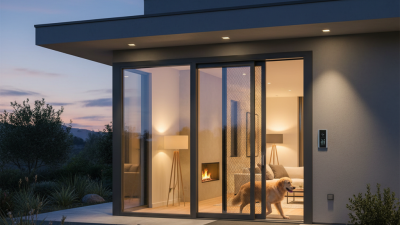
Leading automatic security door options in 2026 include sliding glass systems, heavy-duty sliding doors, and powered swing doors. Each suits a different entrance. Sliding glass models help staff see approaching visitors and keep busy lobbies moving. Reinforced panels and secure locking can add protection, but glass alone is not a security plan. Look closely at the frame, lock, and surrounding wall.
Heavy-duty sliding doors are often better suited to loading areas or entrances with frequent use.
Powered swing doors can work well in tighter spaces, especially when paired with controlled access.
The right choice depends on traffic, available space, and the level of visibility a site needs. It also depends on what happens during a power failure. Check for backup power, manual release, reliable presence sensors, and clear detection zones.
Small details matter. A sensor that misses a person carrying a large box can create a real hazard. Ask installers about cycle testing and maintenance intervals, then observe the doorway during peak traffic.
No option is perfect. A more secure door may slow everyday entry, and that trade-off deserves an honest site review.
How to Choose a Door for Your Building and Security Needs
Choosing an automatic security door starts with how people move through the building and what must stay protected. A sliding door handles steady traffic in a lobby, but its exposed glass may need stronger framing and access controls. A swing door works where space is tight, though its opening arc can interrupt carts or wheelchair users. For a loading entrance, speed and weather sealing may matter more than a glass storefront appearance. Small details matter.
During a site walk, note queues, approach angles, floor mats, and places where someone could pause unseen. Ask how sensors distinguish an entering visitor from someone standing nearby; poor placement can cause repeated opening or missed detection. Security should work with safe exit routes, accessibility, and applicable building and fire requirements. Check backup power behavior, manual operation, service access, and the time needed to replace common parts. One specification rarely fits every entrance. A heavy door may slow access, while a fast one can feel abrupt near children or older visitors. There is no perfect option, and I would revisit the choice after observing real use. At busy sites, a short trial with staff feedback can reveal awkward timing that drawings miss.