How to Choose Door to Door Shipping Worldwide?
Choosing a doors to doors shipping service worldwide involves more than comparing prices. It requires checking the entire delivery journey.
A reliable provider should collect goods from your address and deliver them to the recipient’s door. Ask how it handles pickup scheduling, export documents, customs communication, tracking, and final-mile delivery. Review the quoted weight, package dimensions, fuel fees, remote-area charges, insurance, and possible delivery attempts. A low rate can become expensive when extra charges appear later.
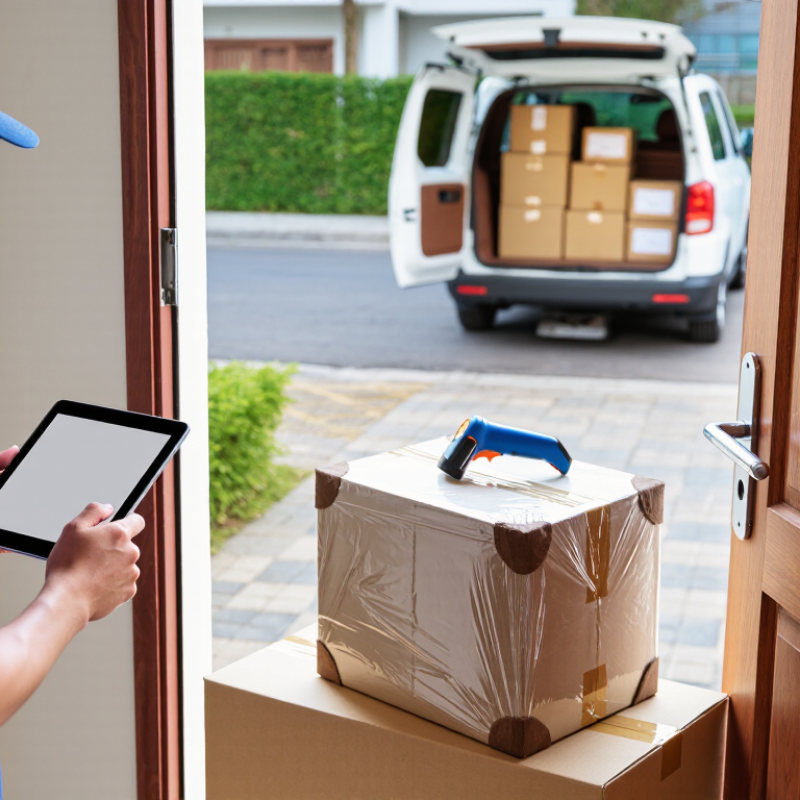
In practice, small details matter. A fragile package may need corner protection and moisture-resistant wrapping. A residential delivery may require a phone number, access instructions, or a timed appointment. Choose a carrier that explains these conditions clearly before payment. Its tracking system should show meaningful updates, not only “in transit.”
Supply chain specialist Martin Christopher wrote, “Supply chains compete, not companies.” His observation fits international doors to doors shipping well. The carrier’s network, partners, and communication standards all affect your customer’s experience. Check independent reviews, service terms, claims procedures, and delivery performance records. Ask whether the provider has experience with your product type and destination region.
Do not trust promises alone.
A careful comparison should balance speed, cost, protection, visibility, and customer support. Transit estimates can change because of weather, inspections, or incomplete information. I have found that even a detailed checklist can miss local delivery habits. That is why requesting a written quotation and confirming every assumption is worthwhile. The best choice is rarely the cheapest option. It is the provider that delivers predictable service, clear communication, and accountable support from pickup to final delivery.
Define Delivery Terms: Incoterms® 2020 Contains 11 Official Rules
Choosing worldwide door-to-door shipping starts with a clear delivery term, not a low freight quote. Incoterms® 2020 contains 11 official rules. They define transport duties, cost allocation, customs responsibilities, and the point where risk changes hands. They do not decide ownership, payment timing, or every insurance detail. A named place matters. “DAP, buyer’s warehouse” is clearer than “door delivery.”
The seven rules for any transport mode are EXW, FCA, CPT, CIP, DAP, DPU, and DDP. The four sea and inland-waterway rules are FAS, FOB, CFR, and CIF.
For door-to-door cargo, FCA, CPT, CIP, DAP, DPU, or DDP usually deserve closer review. EXW can look cheap. Yet the buyer may need to arrange export clearance and the first pickup. DDP appears convenient, but the seller must legally and practically manage destination import procedures, duties, and taxes.
Check the exact named location on the quotation and commercial invoice.
Do not guess. Risk may transfer before the parcel reaches your address. Under DAP, for example, the seller delivers ready for unloading, while the buyer normally handles import clearance. Under DPU, unloading is included at the named destination. Under DDP, import obligations generally sit with the seller.
In practice, unclear wording causes delays at a loading dock, border, or apartment entrance. A small mistake can outweigh a cheaper rate. Review insurance separately, especially for valuable or fragile goods, and confirm who pays storage when customs asks for documents.
Select Mode: Air Carries 35% of Global Trade Value, IATA Reports
When choosing door-to-door shipping worldwide, start with cargo value and delivery urgency. IATA reports that air transport carries about 35% of global trade value. This share reflects valuable, time-sensitive goods rather than total shipment volume. Air freight usually offers faster transit, predictable schedules, and better security controls. It can also cost more, especially for heavy or oversized cartons. Sea or rail transport may suit durable cargo with flexible delivery dates. The right choice depends on weight, dimensions, destination, and risk tolerance.
Tips: Ask for a complete quote. Confirm pickup, customs handling, final delivery, and possible local fees. Measure every package carefully. Air charges may use dimensional weight, not actual weight. Prepare accurate invoices and product descriptions. Small errors can delay clearance. Tracking is useful, but it does not replace communication with the carrier. Keep copies of shipping records and check the delivery address twice.
A practical comparison should include the whole journey, not only the international leg. A low transport rate may hide storage, handling, or remote-area charges. Delivery promises also deserve caution. Weather, airport congestion, and customs inspections can change schedules. I have seen planning fail when a shipment was booked by weight alone. That assumption was too simple. For high-value cargo, consider suitable insurance and secure packaging. For fragile items, add internal protection and clear handling instructions. Test one shipment first, then adjust the process using actual transit time, damage reports, and final cost.
How to Choose Door to Door Shipping Worldwide? – Select Mode: Air Carries 35% of Global Trade Value, IATA Reports
Air freight accounts for approximately 35% of global trade value, while other transport modes account for the remaining 65%. Air shipping is often selected for high-value, time-sensitive, or lightweight goods, whereas alternative modes may be more suitable for larger or less urgent shipments.
Source: International Air Transport Association (IATA), widely cited estimate of air cargo’s share of global trade by value.
Compare Total Landed Cost Using Duties, VAT, Fuel, and Handling Fees
How to Choose Door-to-Door Shipping Worldwide
A low door-to-door quote can become expensive after customs clearance. I compare the product value, shipping charge, insurance, duties, VAT, fuel surcharges, and handling fees. Then I check whether taxes are calculated on goods alone or on goods plus freight. That difference matters. A shipment valued at €800 may face a different tax base after freight and insurance are added.
Before booking, request a written cost breakdown from the carrier or customs broker. Ask who acts as importer and who pays unexpected examination or storage charges. Duty rates depend on product classification, origin, and declared value. VAT may be collected at delivery, even when the freight invoice says “all inclusive.” Fuel fees can change weekly, while remote-area delivery may add a separate handling charge. I also compare delivery terms carefully, because similar wording can hide different responsibilities.
For a realistic comparison, I build a simple spreadsheet for each destination. I enter dimensions, chargeable weight, exchange rate, duty percentage, VAT rate, and possible clearance fees. I test a delayed delivery scenario. One missed document once created a storage bill that exceeded the original freight difference. My estimate was technically neat but operationally weak. That mistake taught me to leave a contingency allowance and confirm payment timing in writing.
Prepare Customs Documents with WCO HS Codes and WTO Data Standards
How to Choose Door to Door Shipping Worldwide?
Reliable door to door shipping begins with accurate customs information. Prepare the commercial invoice, packing list, origin details, quantity, and declared value. Use the World Customs Organization’s HS code structure to classify each product. The first six digits are internationally recognized, but many countries add local digits. Check the destination authority before submitting documents. A wrong code can cause delays, extra charges, or a request for inspection.
WTO data standards encourage consistent trade information across borders. Use clear product names, standard units, readable values, and matching descriptions on every document. “Cotton shirt” is more useful than “clothing.” List two shirts, their material, weight, and actual transaction value. I have seen shipments delayed because the invoice said “samples,” while the packing list showed retail goods. Small inconsistencies matter. Electronic documents also need careful review. A perfect template can still contain a wrong country code.
Tips:
Keep one master product file with HS codes, descriptions, weights, and origins. Compare it with the invoice before pickup. Ask a qualified customs professional when classification feels uncertain. Do not copy an old code without checking current national rules. Door to door convenience depends on clean data, not only fast transport. Mistakes happen, even with experienced teams. Review the package label, invoice, and digital declaration together. This extra minute may prevent several days of questions.
Audit Carrier Safety Against IATA, IMO, and 2023 UNCTAD Shipping Data
How to Choose Door to Door Shipping Worldwide?
A reliable door-to-door service needs more than a low quotation. Audit each carrier’s safety controls across air, sea, road, and warehouse transfers. For air movements, check procedures aligned with IATA cargo standards, including trained staff, package screening, documentation, and emergency response. For ocean transport, review compliance with IMO requirements, the IMDG Code, and SOLAS container-weight declarations. Ask for current certificates, audit dates, insurance details, and records of serious incidents. Vague answers are warning signs.
Use 2023 UNCTAD shipping data as market context, not as a safety certificate. Its figures can help compare port connectivity, vessel capacity, freight pressure, and disruption exposure between regions. A carrier serving a highly connected port may still have weak inland controls. Inspect the final-mile plan carefully. Confirm handoff records, tracking visibility, customs coordination, delivery appointment procedures, and contingency options for congestion or weather. The data is useful, but it does not replace direct verification. That distinction is easy to miss.
Tips: Request a sample shipment file before signing. Check whether the tracking record shows every handoff, not only departure and delivery. Ask who controls the cargo during overnight storage. Confirm that packaging instructions match the cargo type and transport mode. Test customer support with a practical delay question. If the reply is polished but unclear, pause. I would also review the audit twice; one review can overlook weak subcontractor controls. No system is perfect. Reliability comes from evidence, not promises.






 Automatic Doors, Inc.