What Is the Best Type of Bifolding Doors?
Choosing the best type of bifolding doors is rarely a simple matter of appearance. A slim frame may look impressive in a showroom, yet perform poorly if the opening faces strong winds or heavy rain. The right choice depends on your home, climate, budget, and daily habits.
In real installation projects, aluminium bifolding doors often stand out for their strength, narrow sightlines, and low maintenance. They can support larger glass panels and create a wide, uninterrupted opening. However, quality varies between manufacturers. Weak rollers, poor seals, or inaccurate fitting can cause drafts, stiffness, and water problems.
uPVC doors usually cost less and provide dependable insulation. Their wider frames may reduce the glass area. Timber doors offer warmth and character, but they need regular care, especially in damp conditions. Each material has a weakness.
The glazing also deserves careful attention. Double glazing may suit many homes, while high-performance triple glazing can improve comfort in colder regions. Yet heavier glass demands stronger hardware and precise installation. More is not always better.
Configuration matters too. A three-panel system may suit a compact garden room, while a larger opening could require several panels and a traffic door. Think about furniture, curtains, drainage, and where the panels stack. Small details affect everyday use.
This guide compares the main types of bifolding doors through practical performance, not marketing language. It considers security, thermal efficiency, weather resistance, maintenance, and long-term value. The best option may not be the most expensive one. Careful measurements and an experienced installer often matter just as much as the door material.
What Are Bifolding Doors and How Do They Work?
What Is the Best Type of Bifolding Doors?
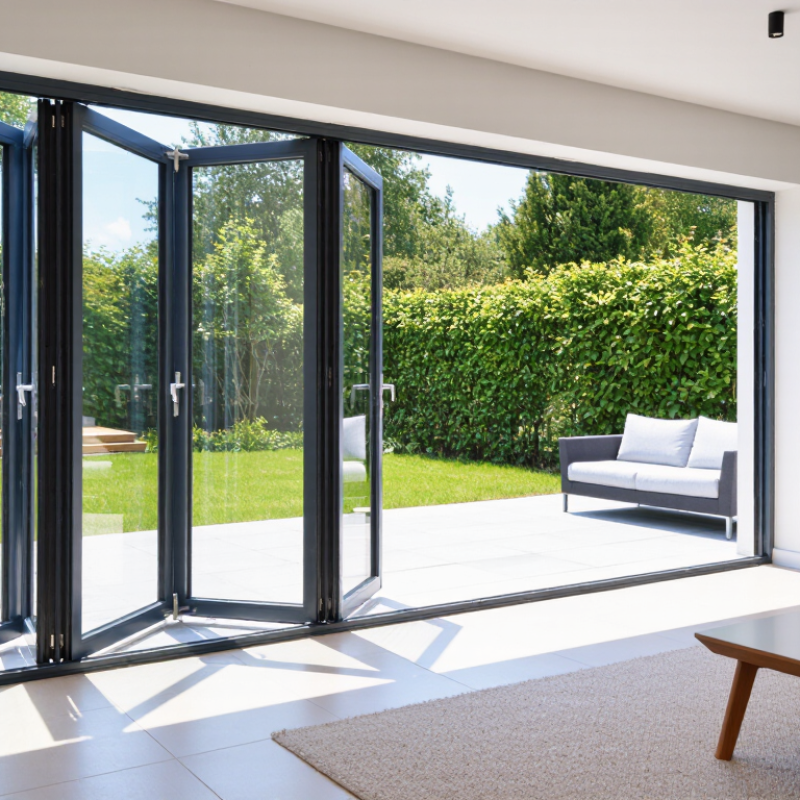
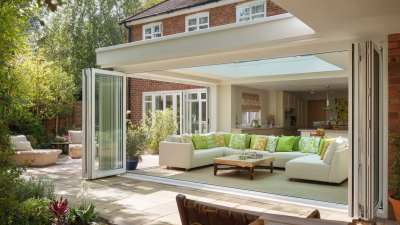
Bifolding doors are made from hinged panels that fold and slide along a track. The movement is simple. Each panel connects through hinges, while carriers guide the system across the threshold. When opened, the leaves stack neatly beside the frame, creating a wide connection with the garden or balcony. When closed, the seals, glazing, and locking points help protect the room from drafts and rain. The best type depends on opening size, climate, maintenance expectations, and frame material. Thermally broken aluminium usually offers slim sightlines and strong structural performance. Timber feels warmer and can be repaired, but it needs regular finishing. Composite options may balance both qualities.
Glass performance deserves careful attention. The U.S. Department of Energy reports that windows can cause 25–30% of residential heating and cooling energy use.
Bifolding doors contain substantial glazing, so low-emissivity glass and suitable solar-control coatings can reduce unwanted heat transfer. The International Energy Agency’s 2023 Global Status Report states that buildings consume about 30% of global final energy. Small design decisions therefore matter. I would not assume more panels create a better door. More joints can mean more adjustment points and potential air leakage. Installation is often the weak link. A level sill, accurate drainage, correctly fitted seals, and smooth rollers influence daily comfort more than brochure language.
Details decide comfort. A professional survey should check wind exposure, threshold height, panel weight, and the surrounding wall before anyone chooses a configuration.
What Are the Main Types of Bifolding Doors?
When people ask, “What is the best type of bifolding door?”, the answer depends on the building, climate, and daily use. The main types are aluminium, timber, and uPVC bifolding doors. Each material behaves differently.
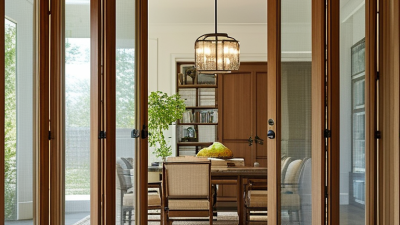
Aluminium doors offer slim frames, strong profiles, and large glass panels. They suit modern extensions and rooms needing wide openings. Timber doors provide natural warmth and can complement traditional homes. However, they need regular finishing to resist moisture. uPVC doors are often practical and economical, with good insulation and simple maintenance. Their frames can look heavier, which some homeowners dislike.
Bifolding doors also differ by opening design. Top-hung systems usually move smoothly because the upper track carries most of the weight. Bottom-rolling systems can help where the structure above cannot support a heavy frame. Internal bifolding doors divide rooms, while external systems connect living spaces with gardens or balconies. Threshold choices matter too. A low threshold improves access, but careful drainage becomes essential.
Check the door’s thermal performance, glass specification, weather seals, and security hardware before choosing. A showroom sample may feel perfect, yet installation quality can change everything. I have seen small alignment errors cause stiff movement and uneven gaps. That detail is easy to underestimate. The best choice is not always the widest door. A reliable survey, accurate measurements, and suitable maintenance plan usually matter more than appearance alone.
How Do Bifolding Door Materials Compare?
What Is the Best Type of Bifolding Doors?
How Do Bifolding Door Materials Compare?
Material affects thermal comfort, maintenance, security, and the feel of a room. Aluminium creates slim sightlines and strong, wide panels. Its powder-coated finish usually needs little attention. However, metal frames can transfer heat without effective thermal breaks. The U.S. Department of Energy reports that windows can account for 25–30% of household heating and cooling energy use. Bifold doors deserve similar scrutiny, especially across large glazed openings.
uPVC generally offers strong insulation at a lower purchase price. Its thicker frames can reduce the glass area, though. Timber provides warmth, repairability, and a natural appearance. It needs regular coating in exposed locations, and neglected surfaces can absorb moisture. Composite frames combine materials, but their performance depends heavily on construction quality and installation.
A 2024 Global Status Report for Buildings and Construction identifies building operations as responsible for about 32% of global energy demand. Door specifications therefore matter beyond appearance.
Look closely at the whole system. Ask for tested U-values, airtightness results, glazing details, and threshold performance. A low U-value is useful, but it does not guarantee a comfortable doorway. Poor fitting can create draughts, condensation, and difficult movement. Installation matters more than many brochures admit. Material choice also depends on climate, cleaning habits, opening size, and budget. Aluminium may be the practical choice for a coastal extension, while timber suits a carefully maintained renovation. Still, these are not fixed rules. Even experienced decisions deserve a second look.
Which Features Determine Bifolding Door Performance?
The best bifolding door is not defined by appearance alone. Its performance depends on several measurable features. The U.S. Department of Energy reports that windows can account for 25–30% of household heating and cooling energy use. Large glazed openings deserve careful specification.
Thermal performance starts with the frame and glass. A low U-factor reduces heat transfer, while a suitable solar heat gain coefficient limits unwanted summer heat. The National Fenestration Rating Council evaluates these values, alongside visible transmittance and air leakage. Thermally broken frames, insulated glazing, warm-edge spacers, and effective gaskets can improve comfort near the threshold. Small details matter.
Air and water resistance are equally important. Industry testing under the AAMA/WDMA/CSA 101/I.S.2/A440 standard examines water penetration, wind pressure, and operating force. A door may have excellent laboratory figures but perform poorly after incorrect installation. That uncomfortable truth is often overlooked. Drainage paths must remain clear, and the sill should connect properly with the building’s waterproofing layer.
Panel weight also affects daily performance. Robust rollers and accurately aligned hinges help prevent dragging, gaps, and difficult closing. Yet more hardware is not automatically better. It can add weight and maintenance demands. In practice, the right choice balances thermal ratings, weather testing, glass specification, hardware durability, and installation quality. Product data should be checked against the project’s climate, exposure, and opening size, not just a showroom sample.
How Can You Choose the Best Bifolding Doors for Your Home?
Choosing the best bifolding doors starts with your home, not the door catalogue. Measure the opening, wall structure, floor level, and daily traffic. A south-facing glass wall may need a lower solar heat gain coefficient, while a shaded room can benefit from higher solar gain. The U.S. Department of Energy reports that windows account for about 25–30% of residential heating and cooling energy use. Your door specification matters.
Glass performance deserves close attention. Look for tested U-values, solar heat gain coefficient, air leakage, and water resistance. The National Fenestration Rating Council explains that U-factor measures heat transfer, while lower values generally indicate better insulation. Do not judge quality by frame appearance alone. A slim frame can still perform poorly if seals, glass, or installation are weak.
Think about movement, too. Will furniture block the panels? Can the first leaf open as a daily entrance? A three-metre opening may need several panels, but more panels create more hinges and seals. Site checks often reveal awkward handles, uneven thresholds, or nowhere to stack the leaves. I have found that the “widest opening” is not always the most useful choice. Ask for independently tested results, installation details, drainage information, and maintenance requirements. A beautiful door that leaks during heavy rain is still a poor investment.
 Automatic Doors, Inc.