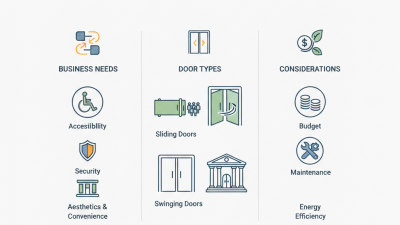
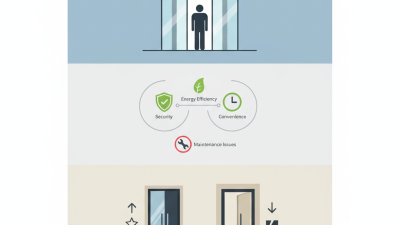
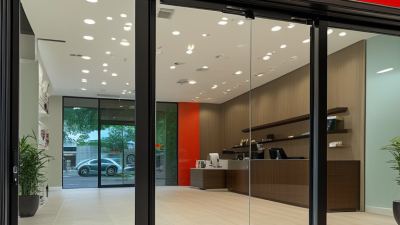
Choosing automatic doors for global projects in 2026 requires more than comparing opening speeds, prices, or polished product images. The right system must suit the building, climate, traffic pattern, and local access expectations. A hospital entrance faces wheelchairs, stretchers, wet floors, and constant movement. An airport needs fast recovery, accurate sensing, and dependable operation during peak hours. A retail entrance may prioritize comfort, energy control, and quiet performance.
Automatic-door safety consultant David M. Pugh offers a practical reminder: “A door should respond to people predictably, every time.” That principle remains important across borders. Project teams should examine sensor coverage, emergency behavior, manual release, maintenance access, and system diagnostics. They should also verify regional standards with qualified engineers and approved installers. One certificate rarely proves suitability everywhere.
Climate adds another layer. Dust can affect sensors. Coastal air can accelerate corrosion. Cold regions may require stronger seals and vestibules. Hot climates can increase indoor energy loss when doors remain open. These details often decide whether automatic doors perform well after installation.
The strongest specification includes testing, staff training, spare parts, and a realistic service plan. Cheap equipment may become expensive when a replacement board takes weeks to arrive. That risk is easy to underestimate. Perfect selection is impossible. However, documented decisions make weaknesses visible. In 2026, successful global projects will choose automatic doors as complete operating systems, not isolated hardware. Reliability begins before the first door is ordered.
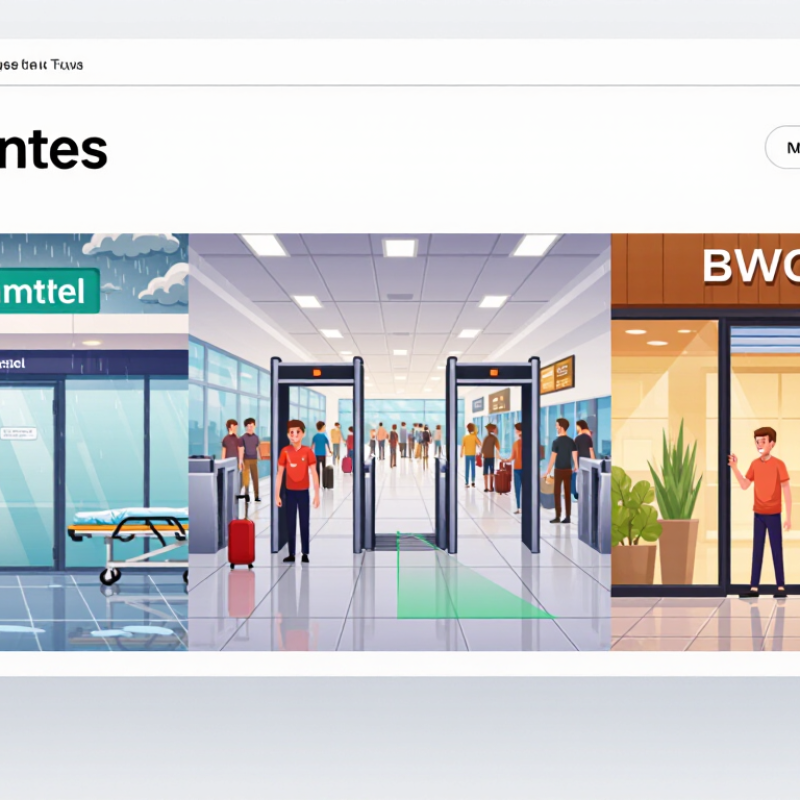
In 2026, choosing automatic doors for a global project starts with the doorway, not the catalog. A hospital entrance needs hands-free access, while a warehouse needs controlled pedestrian flow. Record traffic peaks, trolley dimensions, wind exposure, power quality, and cleaning routines on site. Small omissions become expensive.
The 2022 WHO Global Report on Health Equity for Persons with Disabilities estimates that 1.3 billion people experience significant disability. This figure makes accessible entry design a project requirement, not a decorative feature.
Translate requirements into measurable criteria: clear opening, activation distance, closing speed, safety sensors, emergency release, and cycle endurance. For clinics, low-force operation and visual status signals can reduce contact and confusion. For airports and retail sites, queue modelling matters more than maximum opening speed.
The 2023 Global Status Report for Buildings and Construction states that buildings consume about 30% of global final energy and produce 26% of energy-related emissions. Tight closing control and suitable vestibules can therefore support energy targets.
Local conditions can overturn a good specification. A coastal project may need corrosion-resistant hardware, while a dusty site may require protected sensors. Use EN 16005 or ANSI standards as references, then confirm local accessibility and fire requirements with qualified professionals. Do not assume one setting fits every country.
I have seen projects overvalue appearance and undervalue maintenance access. That mistake is avoidable, although not always. Require test records, spare-part plans, installer training, and commissioning trials during peak operating hours.
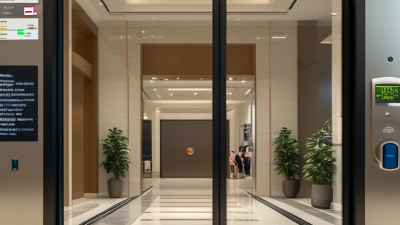
Choosing automatic doors for global projects in 2026 starts with the opening mechanism.
Sliding doors suit airports, hospitals, and shopping entrances with steady two-way traffic. They need a clear side pocket, which can be difficult in narrow renovations. Swing doors work better in corridors and fire-separated areas. They require less wall space, but their moving leaves need careful safety clearance. Revolving doors reduce uncontrolled air exchange at busy entrances. They are less suitable for stretchers, shopping carts, or urgent evacuation routes.
Telescopic sliding doors help when the opening is wide but the wall pocket is short. Folding doors fit compact retail fronts, although their hinges can demand more maintenance. Specify low-energy movement for offices and assisted-living facilities. Full-power operation may suit logistics entrances, but presence sensors and monitored safety edges are essential. EN 16005 provides a useful European safety reference, while local accessibility and emergency codes still control the final design. One standard rarely fits every country.
Energy performance also deserves attention. The International Energy Agency reports that buildings consume about 30% of global energy and create roughly 26% of energy-related emissions. Door selection affects infiltration, especially in hot, humid, or dusty climates. Market forecasts differ, but Fortune Business Insights estimates the automatic door sector could grow from about USD 5 billion in 2023 to more than USD 7 billion by 2032. Those figures indicate demand, not guaranteed savings. In practice, a poorly adjusted sensor can waste energy and frustrate users. A site trial is often wiser than trusting a catalogue.
Automatic doors should be selected around people, not only opening size or traffic volume. The World Health Organization estimates that 1.3 billion people experience significant disability worldwide. That figure makes accessibility a core design requirement. Specify a clear opening suitable for wheelchairs, low-resistance thresholds, and sensors that detect children and mobility aids. Activation should work from different approach angles. A visible door edge helps users with limited vision. Sometimes, designers overlook lighting and floor contrast.
Safety requirements change by region. EN 16005 governs power-operated pedestrian doors across much of Europe, while ANSI/BHMA A156.10 is widely referenced in the United States. ISO 21542 provides broader accessibility guidance for the built environment. These standards do not replace local fire, electrical, or building rules. Check them together. A documented risk assessment should cover crushing zones, emergency release, backup power, sensor failure, and manual operation. Commissioning records matter.
Population structure also affects long-term planning. The United Nations World Social Report 2023 projects 1.6 billion people aged 65 or older by 2050. Hospitals, airports, and public buildings will face more users with slower movement and reduced balance. Door timing must allow real passage, not ideal passage. Test with luggage, walking frames, and wet footwear.
The first setting may be wrong. Review it after opening day. Availability of trained local technicians is another compliance risk, often underestimated in global tenders.
How to Choose Automatic Doors for Global Projects in 2026?
Energy efficiency should be measured at the entrance, not only in a laboratory. A door that opens too slowly may waste heating or cooling energy. A door that closes too quickly may create safety risks. Choose adjustable opening speeds, reliable seals, and sensors that detect people, carts, and wheelchairs accurately. Air curtains can help in hot, cold, or dusty regions, but they need proper sizing.
Climate resistance requires local thinking. Coastal projects need corrosion-resistant materials and sealed electrical housings. Cold regions require heaters, flexible seals, and stable performance below freezing. In humid areas, drainage and moisture protection matter. Ask for test reports, maintenance records, and installation details. Do not rely on attractive brochures alone.
Smart control can connect doors with access systems, building management platforms, and emergency functions. Useful data includes opening cycles, faults, and peak traffic periods. Remote alerts may reduce service delays across different countries. However, connected devices also create cybersecurity and privacy concerns. Use role-based access and regular software updates. From project reviews, simple controls often outperform complicated systems when local technicians lack training. That lesson is easy to ignore. Energy savings can also be overstated when traffic patterns are guessed rather than measured. A small pilot installation may reveal uncomfortable but valuable facts.
Energy Efficiency, Climate Resistance, and Smart Control Options
The comparison uses a transparent engineering scenario: 100 opening cycles per day, 10 seconds of motor operation per cycle, a 250 W motor while moving, and 365 operating days per year. Motion energy is therefore approximately 25.4 kWh per year. The remaining demand comes from average controller standby power. For global projects, combine low standby consumption with weather-sealed construction, corrosion-resistant materials, wind-load suitability, and smart schedules or sensors that reduce unnecessary operation.
Supplier evaluation should begin with evidence, not brochures. Ask for test reports against EN 16005 and ANSI/BHMA A156.10. Request references from projects with similar traffic, weather, and security needs. Check installer qualifications, commissioning procedures, service coverage, and spare-parts lead times. ISO 9001 certification supports process control, but it cannot prove reliable field performance. Measure real traffic. The lowest quotation may exclude wiring, drainage, or final adjustments.
Installation planning Installation planning must start before the doorway is manufactured. Confirm opening dimensions, floor levels, wind exposure, power quality, escape routes, and access-control interfaces. A perfect specification can still fail when the floor is uneven. The IEA’s 2023 Global Status Report for Buildings and Construction reports that buildings consume about 30% of global final energy and create roughly 26% of energy-related emissions. Automatic doors cannot solve building inefficiency alone, but proper sealing, standby settings, and commissioning can limit unnecessary air exchange. Coordinate electrical, fire-safety, and security teams early. Test manual operation during power loss.
Tips: Build a ten-year lifecycle-cost model. Include installation, inspections, batteries, sensors, energy, training, and downtime. Require written response times and local technician coverage. Keep critical sensors onsite in remote locations. Digital maintenance logs improve accountability, although they are not a substitute for physical inspections. Pilot one entrance for several weeks before full deployment. Do not guess. Real traffic data often changes the final specification.