Top Access Doors in 2025 What You Need to Know for Your Building Projects
In the ever-evolving landscape of construction and building management, the significance of access doors cannot be overstated. As we approach 2025, understanding the advancements and innovations in access doors is essential for architects, builders, and facility managers alike. These essential components not only provide crucial entry points for maintenance and inspections but also contribute to the overall efficiency and safety of a building. The integration of modern design and technology into access door solutions is transforming how they are utilized in both commercial and residential projects.
As we delve into the evolving world of access doors, it is important to recognize the key factors influencing their development and selection. From improved energy efficiency to enhanced security features, the advancement of materials and mechanisms is meeting the increasing demands of contemporary building needs. Furthermore, sustainable practices are beginning to play a significant role in the selection of access doors, ensuring that they align with eco-friendly building standards while providing optimal functionality. In this article, we will explore the top access doors to consider for your projects and the essential considerations that will guide you in making informed decisions as you prepare for the future of construction in 2025.

Top Access Doors: Key Trends for 2025 in Building Construction
As we approach 2025, the landscape of access doors in building construction is expected to evolve significantly, driven by a combination of technological advancements and sustainability trends. One of the most notable shifts is the increased focus on energy efficiency and thermal performance. According to a recent report from the International Energy Agency (IEA), buildings account for nearly 40% of global energy-related carbon emissions. In response to this, architects and builders are opting for access doors equipped with innovative insulation materials and seals that enhance energy efficiency while minimizing heat loss.
Additionally, the integration of smart technology is poised to transform access door functionality. The rise of the Internet of Things (IoT) in building management systems allows for seamless control and monitoring of access points, enhancing security and convenience. A report by MarketsandMarkets projects that the smart building market will reach $156 billion by 2025, illustrating the growing demand for intelligent access solutions. Features such as automated locking mechanisms and integration with security systems are becoming standard, making access doors not just entry points but vital components in the overall building ecosystem.
Moreover, the emphasis on sustainability is leading to the increased use of eco-friendly materials in the production of access doors. Research from the World Green Building Council indicates that the green building market continues to grow, with over 50% of new construction projected to be green by 2025. This shift in material usage not only aligns with industry standards but also appeals to increasingly environmentally-conscious clients, making sustainable design a core consideration in future building projects.
Top Access Doors in 2025: Key Trends for Building Construction
| Access Door Type |
Material |
Fire Rating |
Energy Efficiency |
Cost Range ($) |
| Insulated Access Door |
Steel |
1-2 hours |
High |
150 - 300 |
| Fire-Rated Access Door |
Aluminum |
3-4 hours |
Moderate |
200 - 500 |
| Security Access Door |
Reinforced Steel |
Non-rated |
Low |
250 - 600 |
| Plastic Access Door |
PVC |
Non-rated |
High |
100 - 200 |
| Acoustic Access Door |
Steel |
Non-rated |
Very High |
300 - 700 |
Market Growth Projections for Access Doors in the Construction Industry
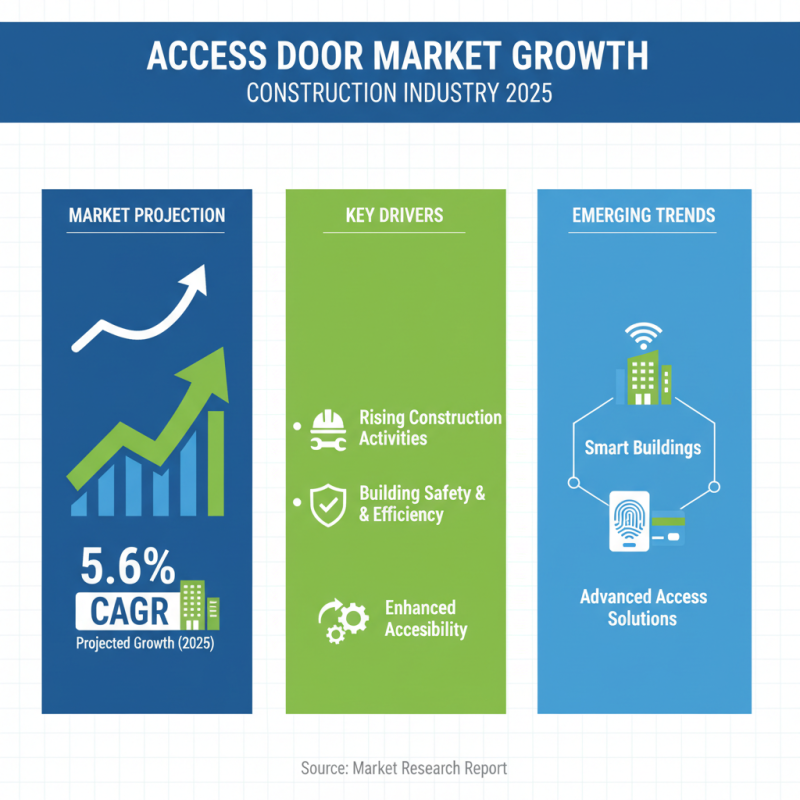
The access door market in the construction industry is poised for significant growth by 2025, driven by rising construction activities and the increasing emphasis on building safety and efficiency. According to a recent market research report, the global access door market is projected to expand at a compound annual growth rate (CAGR) of approximately 5.6% over the next few years. This growth can be attributed to the rising demand for enhanced accessibility in commercial buildings and the ongoing trend towards smart buildings integrating advanced access solutions.
Moreover, the increasing awareness of maintenance and facility management is pushing builders to incorporate high-quality access doors into their projects. Industry insights suggest that sectors such as healthcare, education, and hospitality are especially focused on improving their infrastructure, thus fostering the demand for access doors that can provide quick and safe entry to critical areas. Additionally, advancements in materials and design technology are leading to more versatile and durable options, making access doors an essential component in modern construction planning. This shift not only enhances the building's lifecycle but also supports regulatory compliance, which is becoming more stringent as safety standards evolve.
Innovative Materials Shaping Access Door Designs in 2025
As we move towards 2025, the landscape of access door design is undergoing a significant transformation, driven by innovative materials that enhance functionality, aesthetics, and sustainability. One of the most notable trends is the increased use of lightweight composite materials, which not only reduce the overall weight of the doors but also provide enhanced insulation and durability. These materials are engineered to withstand harsh environments, making them ideal for various building applications, whether commercial or residential.
In addition to composites, advancements in smart materials are revolutionizing access door designs. These include self-healing polymers and energy-efficient materials that adapt to temperature changes, ensuring optimal performance. Moreover, the integration of smart technology, such as sensors and automated locking mechanisms, allows for improved security and ease of use. As architects and builders seek to meet contemporary needs, the emphasis on sustainable practices drives the selection of recyclable and eco-friendly materials, paving the way for a more environmentally conscious approach in building projects. The convergence of these innovative materials not only enhances the functionality of access doors but also aligns with the broader goals of sustainability and efficiency in modern architecture.
Access Door Material Trends in 2025
Regulatory Standards Impacting Access Door Features and Safety
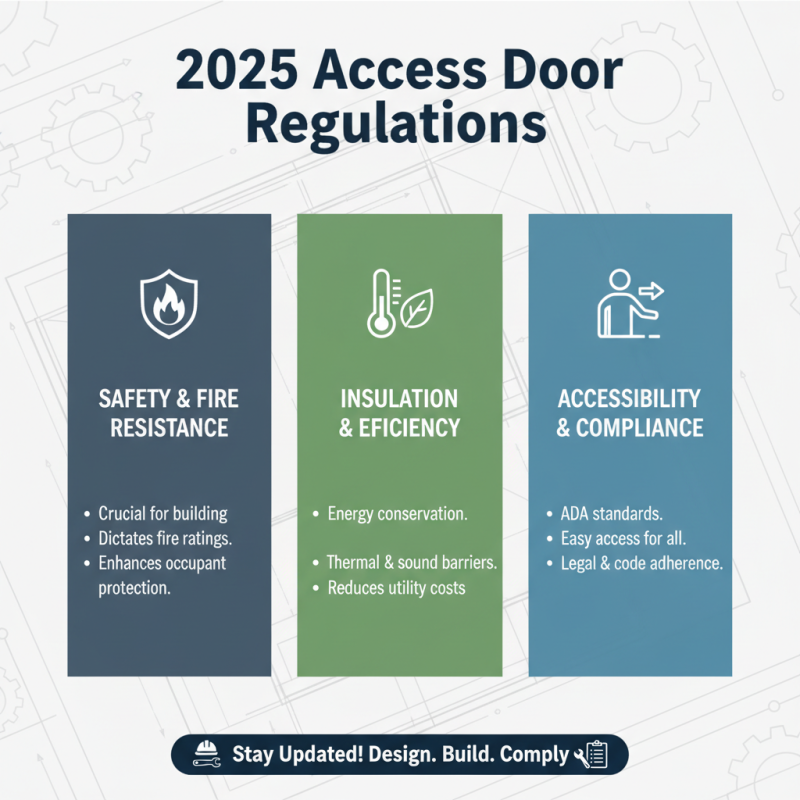
In 2025, understanding regulatory standards for access doors is crucial for ensuring safety and compliance in building projects. Regulations often dictate the features of access doors, including their fire resistance, insulation properties, and accessibility requirements. Adhering to these standards not only enhances safety but also influences overall design and functionality. Designers and builders must stay updated on changes in codes that affect the materials and installation processes of access doors.
Tips for selecting the right access doors include assessing the specific needs of your building. Consider factors such as location, use case, and environmental conditions when choosing door materials and features. Additionally, ensure that the doors meet the necessary fire safety standards and are accessible to all individuals, including those with disabilities. Proper installation is also key to meeting regulatory requirements; employing qualified professionals can help avoid costly misunderstandings with compliance.
As regulations evolve, it’s important to prioritize ongoing education and training for all stakeholders involved in building projects. Regularly reviewing industry guidelines and attending relevant workshops can provide valuable insight into how these regulations impact access door features. By staying informed, you can ensure that your building projects remain compliant and safe for everyone.
Sustainability Practices in Access Door Manufacturing and Selection
In the rapidly evolving landscape of building construction, sustainability has emerged as a crucial focus in every aspect of design and manufacturing, including access doors. By prioritizing eco-friendly practices, manufacturers can significantly reduce their carbon footprint and enhance the overall energy efficiency of buildings. One key practice involves sourcing materials responsibly, opting for recycled or sustainably harvested materials that lessen environmental impact without compromising durability or performance.
Additionally, the adoption of advanced manufacturing techniques plays a vital role in promoting sustainability in access door production. These techniques often utilize energy-efficient processes and technologies that minimize waste and emissions. Furthermore, manufacturers are increasingly designing access doors that are modular and adaptable, allowing for easier upgrades and repairs. This enhances the longevity of the product, reducing the need for replacements and thereby contributing to a more circular economy in building construction. As we move into 2025, understanding these sustainability practices will not only benefit the environment but also provide cost savings and compliance benefits for building projects.

 Automatic Doors, Inc.