What is a Swing Door and How Does It Function in Different Settings

In modern architecture, swing doors play a crucial role in various settings. These doors, commonly used in commercial and residential buildings, offer ease of access and aesthetic appeal. According to a recent report by the Architectural Door and Hardware Association, swing doors account for over 70% of all door installations in North America alone.

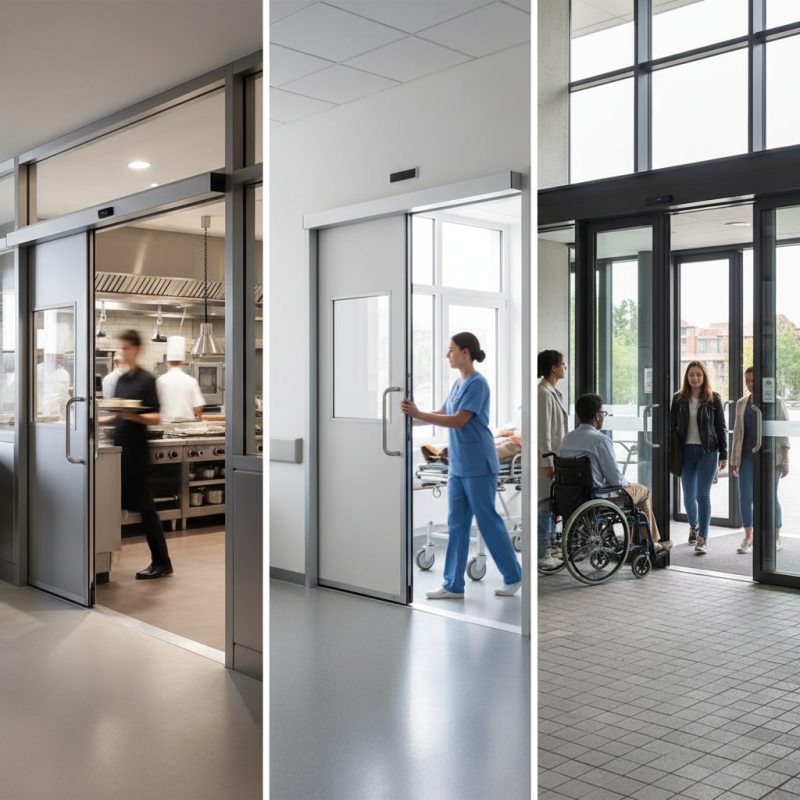
"Swing doors are essential for seamless traffic flow," states Mark Leonard, a seasoned expert in the door industry. The functionality of swing doors can vary dramatically based on their environment. For instance, in restaurants, they facilitate quick entries and exits. In hospitals, they can be designed to maintain sterile conditions while allowing swift movement.

However, not all swing door designs meet the needs of their settings. Some may lack durability, leading to early replacement. Others might not comply with accessibility standards, which is a significant concern in public spaces. Such limitations underscore the need for careful consideration when selecting swing doors. Their design and functionality is a reflection of thoughtful planning and an understanding of specific user needs.

What is a Swing Door and How Does It Function in Different Settings

What is a Swing Door? Definition and Key Features

What is a Swing Door and How Does It Function in Different Settings

A swing door is a versatile type of door that pivots on its hinges. It opens in both directions, providing ease of access. Commonly found in busy areas, swing doors are ideal for restaurants, hospitals, and schools. They allow for smooth movement when hands are full. This feature makes them popular in high-traffic environments.

Key features of swing doors include their simple design and ease of installation. They can accommodate various materials, from wood to glass. This flexibility makes them suitable for different aesthetics. However, swing doors can also pose challenges. In tight spaces, they may obstruct movement or create hazards. Regular maintenance is essential to ensure functionality. Understanding these aspects helps in choosing the right type for each setting.


Mechanism of Operation: How Swing Doors Function

Swing doors are a versatile solution for various environments. Their unique design allows them to open in both directions, promoting smooth traffic flow. This feature is particularly useful in busy settings like restaurants and hospitals. The mechanism uses hinges mounted on the frame, allowing the door to pivot freely.

When the door is pushed, it swings open, making entry easy. However, this design can sometimes cause distractions if not managed well. In crowded places, a sudden swing might surprise a passerby. Additionally, in windy conditions, these doors can be difficult to control. Proper installation and regular maintenance are essential to prevent issues.

In office settings, swing doors can encourage open communication. Employees can move freely without staying in one place. Yet, there can also be challenges. Noise levels might increase as doors swing back and forth. Adjusting the door's tension can mitigate this. Finding a balance between functionality and comfort is crucial.

Common Materials Used in Swing Door Construction

Swing doors are versatile and functional in various settings, from residential homes to commercial spaces. They are often made with different materials that impact their durability and aesthetics. Common materials include wood, metal, glass, and even composite materials. Each has its unique characteristics and applications.

Wood is traditionally used for its natural beauty. It can provide warmth and a classic look. However, wood doors require regular maintenance to prevent warping or damage. Metal doors, on the other hand, offer robust security. They can resist harsh weather but might not have the same visual appeal as wood.

Glass is a modern choice, creating an open and airy feel. Yet, glass can be fragile and may not suit high-traffic areas. Composite materials combine the benefits of wood and metal, providing durability without sacrificing design. Choose wisely based on function and style.

**Tip:** Consider the foot traffic in your space when selecting a door material. Heavy usage areas need sturdier options. Weather conditions should also guide your decision. For instance, outdoor settings may benefit from weather-resistant materials.

**Tip:** Don’t forget to think about the door’s finish. A good finish can enhance the material’s longevity. It also adds to the overall aesthetic appeal of your space.

What is a Swing Door and How Does It Function in Different Settings - Common Materials Used in Swing Door Construction

Material Description Common Applications Advantages Disadvantages
Wood Natural material offering aesthetics and warmth. Residential homes, offices. Aesthetic appeal, insulation properties. Prone to warping and requires maintenance.
Steel Durable and strong material suitable for high-traffic areas. Industrial settings, commercial buildings. High strength, low maintenance. Can be heavy and less aesthetic without finishing.
Aluminum Lightweight metal resistant to rust and corrosion. Schools, hospitals, and storefronts. Lightweight, low maintenance, recyclable. Less strength compared to steel.
Glass Transparent material providing visibility and openness. Retail environments, modern offices. Aesthetic appeal, allows natural light. Fragile and requires careful handling.
Fiberglass Synthetic material that is lightweight and resistant to various environmental conditions. Utility buildings, outdoor settings. Resistant to moisture, lightweight. Less aesthetic options compared to wood or glass.

Applications of Swing Doors in Residential Settings

Swing doors are versatile fixtures in residential settings, offering a unique blend of functionality and aesthetic appeal. These doors operate on a pivot, allowing them to swing open in both directions. This makes them ideal for spaces like kitchens or dining areas, where easy access is essential. They are often chosen for their convenience, especially in homes with multiple occupants. However, one must consider the space required for their full operation.

In smaller homes, a swing door may take up more space than intended, which can lead to inconvenience. Often, families may find themselves bumping into the door when it's open. It can disrupt the flow of a busy household. Despite these challenges, swing doors can enhance the home's openness and connectivity. They can create a welcoming atmosphere. For example, using a swing door between the kitchen and living area can give a sense of unity.

Moreover, the design of the swing door can significantly impact the room's overall aesthetic. Choosing the right material and finish is crucial. Wood offers warmth and character, while glass invites light and creates an airy feel. Yet, personal tastes can vary widely, sometimes leading to regret after installation. Homeowners should carefully consider their options and visualize the door's role in their everyday life.

Utilizing Swing Doors in Commercial and Industrial Environments

Swing doors are commonly used in various commercial and industrial settings. These doors offer easy access for both people and equipment. In busy environments like hospitals or restaurants, they facilitate smooth traffic flow. A study from the American Institute of Architects noted that swing doors can reduce congestion by 30% in high-traffic areas.

In warehouses, swing doors allow forklifts to move freely. Their design supports quick entry and exit, enhancing productivity. According to the Material Handling Industry, nearly 50% of operational delays occur at doorways. Swing doors can help mitigate this issue, reducing wait times significantly. However, proper maintenance is critical. A poorly functioning swing door can cause accidents and downtime.

Despite their benefits, swing doors have limitations. They might require more physical effort to operate. In some scenarios, automatic doors could be more suitable. Not every environment is ideal for swing doors. Therefore, assessing each setting’s needs is essential before installation. Balancing convenience and safety presents a constant challenge.