Top Sliding Doors Designs and Trends for 2025 to Enhance Your Home Decor
In the ever-evolving landscape of home decor, sliding doors are poised to take center stage in 2025, offering not only functionality but also a unique aesthetic appeal. These versatile architectural elements have long been appreciated for their space-saving attributes and ability to create seamless transitions between indoor and outdoor living areas. As homeowners increasingly seek to blend style with practicality, the design trends surrounding sliding doors are incorporating innovative materials, sleek lines, and bold colors that redefine traditional spaces.
As we look ahead, the latest trends highlight a growing emphasis on sustainability and smart technology. Sliding doors crafted from eco-friendly materials are set to gain popularity, responding to the rising consumer demand for environmentally conscious home solutions. Furthermore, advancements in automation technology are making sliding doors more user-friendly, enabling homeowners to control their doors through smart home systems, enhancing both convenience and security.
Ultimately, sliding doors are not just about functionality; they are a statement piece in modern home design. By embracing the latest trends, homeowners can transform their living spaces into sophisticated, welcoming environments that reflect their personal style while keeping pace with contemporary design ideals. As we explore the top sliding door designs and trends for 2025, it becomes clear that these architectural features will continue to enhance home decor in innovative and exciting ways.
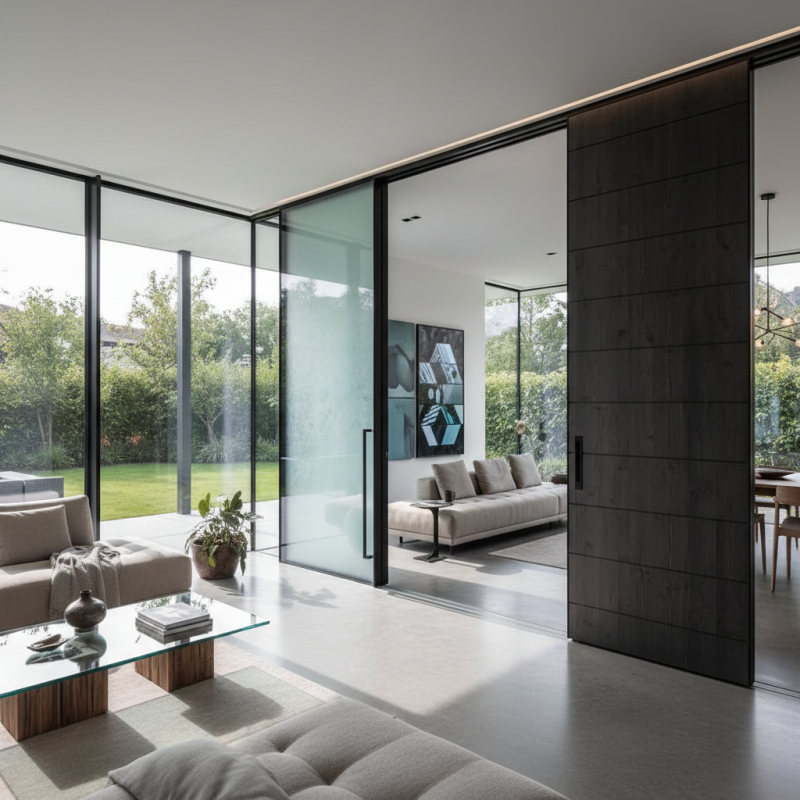
Innovative Materials for Sliding Door Designs in 2025
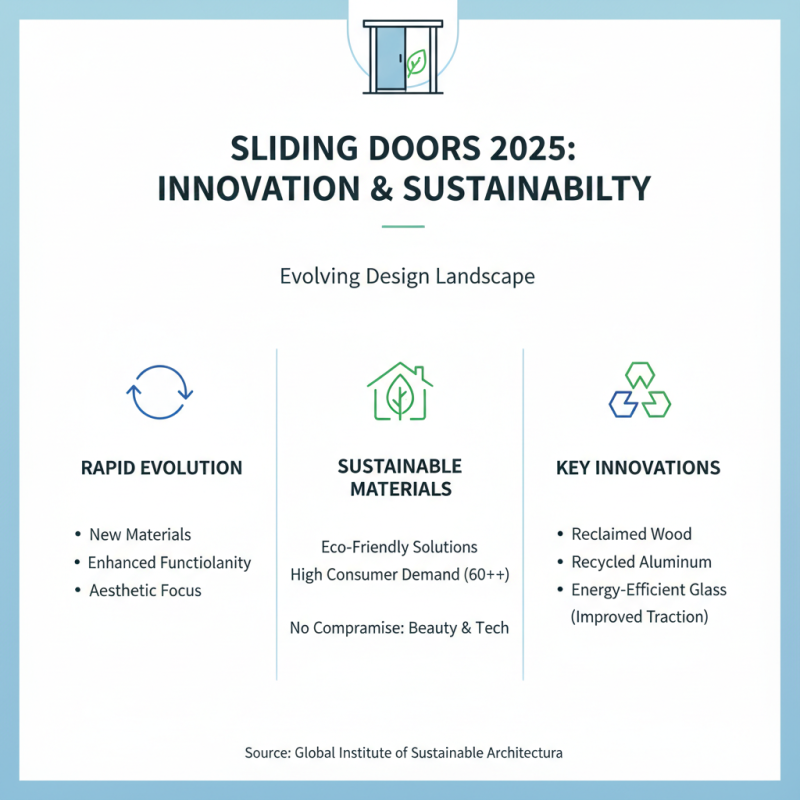
The design landscape for sliding doors is evolving rapidly, with innovative materials becoming a focal point for enhancement in 2025. Industry reports highlight a growing preference for sustainable materials, as homeowners and designers alike seek eco-friendly solutions without compromising on aesthetics or functionality. For instance, a recent study by the Global Institute of Sustainable Architecture indicates that over 60% of consumers express a strong desire for environmentally conscious materials in their home decor choices. This trend is set to reshape how sliding doors are crafted, with options like reclaimed wood, aluminum with recycled content, and glass that offers superior energy efficiency gaining traction.
Moreover, advancements in technology are also influencing material choice. The introduction of smart glass, which can adjust transparency based on light conditions, provides both practicality and innovation. According to a report from the International Building Materials Association, smart glass is anticipated to increase in usage by 25% by the end of 2025, becoming a staple in high-end residential designs. This shift not only augments the aesthetic appeal of sliding doors but also enhances energy efficiency, contributing to overall home value. As we look toward 2025, the fusion of sustainability and technology in sliding door designs will undoubtedly redefine modern home decor.
Popular Color Trends for Sliding Doors to Match Home Decor
As we look towards 2025, sliding doors are poised to become a significant element in home decor, emphasizing both style and functionality. One of the most notable trends is the growing preference for color customization. According to a recent industry report by the American Institute of Architects, nearly 70% of homeowners are seeking unique color options for larger architectural elements like sliding doors, indicating a shift towards personalization in interior design.
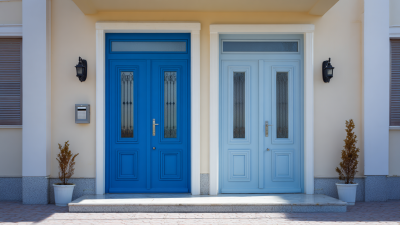
In 2025, expect to see rich earth tones and soft pastels dominate the sliding door landscape. Shades such as deep terracotta, muted greens, and soft blues are gaining traction due to their ability to create a calm and inviting atmosphere. Market research highlights that these colors not only complement natural light but also harmonize with a variety of design styles, from modern minimalist to rustic chic. Moreover, the use of bold colors on sliding doors can serve as a focal point in open spaces, enhancing overall aesthetics while allowing homeowners to express their individuality.
Furthermore, trends are also leaning toward innovative but sustainable finishing options. Eco-friendly paints and stains, which account for a growing segment of the market, are expected to reflect this demand. A 2023 survey by the National Association of Home Builders found that 59% of builders witnessed an increase in requests for sustainable materials. As a result, sliding doors in shades that celebrate nature, paired with sustainable practices, will not only add beauty but also an ethical dimension to home decor in the coming years.
Versatile Styles of Sliding Doors: From Modern to Rustic Looks
Sliding doors have become essential elements in home design, offering both functionality and aesthetic appeal. Their versatility allows them to complement a range of styles, from sleek modern interiors to charming rustic spaces. In modern designs, sliding doors with minimalist frames and frosted glass panels create a sense of openness while ensuring privacy. The clean lines and neutral tones of these doors effortlessly blend into contemporary environments, elevating the overall decor while maximizing natural light.
On the flip side, rustic sliding doors bring warmth and character to a home. Crafted from reclaimed wood or featuring distressed finishes, these doors serve as beautiful focal points in country-style or industrial-themed interiors. Their robust textures and rich colors can enhance cozy living spaces, making them inviting and homey. Incorporating sliding barn doors or wooden panels with vintage hardware can seamlessly integrate rustic charm into more modern settings, providing an intriguing contrast. This blend of styles allows homeowners to express their individuality, making sliding doors a truly versatile choice for any decor.
Integration of Technology in Sliding Door Features
The integration of technology within sliding door designs has become an essential aspect of modern home improvement, especially as we approach 2025. According to a report by Allied Market Research, the smart sliding doors market is projected to reach $2.4 billion by 2027, driven by advancements in automation and the growing demand for smart home features. These doors now incorporate elements such as remote control access, smart sensors, and automated locking systems, enhancing both convenience and security for homeowners.
Furthermore, technological advancements in sliding door systems continue to improve energy efficiency and user experience. Reports from the National Fenestration Rating Council indicate that properly installed sliding doors can have a significant impact on energy consumption, with upgrades to energy-efficient models yielding savings of up to 30% on heating and cooling bills. The integration of sensors that detect weather conditions and adjust the door's insulation properties in real-time is set to revolutionize how these units function, making them not only stylish but also more sustainable. This blend of technology and aesthetics positions smart sliding doors as a leading trend in home decor design for 2025.
Top Sliding Doors Designs and Trends for 2025 to Enhance Your Home Decor - Integration of Technology in Sliding Door Features
| Design Feature |
Description |
Technological Integration |
Benefits |
| Smart Glass |
Electrochromic glass that changes transparency with a switch. |
App-controlled glass opacity feature. |
Enhanced privacy and energy efficiency. |
| Biophilic Design |
Incorporation of natural elements and outdoor views. |
Integrated lighting that mimics natural sunlight. |
Improved well-being and mood. |
| Automated Sliding |
Doors that open and close with voice commands or motion sensors. |
Works with smart home systems for seamless control. |
Convenience and accessibility. |
| Energy-Efficient Materials |
Use of insulated frames and low-emissivity glass. |
Sensors that adjust HVAC systems based on door status. |
Reduction in energy costs. |
| Customizable Finishes |
Wide range of colors and textures to match decor. |
Virtual design tools for personalized designs. |
Unique aesthetic appeal. |
Maximizing Space: Functional Aspects of Sliding Door Designs
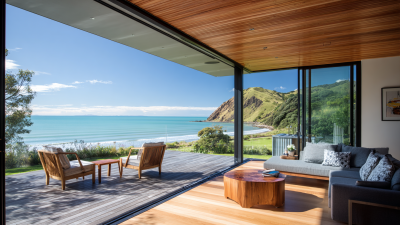
Sliding doors have become an essential design element in modern homes, combining aesthetics with functionality to maximize space effectively. Their ability to open up areas without the need for clearance typically required by hinged doors makes them ideal for both small apartments and expansive homes. By utilizing sliding doors, homeowners can create seamless transitions between indoor and outdoor spaces, effectively blurring the lines and enhancing the sense of openness.
In addition to their space-saving qualities, contemporary sliding door designs are increasingly being tailored to cater to various lifestyles and needs. Options such as pocket doors can completely eliminate the need for swing space, while multi-panel sliding configurations can provide expansive views and natural light. These features not only enhance the ambiance of a room but also contribute to efficient space management, making them a favorable choice for maximizing square footage in living areas, dining spaces, and even in closets or bathroom entries. As trends toward minimalism and multifunctional living become more prominent, the versatility of sliding door designs will continue to play a pivotal role in home decor and space optimization.



 Automatic Doors, Inc.