 Automatic Doors, Inc.
How to Choose the Right FRP Pipe for Your Project?
Select the Correct Pipe Diameter, Pressure Rating, and Wall Thickness
Selecting an FRP pipe starts with actual flow demand, not the existing connection size. Calculate required flow, velocity, friction loss, and future capacity. A narrow pipe may reduce purchase cost. It can increase pumping energy, noise, and water-hammer risk. An oversized pipe lowers velocity, but may raise material and support costs. For wastewater, chemicals, or slurry, confirm viscosity and solids content. Those details change the hydraulic calculation. Keep it practical.
Pressure rating needs more than the pump’s normal discharge pressure. Include startup surges, valve closure, elevation differences, vacuum conditions, and operating temperature. FRP strength can change with heat and chemical exposure. Select a rating above the calculated maximum. Then verify the safety factor in certified design data. Do not rely on a catalog value without checking its test basis. Pressure class and stiffness class are different. This is often missed.
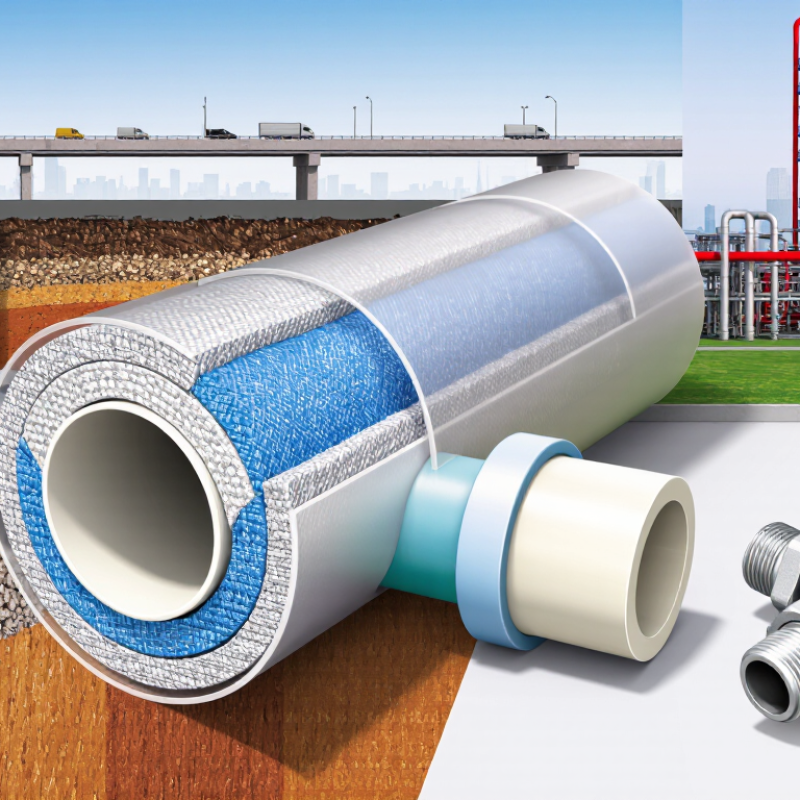
Wall thickness must resist internal pressure and external loads. Buried lines may need stiffness for soil pressure, traffic, groundwater, and installation conditions. Aboveground systems need adequate support spacing and resistance to wind or vibration. Ask for laminate construction, joint details, dimensional tolerances, and inspection records. A qualified engineer should review unusual temperatures, vacuum service, or unsupported spans. Field measurements matter; drawings are not always accurate. Site reviews sometimes find replacement sections do not fit because actual dimensions differ slightly. Recheck them before fabrication. Small errors become expensive.