Top Factors to Consider When Choosing Commercial Doors for Your Business
When it comes to selecting commercial doors for your business, the choices can seem overwhelming. Each business has unique needs, whether it's for security, aesthetics, or functionality. According to John Smith, a leading expert in the commercial doors industry, "Choosing the right commercial doors can significantly impact not just the safety and efficiency of your operations, but also the overall image of your brand." His insights highlight that the decision-making process extends far beyond mere aesthetics; it involves careful consideration of practicality and safety features.
The importance of commercial doors cannot be overstated. They serve as the first line of defense against intrusions, while also playing an essential role in energy efficiency and accessibility. The right commercial door can enhance the customer experience and create a positive first impression, which is crucial in today’s competitive landscape. By understanding the top factors to consider, businesses can make informed choices that align with their operational requirements and brand vision, ultimately leading to long-term success.

Types of Commercial Doors: A Comprehensive Overview
When selecting commercial doors for your business, understanding the various types available is crucial. Each type of door serves a unique function and contributes to the overall security and aesthetic of your establishment. Common types include overhead doors, glass doors, and steel doors. Overhead doors are ideal for warehouses, providing a space-saving solution while ensuring robust security. Glass doors, on the other hand, are perfect for retail spaces, offering visibility which can enhance customer engagement and create an inviting atmosphere. Steel doors provide maximum durability and security, making them suitable for businesses that prioritize safety.
**Tips:** When choosing your commercial door, consider the specific needs of your business environment. Evaluate the traffic flow, as high-traffic areas may benefit from more durable door options. Furthermore, think about the insulation properties of a door, especially if it will impact your energy costs.
Additionally, assess the aesthetic compatibility of the door with your overall design. A well-chosen door not only enhances security but also contributes to your brand image. Whether you opt for a modern glass finish or a classic steel design, ensure that the door aligns with your business’s identity. Remember, the right choice can also impact customer perception and employee satisfaction.
Top Factors to Consider When Choosing Commercial Doors for Your Business
This chart displays the popularity percentages of various types of commercial doors. As shown, steel doors are the most popular choice among businesses, followed by wood doors and glass doors. It's essential to consider the specific needs of your business when selecting the type of door, including durability, security, and aesthetic appeal.
Material Considerations: Evaluating Durability and Maintenance
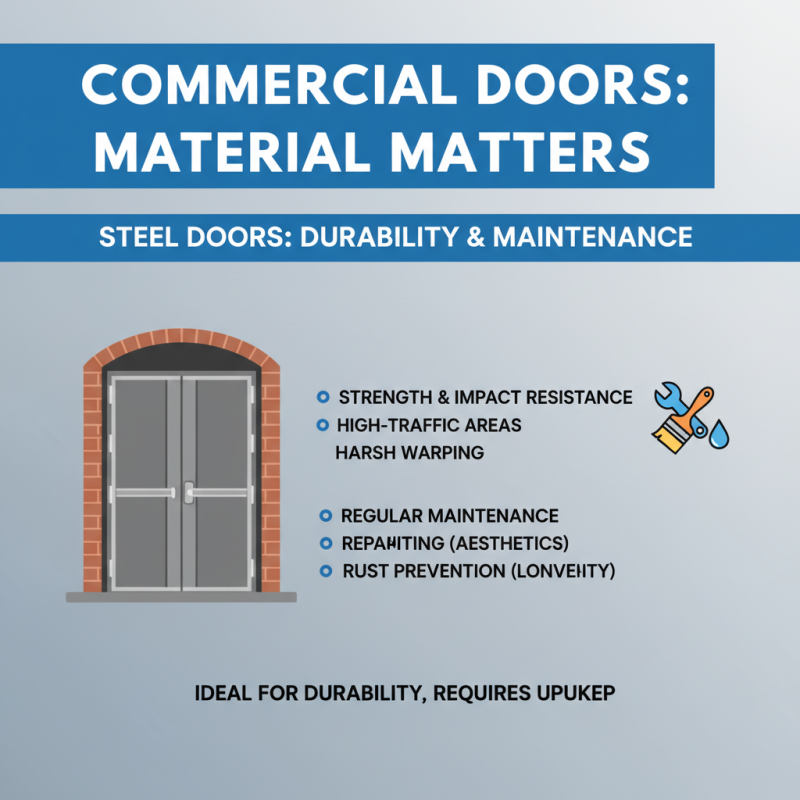
When selecting commercial doors for your business, the choice of material is paramount, as it directly affects both durability and maintenance requirements. Steel doors, known for their strength and resistance to impact, are ideal for high-traffic areas. They can withstand harsh weather conditions and are less prone to warping. However, they do require regular maintenance, such as repainting and rust prevention treatments, to ensure longevity and to maintain their aesthetic appeal.
On the other hand, fiberglass and wood doors offer a different set of advantages. Fiberglass doors can mimic the look of wood while providing superior resistance to the elements, making them an excellent choice for businesses located in varying climates. They require minimal maintenance compared to wood doors, which may need refinishings and repairs over time due to wear and tear. The choice ultimately depends on the business's specific needs, budget, and long-term goals. Evaluating the durability of materials in relation to maintenance demands will help ensure that the chosen doors enhance both security and the overall aesthetic of the business environment.
Security Features: Enhancing Protection for Your Business
When selecting commercial doors for your business, security features should be a top priority. The importance of robust security measures cannot be overstated, as they protect your assets, employees, and sensitive information.
Opting for doors made from high-grade materials, such as steel or reinforced fiberglass, can significantly enhance security. These materials are not only durable but also resistant to forced entry and tampering, providing peace of mind for business owners.
Tip: Consider installing doors with multi-point locking systems. These locks engage at various points along the doorframe, dramatically increasing resistance to break-ins. Additionally, incorporating an access control system, such as keypads or card readers, further strengthens security by regulating who can enter certain areas of your facility.
Another essential aspect of security features is the inclusion of impact-resistant glass. This type of glazing can withstand blunt force and acts as a deterrent against unauthorized entry. Furthermore, many modern commercial doors offer the option of integrating alarm systems that trigger in response to tampering or break-ins, alerting you to potential threats instantly.
Tip: Regularly assess and upgrade your door security as needed. Keeping up with the latest security technology can significantly mitigate risks and protect your business in an ever-evolving threat landscape.
Energy Efficiency: Choosing Doors that Reduce Utility Costs
When selecting commercial doors for your business, energy efficiency is a critical factor that can significantly impact long-term utility costs. Modern commercial doors are designed with advanced insulation materials and technologies that help maintain indoor temperatures. By effectively minimizing heat transfer, these doors reduce the need for excessive heating and cooling, leading to lower energy consumption and utility bills. Businesses that prioritize energy efficiency not only lower their operational costs but also contribute to environmental sustainability.
Moreover, choosing the right type of door can enhance overall building performance. For instance, doors with low U-values indicate better insulation properties, meaning they can keep conditioned air inside while blocking outside temperature fluctuations. Additionally, features such as air tightness, solar control glazing, and weather stripping contribute to reducing drafts and moisture intrusion. By investing in energy-efficient doors, businesses can create a more comfortable environment for employees and customers, ultimately promoting productivity and satisfaction.
Top Factors to Consider When Choosing Commercial Doors for Your Business - Energy Efficiency: Choosing Doors that Reduce Utility Costs
| Door Type |
Material |
Energy Efficiency Rating |
Average Cost (USD) |
Estimated Utility Savings/Year (USD) |
| Hollow Metal Door |
Steel |
R-8 |
$600 |
$200 |
| Insulated Metal Door |
Steel |
R-12 |
$800 |
$300 |
| Fiberglass Door |
Fiberglass |
R-16 |
$900 |
$350 |
| Glass Door |
Low-E Glass |
R-4 |
$1200 |
$150 |
| Wood Door |
Wood |
R-5 |
$700 |
$100 |
Aesthetic Appeal: Aligning Door Design with Brand Identity
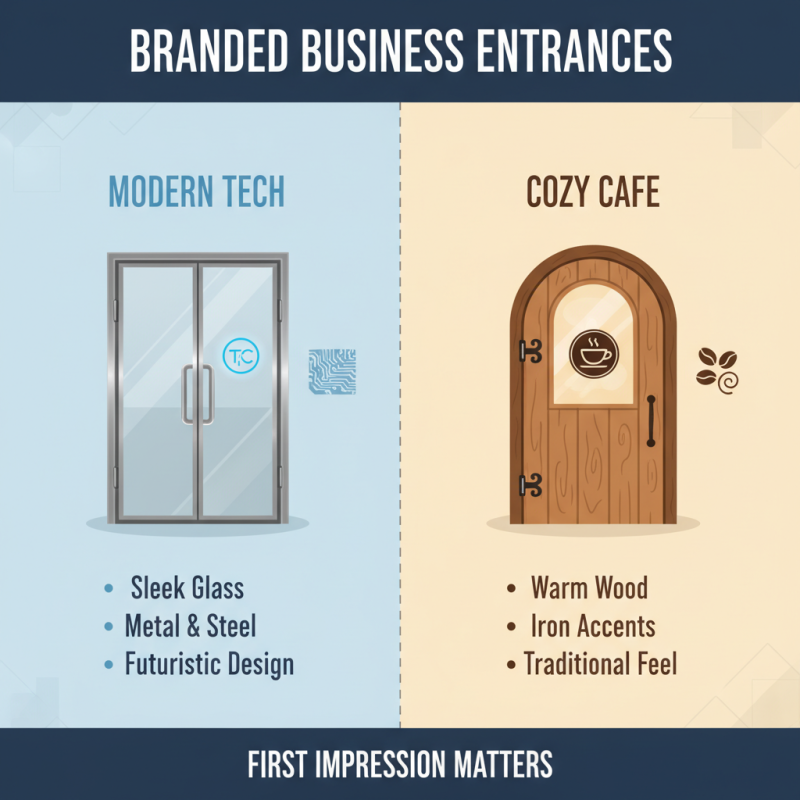
When selecting commercial doors for your business, aligning the aesthetic appeal of the door design with your brand identity is critical. The entrance of your establishment serves as the first impression for customers, and a well-designed door can convey the values and personality of your brand. Whether your business exudes modern minimalism or classic elegance, the choice of materials, colors, and styles should harmonize with your overall brand image. For instance, sleek glass doors may resonate with a contemporary tech company, while rustic wooden doors might be more suitable for a cozy cafe that emphasizes warmth and tradition.
Furthermore, incorporating elements that reflect your brand’s message into the door design can enhance brand recognition and customer loyalty. Customizing the door with unique features such as branding elements—like logos or themed graphics—can further solidify an emotional connection with clients. Additionally, the functionality of the door should not overlook its aesthetic aspects; doors that combine beauty with practicality will not only attract attention but also provide a welcoming atmosphere, encouraging foot traffic and accessibility. Ultimately, choosing a commercial door that aligns seamlessly with your brand identity can create a cohesive and captivating environment that resonates with your target audience.


 Automatic Doors, Inc.