10 Essential Tips for Choosing the Right Automatic Swing Doors for Your Business
In the fast-paced world of business, the efficiency and accessibility of your establishment are paramount. One essential component that can significantly enhance both is the choice of automatic swing doors. According to industry expert Dr. Emily Carter, a renowned specialist in architectural accessibility, "The right automatic swing doors not only streamline foot traffic but also create a welcoming atmosphere for customers." This insight highlights the critical role that these doors play in shaping the first impression of a business.
When selecting automatic swing doors, business owners must consider various factors to ensure they meet their operational needs and reflect their brand values. From aesthetic appeal to functionality, the right doors can seamlessly integrate into a building's design while providing easy access for everyone, including those with disabilities. With an array of options available in terms of materials, designs, and automation features, choosing the perfect model requires careful thought and consideration.
In this guide, we will explore ten essential tips for selecting the right automatic swing doors for your business, helping you make an informed decision that enhances both the look and accessibility of your establishment.
Understanding the Different Types of Automatic Swing Doors Available
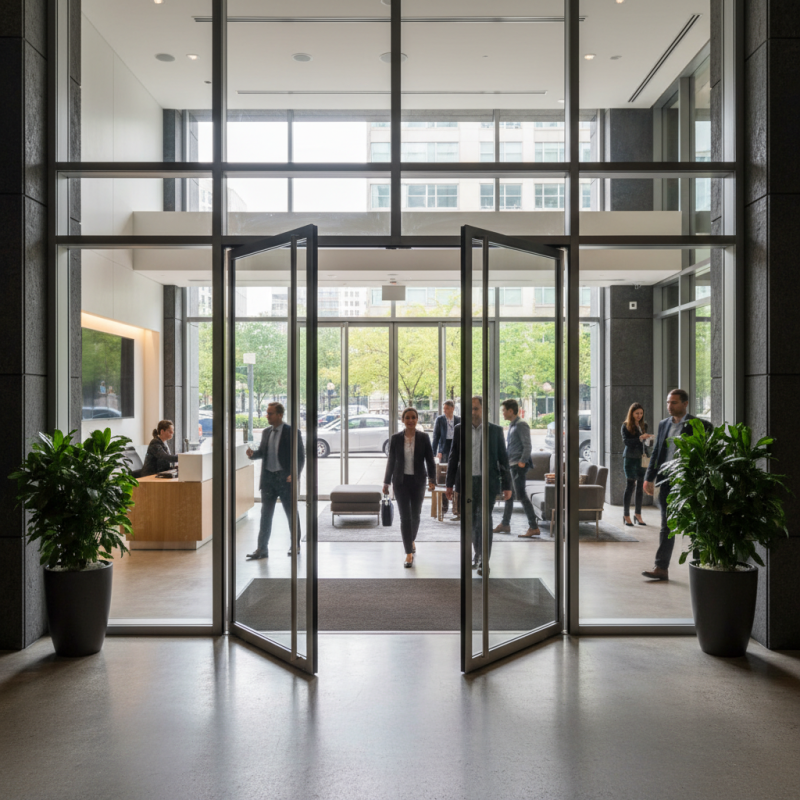
When considering automatic swing doors for your business, it's essential to understand the various types available on the market. Automatic swing doors can be categorized primarily into two types: standard and low-energy doors.
Standard automatic swing doors are designed for high-traffic environments, making them ideal for commercial settings such as malls or hospitals. These doors open and close seamlessly as individuals approach, offering convenience and ease of access.
On the other hand, low-energy automatic swing doors are suited for facilities where traffic is relatively lighter, such as offices or smaller shops. These doors operate with a slower mechanism, providing a gentle push for users upon activation. This feature is particularly beneficial for environments that require additional safety measures, allowing for a more gradual opening and closing.
Understanding these differences will help you choose the right type of automatic swing door that matches your business's traffic flow and operational needs, enhancing both functionality and customer experience.
Key Factors to Consider When Selecting Automatic Swing Doors
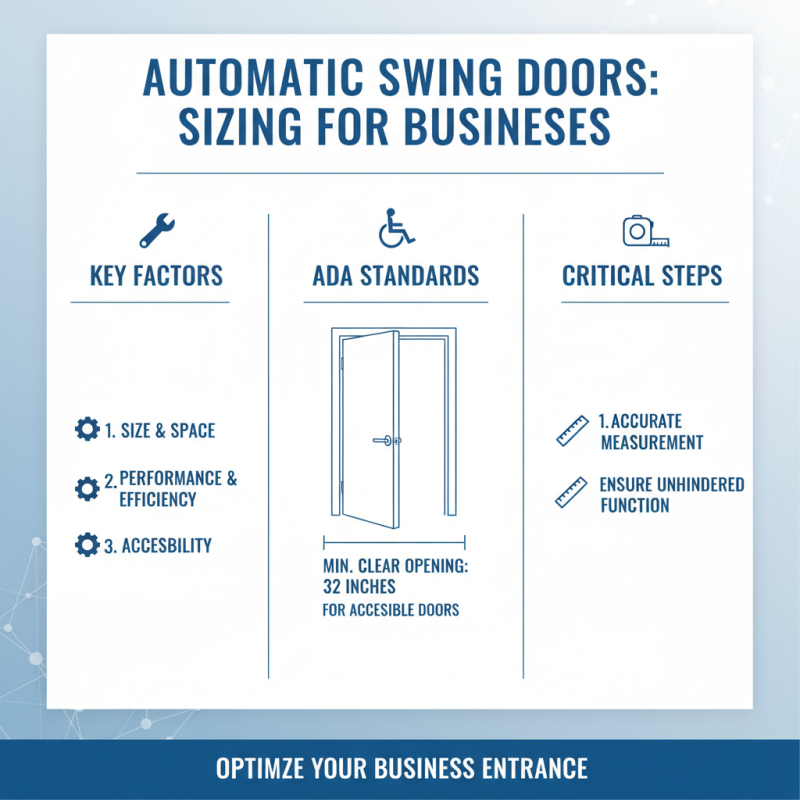
When selecting automatic swing doors for your business, several key factors must be considered to ensure functionality, safety, and aesthetics. One of the primary considerations is the door's dimensions and weight capacity. According to a report by the American Door and Access Systems Manufacturer Association (DASMA), the width of the doorway significantly influences accessibility, particularly in commercial spaces like hospitals and shopping centers. For optimal performance, the door should accommodate high traffic volumes while complying with the Americans with Disabilities Act (ADA) standards, which advocate for minimum clear widths of 32 inches.
Safety features also play a critical role in the decision-making process. Automatic swing doors should be equipped with sensors that detect movement, preventing accidents during busy hours. A study published in the Journal of Building Engineering highlights that incidents related to door operation could be significantly reduced by incorporating advanced safety technology. Additionally, the door’s materials and finishes should align with the business’s overall design while ensuring durability and low maintenance. According to a market analysis by Statista, businesses increasingly favor materials that not only enhance aesthetic appeal but also provide long-term functionality, contributing to a seamless customer experience.
10 Essential Tips for Choosing the Right Automatic Swing Doors for Your Business
| Tip No. |
Key Factor |
Description |
Considerations |
| 1 |
Traffic Flow |
Evaluate the volume of foot traffic to determine the door size and automation level needed. |
Consider peak hours and average visitor counts. |
| 2 |
Accessibility |
Ensure the doors comply with accessibility standards for all users. |
Include features like low opening velocity and hands-free operation. |
| 3 |
Durability |
Consider the material and design for high-traffic environments. |
Look for reinforced frames and weather-resistant options. |
| 4 |
Safety Features |
Ensure the doors have sensors and emergency release options. |
Regularly test safety mechanisms to ensure effectiveness. |
| 5 |
Aesthetics |
Choose a design that matches the overall branding of your business. |
Consider finishes and styles that attract customers. |
| 6 |
Energy Efficiency |
Opt for automatic doors that minimize energy loss. |
Consider models with insulation and automatic closing features. |
| 7 |
Maintenance Requirements |
Assess how often the doors require maintenance and ease of access for repairs. |
Choose models with lower maintenance costs. |
| 8 |
Cost |
Evaluate budget constraints and installation costs. |
Consider total cost of ownership including maintenance. |
| 9 |
Customization |
Determine if the doors can be customized to fit unique business needs. |
Explore options for branding or specific functionalities. |
| 10 |
Vendor Reputation |
Research vendors’ reputation and past customer feedback. |
Look for long-standing companies with warranties and support. |
Assessing the Size and Space Requirements for Automatic Swing Doors
When selecting the right automatic swing doors for your business, one of the most critical factors to consider is the size and space requirements. According to industry studies, proper sizing can affect door performance, energy efficiency, and accessibility. For instance, the American Disabilities Act (ADA) standards recommend a clear opening width of at least 32 inches for accessible doors. Therefore, measuring the space accurately where the doors will be installed is essential to ensure that they can function effectively without hindrance.
Additionally, you’ll want to assess the surrounding area to guarantee that there is enough room for the door swing. A report from the Door and Access Systems Manufacturers Association (DASMA) highlighted that insufficient space could lead to malfunctions and increased wear on the door mechanisms. It’s advisable to allow a clearance of at least 12 inches from the hinge side and 3 to 6 feet of space in front of the doors to accommodate user flow and prevent obstruction. This attention to detail not only enhances safety but also improves customer experience by providing ease of passage for both individuals and wheeled traffic, such as carts and wheelchairs.
Evaluating Energy Efficiency and Safety Features of Swing Doors
When selecting automatic swing doors for your business, energy efficiency and safety features should be at the forefront of your evaluation process. Energy-efficient doors not only reduce operational costs but also contribute to a more sustainable business model. Look for models with high insulation ratings that can minimize air leakage, thus conserving energy for heating and cooling systems. Additionally, consider doors equipped with sensors that optimize their opening and closing mechanisms, allowing for seamless entry and exit while reducing energy consumption.
Equally important are the safety features integrated into automatic swing doors. These doors should comply with safety regulations ensuring they do not pose danger to users. Features such as motion sensors, safety edges, and slow-closing mechanisms can significantly enhance user safety. Investing in doors with a robust emergency protocol, such as automatic reopening in the event of obstruction or malfunction, is also crucial in creating a safe environment for both employees and customers. Prioritize these functionalities to ensure that your choice of automatic swing doors not only bolsters energy efficiency but also prioritizes safety.
Energy Efficiency and Safety Features of Automatic Swing Doors
Budgeting for the Purchase and Installation of Automatic Swing Doors
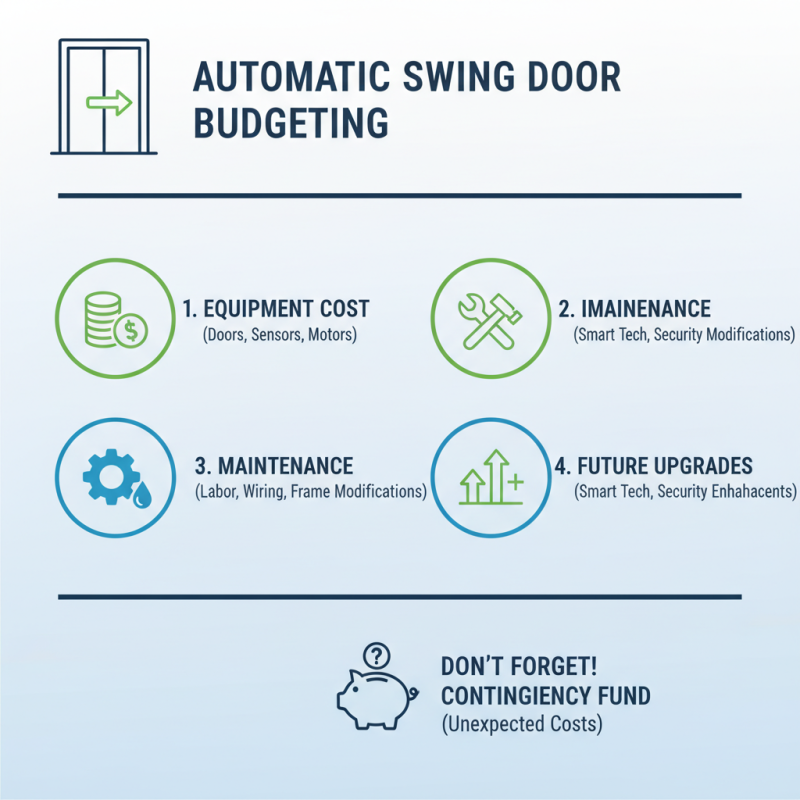
When planning the purchase and installation of automatic swing doors for your business, budgeting is crucial. You'll need to consider not only the cost of the doors themselves but also installation, maintenance, and potential upgrades. Establishing a clear budget will help ensure that you don't overlook any associated expenses. It's advisable to set aside a contingency fund to cover unexpected costs that might arise during installation.
Additionally, when choosing automatic swing doors, consider the long-term value they can provide. Higher-quality doors might require a larger initial investment but could save you money in the long run by reducing maintenance costs and improving energy efficiency. Therefore, evaluate your budget alongside the performance and durability of the options available.
Tip: Always request quotes from multiple suppliers to compare pricing and services. This can help you identify competitive offers and negotiate better deals. Another effective strategy is to prioritize the features that matter most to your business, as this focus can guide you towards the best options that meet your performance needs within your budget constraints.


 Automatic Doors, Inc.