How to Choose the Best Child Car Seat for Your Safety?
Choosing the right Child Car Seat is crucial for your child's safety. According to Dr. Linda Davidson, a leading pediatric safety expert, “A proper car seat can make the difference between injury and safety.” With so many options available, parents often feel overwhelmed.
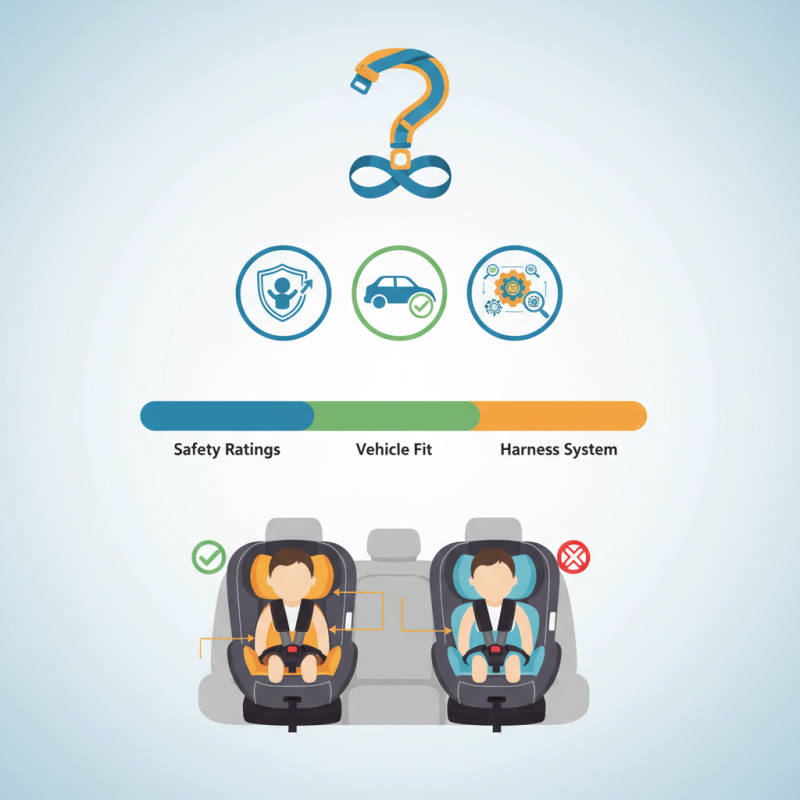
Many parents overlook critical features when selecting a Child Car Seat. They may focus solely on price or brand reputation. However, safety ratings and fit for your vehicle should be top priorities. Testing each seat in your car helps ensure a snug fit that can protect your child.
Reflecting on my past choices, I realized how easy it is to miss important details. For example, understanding the right harness system matters as much as the seat itself. Each Child Car Seat has unique specifications and guidelines. Taking time to research can lead to better decisions for your child's well-being.
Understanding the Importance of Choosing the Right Child Car Seat
Choosing the right child car seat is vital for safety. Studies show that proper car seat usage can reduce the risk of injury by up to 71%. Each year, thousands of children are injured in car accidents. Many of these injuries could be prevented with the right car seat.
Understanding the specifications of different car seats is crucial. Seats must be age-appropriate and fit the child’s size. For instance, infants require rear-facing seats, while toddlers may transition to forward-facing ones. Yet, confusing labels can lead to poor choices. Many parents mistakenly select seats based on convenience, not safety performance.
Common mistakes include improper installation. Reports indicate that nearly 60% of car seats are not installed correctly. This leads to life-threatening situations during an accident. Regularly checking the car seat's fit and alignment can make a difference. Parents should always refer to guidelines from authoritative sources for help. Ultimately, awareness and knowledge play key roles in making informed choices, and this continues to be an area needing improvement.
Types of Child Car Seats: Rear-Facing, Forward-Facing, and Booster Seats
Choosing the right car seat for your child can feel overwhelming. There are several types to consider. Rear-facing seats are designed for infants and toddlers. They provide the best protection during a collision. The seat cradles the child's head, neck, and spine. It's crucial to keep your child in a rear-facing seat for as long as possible. This is where many parents struggle. Some might switch to a forward-facing seat too soon, thinking their child is ready.
Forward-facing seats are for older toddlers and young children. They use a harness system that secures your child in place. It’s essential to ensure that the harness fits snugly and is adjusted properly. Many parents overlook this detail. They might think a loose harness is acceptable, but it can greatly affect safety. It’s also important to check the weight and height limits for these seats. This prevents transitioning before a child is ready.
Booster seats are the final stage for older kids. They raise the child so the vehicle's seat belt fits properly. Many parents underestimate the importance of booster seats. Some might allow children to use adult seat belts too soon. This can be risky. The seat belt may not protect them adequately. Always check that your child is safe in whatever seat they use. Regularly review the fit and adjust as your child grows. This ongoing reflection is key to maintaining safety during car rides.
Key Safety Features to Look for in a Child Car Seat
When choosing a child car seat, safety features should be your top priority. Look for seats with side-impact protection. This feature helps absorb crash forces. It shields your child from side impacts, which are common in accidents. Also, a five-point harness system is essential. This securely holds your child in place during trips. Proper installation is crucial, so many seats come with guides to ensure safety.
Another vital consideration is the seat's materials. The padding should be thick yet breathable. This helps keep your child comfortable on long journeys. Additionally, seats with a good recline angle are beneficial. They ensure a proper fit for infants and toddlers. Some parents may overlook the importance of being able to adjust these features. This can make a significant difference in comfort and safety.
Lastly, always check for certifications. A car seat may appear well-made but might lack essential safety tests. It's crucial to read user reviews too. Sometimes, parents share valuable insights that could help you choose better. Look for signs of wear and tear on second-hand seats. An overlooked feature might save a life. Safety should not be compromised.
How to Properly Install and Secure a Child Car Seat
Properly installing and securing a child car seat is crucial for safety. According to the National Highway Traffic Safety Administration, nearly 60% of car seats are misused. This statistic highlights the importance of correct installation. Always read the manual that comes with the car seat. Each model may have specific instructions that are vital for safety.
Begin by choosing the right seat based on your child's age, weight, and height. Infants should be in rear-facing seats. Once they outgrow those, switch to forward-facing seats. Make sure the seat is tightly secured in the vehicle. A good test is to check if the seat moves more than one inch side to side or forward.
Using the LATCH system can simplify the process. However, some parents may overlook that the seatbelt is also a safe option. It's essential to check the vehicle owner's manual as well. Many cars have specific guidelines for car seat installation. Even minor errors can compromise safety. Regularly review the installation every few months. Children grow quickly, and adjustments are often needed.
Regulations and Standards for Child Car Seats in Your Area
When choosing a child car seat, it’s essential to consider the regulations and standards specific to your area. Many regions enforce guidelines to ensure child safety in vehicles, including age and weight limits for car seats. For instance, the American Academy of Pediatrics recommends that children remain in rear-facing seats until at least two years old or until they reach the maximum weight and height limits specified by the seat manufacturer.
The National Highway Traffic Safety Administration (NHTSA) notes that nearly 50% of car seats are installed incorrectly. This alarming statistic demonstrates the need for better education on proper installation and usage. Parents often overlook specific requirements regarding installation angles and tether use. They may underestimate the importance of ensuring a snug fit in the vehicle.
It's important to regularly re-evaluate your child's car seat as they grow. Each child is unique and may outgrow their seat at different rates. Many parents mistakenly believe that once a car seat feels comfortable, it is safe. Unfortunately, comfort doesn’t always equate to safety. Keeping updated with local laws and revisiting safety guidelines is crucial for protective measures.
How to Choose the Best Child Car Seat for Your Safety? | Car Seat Type | Age Group | Weight Limit | Height Limit | Safety Standards |
| Infant Seat | Birth to 12 months | Up to 22 lbs | Up to 30 in | FMVSS 213 |
| Convertible Seat | Birth to 4 years | 5 to 40 lbs | Up to 40 in | FMVSS 213 |
| Booster Seat | 4 to 8 years | 40 to 100 lbs | Up to 57 in | FMVSS 213 |
| Forward-Facing Seat | 2 to 7 years | 20 to 65 lbs | Up to 49 in | FMVSS 213 |
| All-in-One Seat | Birth to 12 years | 5 to 120 lbs | Up to 62 in | FMVSS 213 |
 Automatic Doors, Inc.