How to Choose the Right Doors and Doors for Your Home?
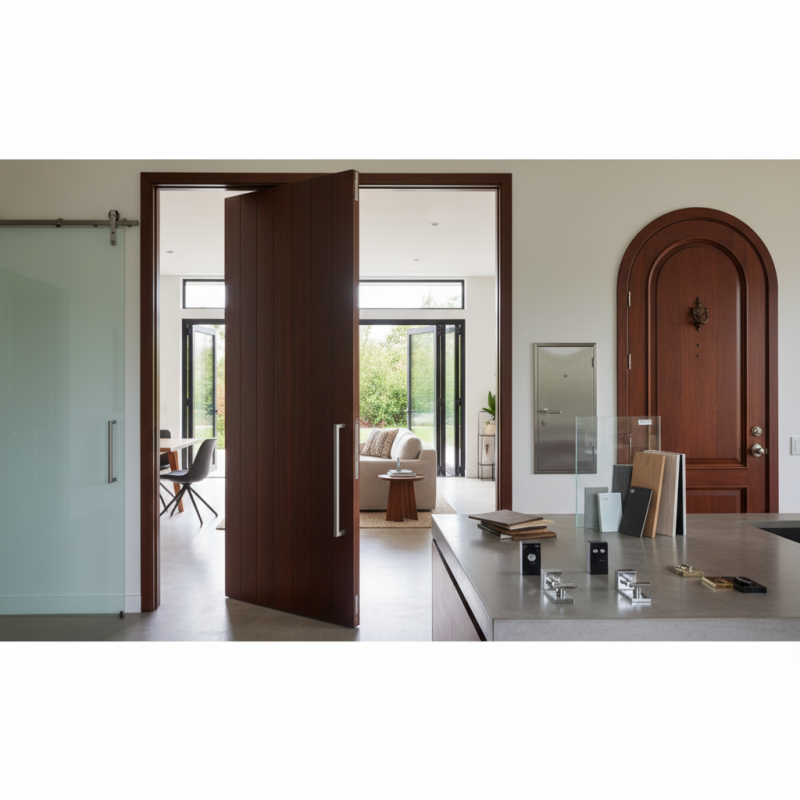
Choosing the right doors and doors for your home can be a daunting task. It goes beyond mere aesthetics. You must consider functionality and security, too. Every door you select contributes to your home’s overall look and feel. Think about your personal style. Do you prefer modern or traditional designs?
Materials play a crucial role in your decision-making. Wood, fiberglass, and steel each have unique benefits. For instance, wood offers warmth, while steel provides durability. Weigh the pros and cons of each material. Sometimes, the perfect door might not meet your budget expectations. It’s essential to reflect on what truly matters.
Don’t forget about the details. Handles and locks can make a significant impact. Ultimately, choosing doors and doors involves balancing aesthetics, security, and cost. If you rush this process, you may end up regretting your choices. Take your time to explore options and make informed decisions.
Understanding Different Types of Doors and Their Functions
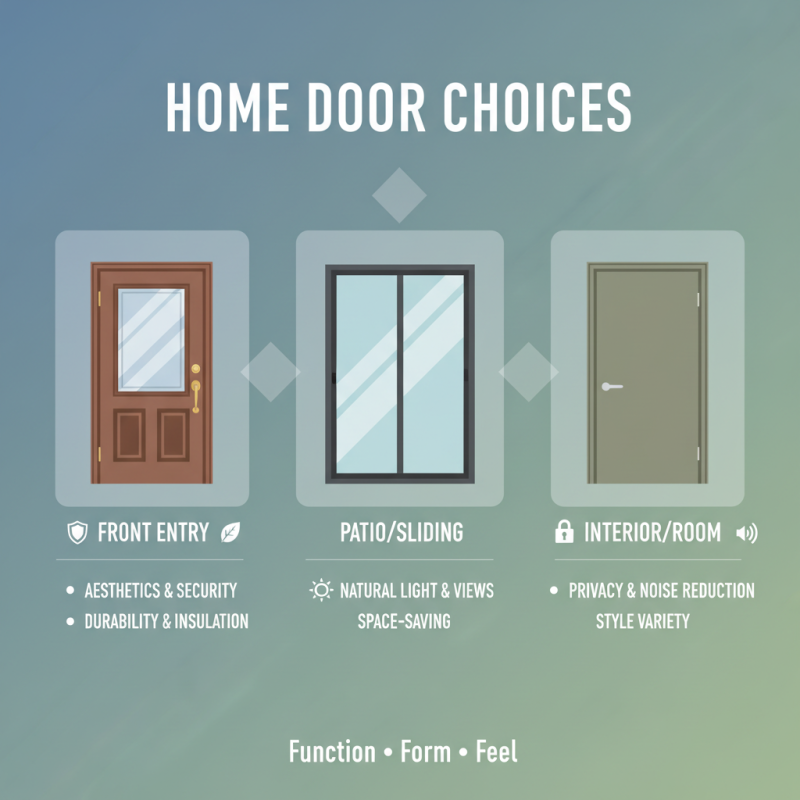
Choosing the right doors for your home can be challenging. Different types serve unique functions. You might think about aesthetics, security, and privacy. Each door type has its features to consider.
Exterior doors provide entry and exit points. They must be sturdy and secure. Fiberglass or steel doors often offer better protection. Wooden doors add charm but may require more maintenance. Interior doors, on the other hand, focus on privacy. Hollow-core doors are lightweight and cost-effective. Solid-core doors offer more sound insulation but can be heavier and pricier.
Consider your lifestyle when choosing doors. If you have pets or children, durability is key. A sliding patio door can be a great space-saver. French doors bring elegance but can take up more space. Reflect on your home's traffic flow. Think about how doors will be used daily. Factors like these affect your choice. You might regret a hasty decision later.
Factors to Consider When Choosing Doors for Your Home
Choosing the right doors for your home involves multiple factors. A report from the Door and Access Systems Manufacturers Association (DASMA) indicates that doors can significantly impact energy efficiency. Insulated doors can reduce heating and cooling costs by 15-20%. Consider the climate when selecting materials. Steel doors, for instance, provide durability in extreme weather but may not be ideal in humid areas.
Aesthetics play a crucial role too. The National Association of Realtors suggests that curb appeal influences buyer perception. Entry doors with decorative glass or unique finishes can add charm. However, an overly ornate door may clash with a minimalist design.
Safety is essential. According to the FBI, household burglaries account for about 73% of all property crimes. Reinforced steel doors can deter intruders. Yet, some homeowners overlook this crucial aspect, opting instead for style over security. Remember, a balance must be achieved. Each door tells a story about your home. Choose wisely, as poor choices can lead to regrets later.
Evaluating Material Options for Home Doors: Pros and Cons
Choosing the right material for doors can significantly impact your home's aesthetics and functionality. Wood doors offer natural beauty and warmth. However, they require regular maintenance and can warp over time. Keep this in mind when selecting them. Steel doors provide excellent security but may not have the same visual appeal. They can rust if not properly painted and maintained.
Fiberglass doors are versatile and often mimic the look of wood. They are resistant to weather conditions and dents. Yet, some might find them less authentic compared to solid wood. Lastly, glass doors can create a beautiful entryway filled with natural light. Their main drawback is privacy, which could be a concern for some homeowners. Consider the pros and cons carefully. Each material has its strengths and weaknesses, and personal preference plays a crucial role in the decision.
Design and Style: Matching Doors with Your Home Aesthetic
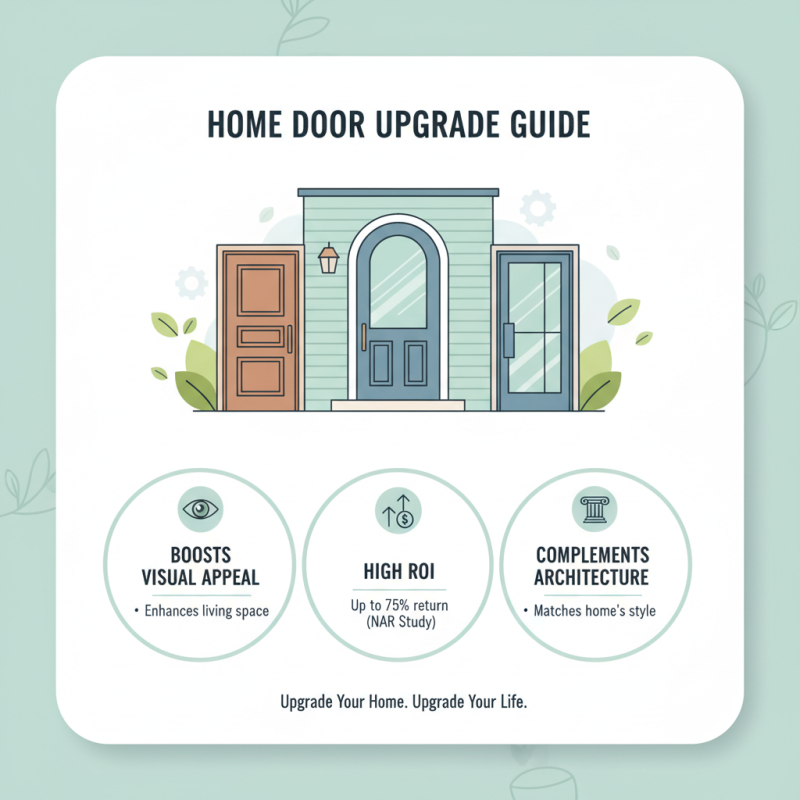
When selecting doors for your home, aesthetics play a crucial role. The right doors can enhance the visual appeal of your living space. According to a recent study by the National Association of Realtors, exterior improvements, like door upgrades, can yield returns of up to 75%. Choosing a style that complements your home’s architecture is essential.
Traditional homes often benefit from classic wooden doors. They provide warmth and character. On the other hand, modern homes may thrive with sleek, minimalist designs. Materials like fiberglass can offer a contemporary look while maintaining durability. But aesthetics aren’t the only factor. Color and finish can also impact the overall design.
It’s easy to overlook how door style reflects personal taste. Are you drawn to bold colors, or do you prefer muted tones? Sometimes, too much contrast can seem jarring. A balanced approach is crucial. Incorporating elements from both your interior and exterior can create a cohesive look. However, the process often requires experimentation and reflection. Evaluating choices takes time, and not every attempt will be a match.
Installation and Maintenance Tips for Long-lasting Doors
When selecting doors for your home, consider both aesthetics and functionality. Improper installation can lead to problems. For example, if a door is misaligned, it may not close properly, allowing drafts. This can increase energy costs. Ensure that you check the dimensions of the door frame before purchasing. Measure twice to avoid mistakes.
Maintenance is crucial for longevity. Regularly inspect hinges and locks; they can wear out over time. A bit of lubricant can prevent squeaking and rust. Clean your doors with gentle soap. Harsh chemicals may damage the finish. Additionally, inspect seals for wear and tear. Water damage can lead to costly repairs.
Consider seasonal changing of doors as well. In summer, light doors can create a cool ambiance. In winter, heavier doors can provide better insulation. Reflect on your choices carefully. Often, homeowners overlook these small details. Your door is the first thing guests see, so make it count!
How to Choose the Right Doors and Doors for Your Home? - Installation and Maintenance Tips for Long-lasting Doors
| Door Type |
Material |
Energy Efficiency |
Estimated Lifespan |
Maintenance Tips |
| Entry Door |
Fiberglass |
High |
20-30 years |
Regular cleaning and inspect weather stripping |
| Interior Door |
Hollow Core |
Moderate |
10-15 years |
Regular cleaning, avoid direct moisture |
| Patio Door |
Vinyl |
High |
15-25 years |
Lubricate tracks and check seals |
| Garage Door |
Steel |
Moderate |
15-30 years |
Inspect rollers and tracks regularly |



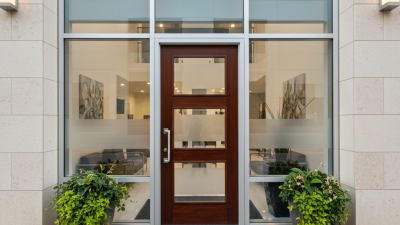

 Automatic Doors, Inc.