How to Choose the Best Automatic Shop Doors for Your Business
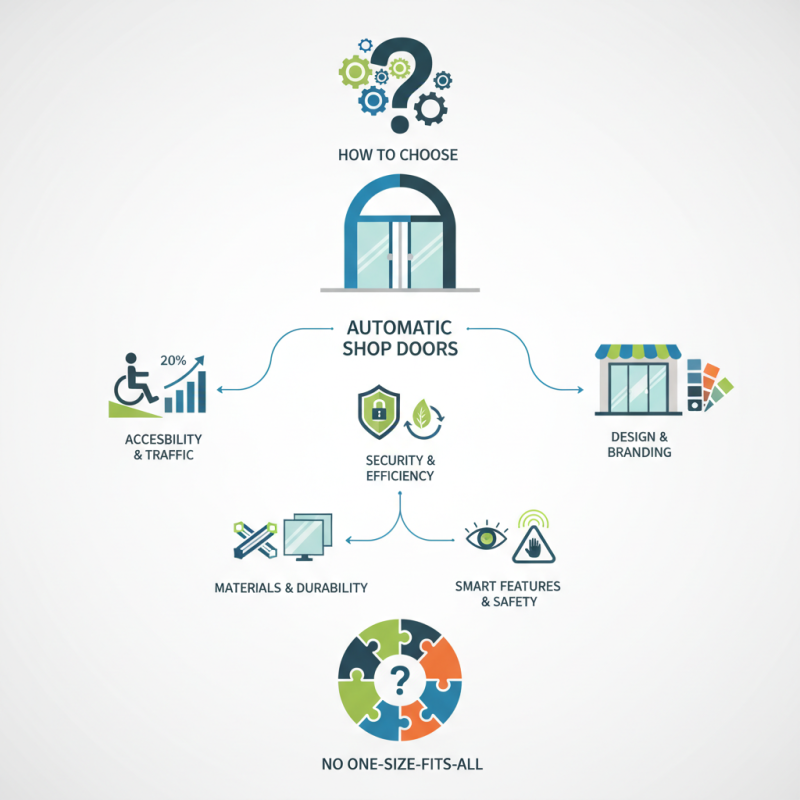
Choosing the right automatic shop doors is crucial for any business. These doors not only enhance accessibility but also improve security and energy efficiency. According to the National Association of Automatic Door Manufacturers, businesses can experience a 20% increase in foot traffic with the right door design.
Industry expert Mark Thompson emphasizes, "The best automatic shop doors blend functionality with aesthetic appeal." When selecting doors, consider the layout of your shop, type of customers, and overall branding. Poor choices can lead to increased maintenance costs or decreased customer satisfaction.
Pay attention to the materials used. Sturdy materials can withstand heavy usage, while glass doors can make your shop look inviting. Reflect on the specific needs of your business. Don’t overlook the importance of features like sensors and safety systems. There’s no one-size-fits-all solution in the realm of automatic shop doors.
Understanding the Different Types of Automatic Shop Doors Available
When choosing automatic shop doors, it's crucial to understand the various types available.
Sliding doors are common in retail spaces. They slide open horizontally and are great for high-traffic areas. These doors provide easy access while maximizing space efficiency. They often feature motion sensors for hands-free operation. However, they may require regular maintenance to ensure smooth functionality.
Next, you have folding doors, which can be an excellent choice for smaller shops. They fold back to create a wider opening. This type is beneficial in compact spaces. However, they may not withstand heavy winds or harsh weather. The installation process can also be tricky, requiring a skilled technician.
Revolving doors are another option, ideal for energy efficiency. They help maintain temperature control in stores. But, they can be challenging for some customers to navigate. Visibility can be limited, leading to safety concerns. Each door type comes with its own advantages and disadvantages. Reflecting on these factors will help you make a well-informed decision for your business needs.
Assessing Your Business Needs and Space Requirements for Door Selection
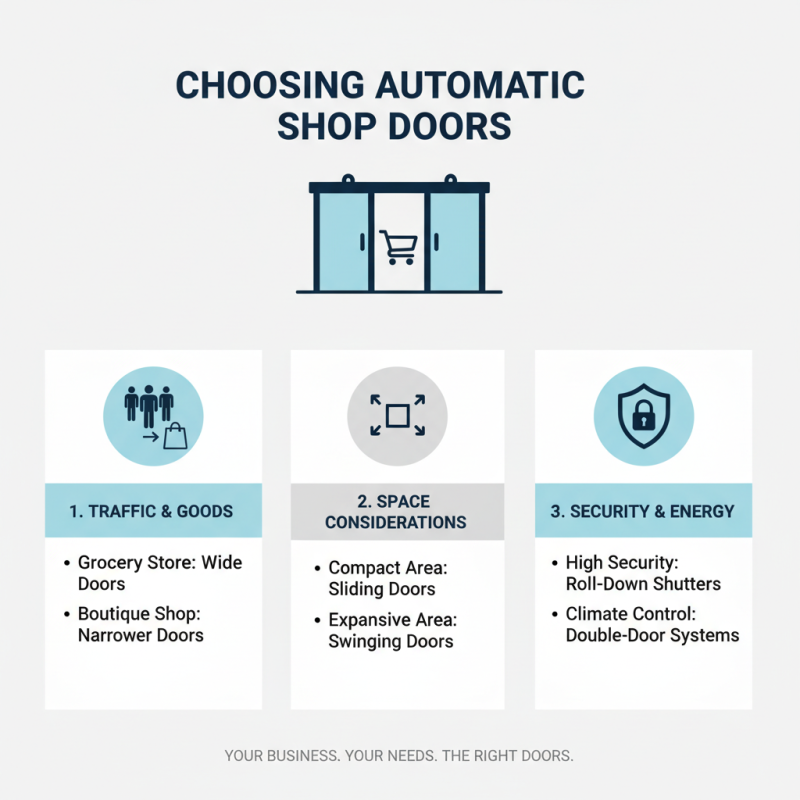
Choosing the right automatic shop doors involves understanding your business's unique needs. Start by assessing the customer traffic and the types of goods you handle. For instance, a grocery store might require wider doors compared to a boutique shop. Think about your space. Is it compact or expansive? Narrow pathways may not suit large, swinging doors.
Consider how often the doors will be in use. High-traffic areas may benefit from sturdy options that can withstand wear. Reflect on safety features too. Are they visible enough for customers? Sometimes, aesthetics can overshadow functionality. Don't overlook the importance of energy efficiency in your selection. If doors aren't well-insulated, you could waste money on heating and cooling.
Finally, evaluate the installation space. Will modifications be needed? This can increase costs unexpectedly. Think about maintenance requirements as well. Will you have the resources to keep them operational? It's crucial to weigh these factors carefully. Making the right choice can enhance customer experience and improve operational efficiency.
Evaluating Door Features: Security, Energy Efficiency, and Accessibility
When choosing automatic shop doors, focus on key features. Security is paramount. Look for doors that offer robust locking mechanisms. An added layer of security can be a must for high-risk areas. Consider cameras or sensors to monitor activity. These elements enhance safety while allowing easy access for customers.
Energy efficiency is another critical factor. Automatic doors can significantly reduce heating and cooling costs. Look for features like insulated materials and sensors that minimize airflow. This keeps energy waste to a minimum. However, testing the effectiveness of these features is essential.
Accessibility is not just a requirement; it is vital for all businesses. Ensure the doors accommodate everyone. Look for options with low thresholds and wide openings. It might seem simple, but thoughtful design can make a big difference. Don’t overlook the importance of user experience in these choices.
Comparison of Leading Automatic Door Brands and Models
When selecting automatic shop doors, brand and model matter. Various manufacturers produce doors with distinctive features. Recognizing reliable options is essential for business needs. According to industry reports, up to 70% of customers prioritize convenience and accessibility when entering stores. Thus, a well-chosen door can enhance customer experience significantly.
Many businesses overlook energy efficiency, which is crucial. Automatic doors can reduce energy loss by about 30%, according to recent studies. Efficiency also contributes to long-term savings. It's wise to assess each model’s performance, maintenance needs, and warranty. Comparing different brands on these factors helps narrow your options.
Tip: Look for doors that have a soft-close feature. This can minimize noise and ensure safety. Also, consider the materials used; durable options can withstand frequent use. In retail, appearance impacts customer perception. A door’s design should align with your overall branding. Mistakes happen when businesses ignore compatibility with their existing systems. Stay aware of your budget while aiming for quality features.
Maintenance and Support Considerations for Automatic Shop Doors
Maintaining automatic shop doors is crucial for their longevity and efficiency. Regular maintenance checks can prevent bigger issues down the line. Check the sensors and tracks frequently. These components can gather debris over time, affecting functionality. A simple cleaning routine can make a big difference.
Tip: Schedule monthly inspections while your doors are still under warranty. Document any repairs or maintenance performed. This information will be valuable for future troubleshooting.
It’s also important to consider support options during your selection process. Some manufacturers offer extended warranties or service plans. Evaluate these before making a decision. Ensure you understand the limitations and coverage details of these plans. A good support system can alleviate unexpected problems.
Tip: Read reviews on service responsiveness. Reach out to other business owners for their experiences. A reliable response team is invaluable in emergencies.
Maintenance and Support Considerations for Automatic Shop Doors



 Automatic Doors, Inc.