How to Choose the Right Automatic Doors for Your Business Needs?
Choosing the right automatic doors for your business is crucial. These doors can enhance accessibility, security, and aesthetics. They offer convenience for customers and employees alike. However, selecting the best option often causes confusion.
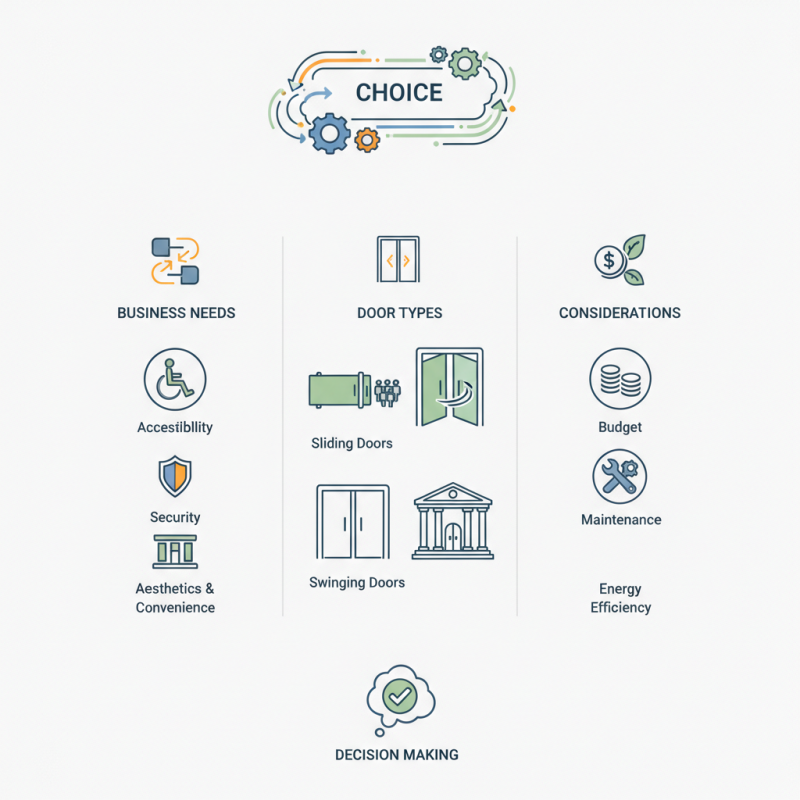
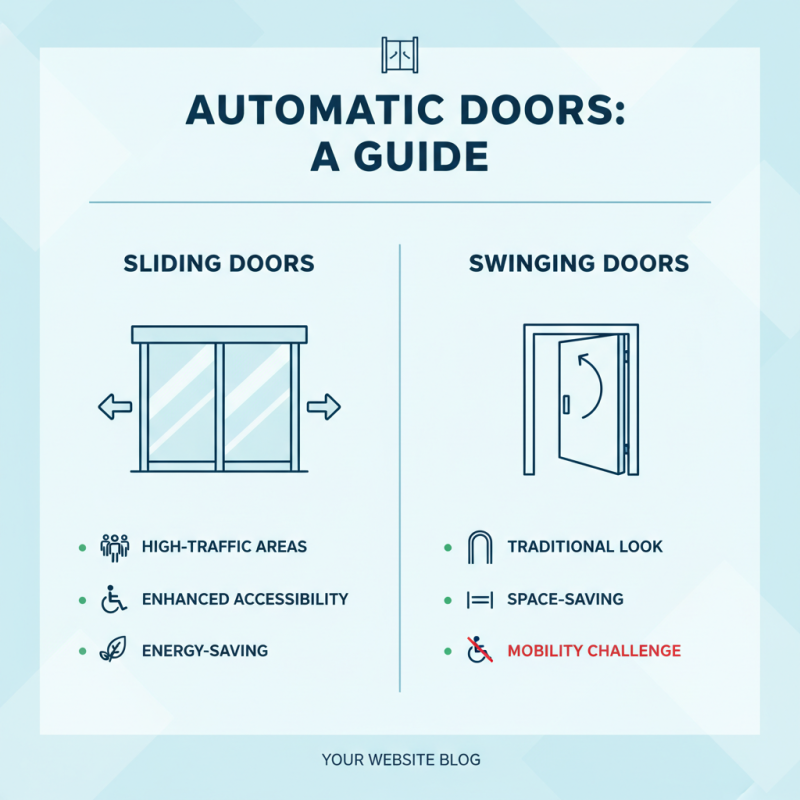
Consider your business's specific needs. Different types of automatic doors are available, from sliding to swinging designs. Each type has its advantages and limitations. For instance, sliding doors are great for high-traffic areas, while swinging doors may provide a classic touch.
Budget constraints can also complicate choices. High-quality automatic doors may require a larger investment, but they often bring long-term benefits. Reflecting on your decision-making process is vital. Are you considering all aspects? Are you factoring in maintenance costs or energy efficiency? It’s essential to weigh these details carefully.
Understanding Different Types of Automatic Doors Available in the Market
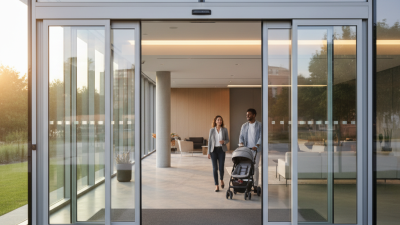
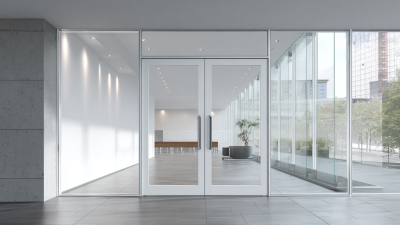
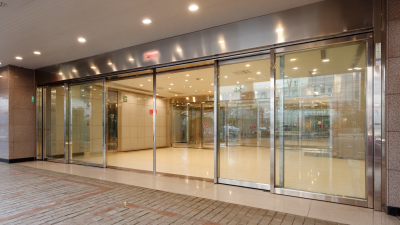
When selecting automatic doors, it’s essential to understand the various types available. Sliding doors are an excellent choice for high-traffic areas. They open horizontally, creating an inviting entrance. These doors can enhance accessibility and often come with energy-saving features. Another option is swinging doors. They provide a traditional look while allowing efficient passage. These doors are suitable for locations where space is limited. However, they may pose a challenge for those with mobility issues.
Bi-folding doors are another interesting choice. They fold in on themselves, providing a larger opening. This creates a seamless transition between indoor and outdoor spaces. They are popular in restaurants and commercial spaces. Yet, they might require more maintenance than simpler designs. Additionally, revolving doors are noteworthy for their energy efficiency. They minimize air exchange between the inside and outside. However, they can be confusing for some users, leading to frustration.
Understanding these types will help you meet your business needs. Consider your location, foot traffic, and desired aesthetic. It’s also crucial to think about your budget. Each type has its own pros and cons. This reflection will guide your decision-making process, ensuring you choose the right automatic doors.
Evaluating the Security Features of Automatic Doors for Your Business
When selecting automatic doors, security features are crucial for any business. Consider the material used in the door construction. Strong materials can deter intrusions. Look for features like reinforced frames and shatterproof glass. These elements provide an added layer of protection. Automatic locking mechanisms also play a vital role. They can ensure the doors remain secure when closed.
Another aspect is the access control system. Integrated systems allow you to manage who enters your premises. This may include keypads, card readers, or biometric scanners. Choose a system that fits your needs. It’s a good idea to assess your flow of visitors. Sometimes, a complex system can be overwhelming for customers. This might lead to frustration or even deter them from entering.
Always evaluate the overall design. While aesthetics matter, functionality should not be compromised. Visibility through the doors is important. If too much security hinders visibility, it may create a negative impression. Reflect on how your choices impact customer experience. Consider consulting with an expert to find a balance between security and usability.
Assessing the Accessibility Compliance of Automatic Doors
When selecting automatic doors for your business,
accessibility compliance is
crucial. You must ensure the doors meet regulations like the
Americans with Disabilities Act (ADA) standards. This can prevent issues
and enhance customer experiences.
Automatic doors should provide convenient access for individuals
with disabilities. Consider widths and opening speeds carefully.
Checking for features like tactile buttons is
important. These assist users with visual impairments. A
motion sensor can
also aid access for people who use mobility devices. However, not all doors have
these features. Some might need alterations to meet standards, which can complicate
decisions.
Evaluate your space. Not every door type fits
all locations. Inconsistent measurements can lead to costly mistakes. Gathering
feedback from employees, especially those who interact with customers regularly,
can bring valuable insights. If compliance is not met, it may affect your
business's reputation. Thoughtful choices today create a more inclusive
environment tomorrow.
Determining the Best Automatic Door Systems Based on Traffic Flow
Choosing the right automatic doors requires an understanding of traffic flow. The volume and type of traffic will guide your decision. According to industry reports, businesses see a 20% increase in foot traffic with the right door systems. High-traffic areas require robust solutions. Consider doors that can withstand frequent use. It’s essential to match the door type to your customer needs for optimal flow.
Tips: Assess peak hours. This helps in choosing the right speed for the doors. A gradual opening may be beneficial for busy restaurants but might slow down a retail shop's flow.
Design is also crucial. Automatic doors can enhance aesthetics while improving accessibility. Studies show that 73% of customers prefer businesses with entryways that accommodate all. However, an unbalanced approach can lead to congestion. Too wide can waste space; too narrow risks bottlenecks. Balance is key.
Tips: Review layout space carefully. Engage staff for feedback on high-traffic areas. It may reveal hidden issues that need addressing with the chosen automatic doors.
Traffic Flow for Different Business Types
Estimating Installation and Maintenance Costs for Automatic Doors
When considering automatic doors for your business, installation and maintenance costs are critical. The installation expenses can vary widely based on design, size, and material. Typically, you might pay anywhere from a few hundred to several thousand dollars. It is crucial to obtain multiple quotes to ensure a fair price.
Tips: Always ask for a detailed breakdown of costs. This helps you understand what you're paying for. Look for hidden fees, too. Installation time also affects the cost. A complex installation requires more labor, increasing your expenses.
Maintenance is another important factor. Regular checks and servicing are essential for longevity. Basic maintenance might range from $150 to $500 annually. Neglect can lead to more significant issues and higher repair costs down the line.
Tips: Schedule routine inspections to catch problems early. Keep a log of maintenance activities. This could save you money on major repairs. It's essential to choose a service provider with a good reputation, as quality matters.
How to Choose the Right Automatic Doors for Your Business Needs?
| Door Type |
Estimated Installation Cost |
Estimated Maintenance Cost (Annual) |
Ideal Usage |
| Sliding Automatic Doors |
$3,000 - $5,000 |
$200 - $500 |
High traffic areas, retail stores |
| Swinging Automatic Doors |
$2,500 - $4,500 |
$150 - $400 |
Hospitals, office buildings |
| Telescopic Automatic Doors |
$4,000 - $6,000 |
$250 - $600 |
Space-constrained areas, shopping malls |
| Revolving Automatic Doors |
$5,000 - $8,000 |
$300 - $700 |
Entryways needing climate control |
| Foldable Automatic Doors |
$3,500 - $5,500 |
$200 - $450 |
Large openings, exhibition centers |


 Automatic Doors, Inc.