How to Choose the Best Velvet Fabric for Your Projects?
When selecting Velvet Fabric for various projects, understanding its unique qualities is crucial. Velvet is renowned for its rich texture and luxurious appearance. According to industry reports, the global velvet fabric market is projected to reach $5 billion by 2025, reflecting a steady demand across fashion and upholstery sectors. Velvet has applications in clothing, home décor, and furniture. Each application requires careful consideration of the material's weight, blend, and finish.
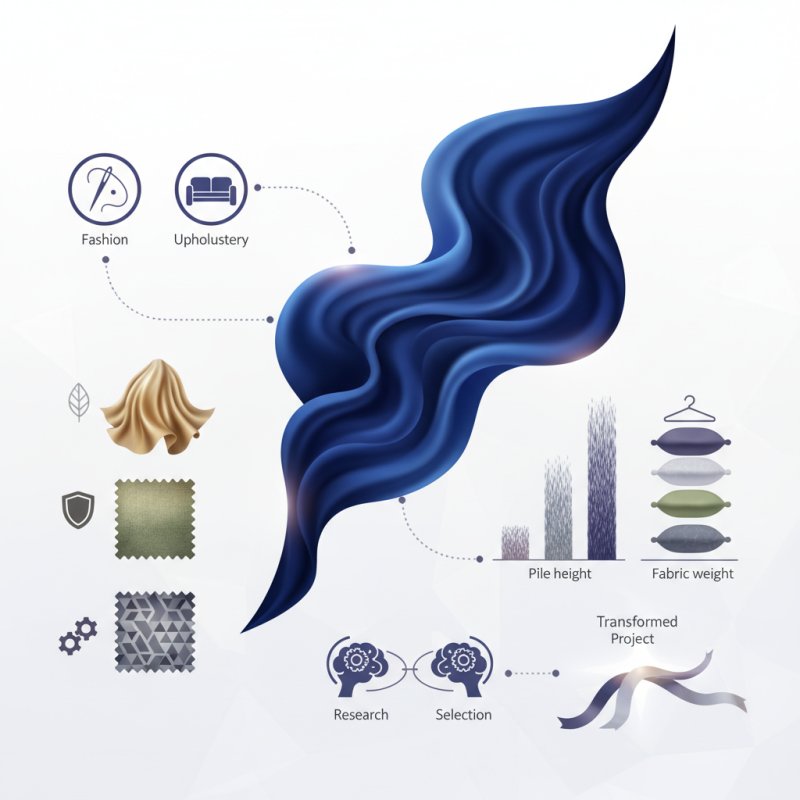
Choosing the right velvet can be challenging. Different types of velvet exist, such as silk, cotton, and synthetic blends. Each type affects durability and aesthetics. For instance, silk velvet is luxurious but less durable, while cotton velvet provides sturdiness. Consumers often overlook important factors like pile height and fabric weight. These elements influence how the fabric drapes and its overall appearance.
Reflecting on personal experiences can yield insights. Many have encountered issues with fabric quality, leading to project delays. Research and careful selection are vital. After all, the right Velvet Fabric can transform a simple design into something extraordinary.
Understanding Velvet Fabric Types: A Comprehensive Overview
Understanding velvet fabric types is crucial for any project. Velvet, known for its soft texture, comes in various types, each with unique characteristics. The most common types include cotton, silk, and polyester velvet. According to the Textile Research Journal, the global velvet fabric market is estimated to grow at a CAGR of 4.5% from 2021 to 2026.
When selecting velvet, consider the fabric's intended use. For upholstery, durable polyester velvet is ideal. It withstands wear and tear, making it perfect for high-traffic areas. On the other hand, silk velvet is luxurious but may require extra care. It's suitable for formal clothing or elegant drapes. Each option has its pros and cons, so weigh them carefully.
Tip: Always test a small patch before committing. This ensures the fabric behaves as expected. Additionally, pay attention to the fabric’s weight. Heavier velvets work well for structured pieces, while lighter ones are preferable for flowing garments.
Tip: Don’t forget to look at the pile direction before purchase. The way light hits the fabric can drastically change its appearance. It’s common to overlook this detail, leading to mismatches in color when used in the same project. Stay informed and deliberate in your choice to ensure the best outcome.
Evaluating Fabric Weight: A Key Factor in Velvet Selection
When selecting velvet fabric, assessing fabric weight is crucial. Velvet comes in various weights, which significantly impacts its suitability for different projects. Lighter weight velvets may drape beautifully, making them ideal for flowing garments or delicate upholstery. These fabrics can enhance the fluidity of shapes but may lack structure.
Heavier velvets provide greater durability and are perfect for furniture or structured clothing. Their density gives a rich visual appeal but can be cumbersome. It is essential to consider the final application of the fabric. Choosing the wrong weight can lead to disappointing results. Moreover, experimenting with samples is vital. Touching and feeling the fabric offers insight that mere observation cannot.
While heavy fabric looks luxurious, it can be overwhelming in certain designs. Lighter options may not hold up well under heavy use. Reflecting on the balance between aesthetics and functionality is important. Test different weights to fully understand their impact on the final look and feel of your project. Take your time to explore options, knowing that the best choice enhances your vision.
How to Choose the Best Velvet Fabric for Your Projects? - Evaluating Fabric Weight: A Key Factor in Velvet Selection
| Fabric Type | Weight (g/m2) | Recommended Use | Care Instructions |
| Lightweight Velvet | 150-200 | Lining, Soft Furnishings | Dry Clean Only |
| Medium Weight Velvet | 200-300 | Cushions, Curtains | Machine Washable, Low Heat |
| Heavyweight Velvet | 300-450 | Upholstery, Costumes | Spot Clean or Dry Clean |
| Stretch Velvet | 250-350 | Apparel, Dance Costumes | Machine Washable, Cold Water |
| Crushed Velvet | 200-400 | Fashion, Decorative Items | Dry Clean Recommended |
Assessing Texture and Finish: Choosing the Right Velvet for Your Project
When choosing velvet fabric for your projects, texture and finish are crucial. Velvet comes in various textures, such as crushed, plush, and embossed. Each type has different uses and aesthetic effects. Crushed velvet offers a unique shimmer and drape, while plush velvet is soft and luxurious. Consider how the texture will interact with light and your project's overall design.
A study by the Textile Institute shows that texture significantly impacts a fabric's perceived quality. Consumers prefer items that feel soft and look inviting. Velvet’s finish can also vary; some have a matte appearance, while others are shiny. The finish affects how light reflects off the fabric, altering the visual appeal.
Tips: Always test a small swatch of fabric in your intended lighting. This helps assess how the texture and finish appear in different environments. Pay attention to how the fabric behaves when draped or stretched. Consider durability and how often the item will be used. Velvet is delicate, so think twice before choosing it for high-wear items.
Colorfastness and Durability: Essential Considerations for Velvet Usage
Choosing the right velvet fabric involves critical considerations like colorfastness and durability. Colorfastness is vital for maintaining the vibrancy of fabric over time. Fabrics that rate low on colorfastness can fade, especially with exposure to sunlight. According to a study by the Textile Research Journal, fabrics rated at least 4 on the AATCC colorfastness scale tend to perform well under both washing and light exposure.
Durability is another key factor. Velvet must withstand everyday use, especially in upholstery projects. Industry reports indicate that a minimum Martindale grade of 30,000 is ideal for upholstery velvet. This level indicates strong fabric resistance to wear and tear. When selecting velvet, check these ratings closely to ensure longevity.
Tip: Always request swatches. Test them in your environment to see how they react to light.
Experimenting with different colors can yield surprising results. Lighter colors may highlight imperfections while darker hues can conceal them. However, choosing darker shades can also pose challenges for maintenance.
Tip: Think about how often the item will be used. High-traffic pieces need sturdier fabrics. Reflect on the practical implications of your choices.
Sustainability in Velvet Fabrics: Impact on Your Project Choice
When considering velvet fabric for your projects, sustainability is a significant factor. Velvet can be made from various fibers, including silk, cotton, and synthetic materials. However, the environmental impact varies widely. A report from the Sustainable Apparel Coalition indicates that synthetic fabrics often result in higher greenhouse gas emissions compared to natural fibers. Choosing organic cotton velvet helps reduce water usage by about 71% compared to conventional cotton.
Another point to note is the chemical processing involved in producing velvet. According to the World Resources Institute, around 20% of industrial water pollution comes from textile dyeing and treatment. Opting for eco-friendly dyes and treatments can mitigate this impact. Many manufacturers are now adopting sustainable practices, which can improve both the quality and ecological footprint of their products.
Still, it’s essential to critically assess these claims. Not all companies adhere to the same standards of sustainability. Scrutinizing certifications, such as Global Organic Textile Standard (GOTS), ensures that the fabric meets environmental criteria. Each project choice ensures that you're not only embracing aesthetics but also contributing positively to the environment.
Environmental Impact of Different Velvet Fabrics
 Automatic Doors, Inc.