How to Choose and Maintain Power Doors for Your Home or Business

When it comes to enhancing the accessibility and security of your home or business, power doors represent an innovative solution that merges convenience with modern technology. These automated entries not only provide ease of access but also contribute to the overall aesthetic of a space. Choosing the right power doors involves considering various factors such as functionality, security features, and environmental compatibility, which can significantly impact their performance and longevity.

Maintaining power doors is equally crucial and encompasses regular inspections, ensuring proper alignment, and timely repairs. By understanding the dynamics of power doors, property owners can make informed decisions that reflect their specific needs while ensuring optimal operation. Whether used in commercial settings for high-traffic areas or in residential spaces for improved accessibility, a thoughtful approach to selecting and maintaining power doors can lead to enhanced user experiences and increased property value.
How to Choose and Maintain Power Doors for Your Home or Business

Understanding the Types of Power Doors Available for Your Needs

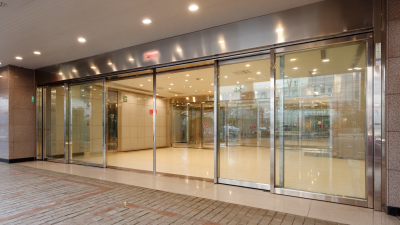
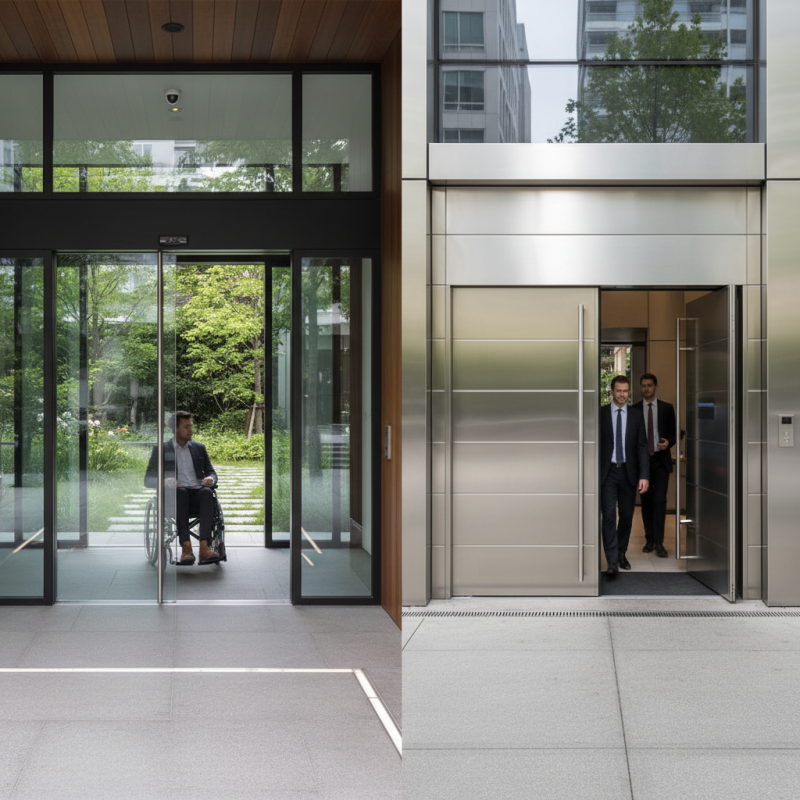
When choosing power doors for your home or business, it's essential to understand the various types available to meet your specific needs. Power doors can be classified mainly as sliding, swinging, and folding doors. Sliding doors are a popular choice for both residential and commercial spaces due to their space-saving design and ease of use. They operate on tracks, allowing for smooth and effortless opening and closing, making them ideal for high-traffic areas.

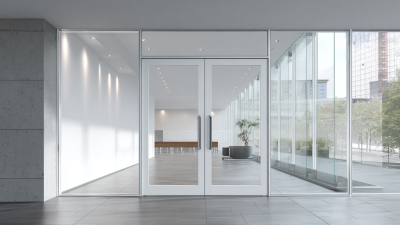
Swinging doors, on the other hand, are characterized by their traditional design, opening inwards or outwards. These doors are commonly used in settings where a grand entrance is desired or where space permits. They can accommodate various security features and are customizable to match the aesthetic of any building.

Lastly, folding doors offer flexibility in configuration, folding back to create a wide entryway. This type is particularly beneficial for businesses that require large openings for loading and unloading purposes, or for homeowners looking to create a seamless indoor-outdoor living space. Understanding these options can help you select the most suitable power door that meets both functionality and aesthetic requirements for your property.


Key Factors to Consider When Choosing Power Doors for Your Property

How to Choose and Maintain Power Doors for Your Home or Business

When selecting power doors for your property, several key factors must be considered to ensure optimal functionality and security. According to a report by the International Door Association, over 70% of businesses rely on automatic doors to enhance accessibility while maintaining energy efficiency. This is particularly crucial for commercial properties, where high foot traffic demands reliable entry solutions. Consider the type of power door mechanism you prefer—swinging, sliding, or folding—as this will impact both the flow of customer movement and the space available around the entrance.

Another vital aspect is the installation's compliance with building codes and regulations, particularly regarding safety standards. The American National Standards Institute (ANSI) indicates that power doors must adhere to specific guidelines to minimize risks during operation. Moreover, regular maintenance is essential; failure to conduct routine checks can lead to increased operational costs and safety hazards. A study by the National Institute of Standards and Technology highlights that properties that maintain their automatic doors properly can reduce repair costs by up to 25% annually. Balancing these factors will ensure that your investment in power doors enhances your property’s functionality, security, and overall value.

Maintaining Power Doors: Essential Tips for Longevity and Performance

When it comes to the longevity and performance of power doors, proper maintenance is crucial. According to an industry report by the American National Standards Institute (ANSI), regular upkeep can extend the lifespan of power doors by up to 30%. This includes keeping the door tracks clear of debris, which can be a common cause of malfunction. Additionally, regular inspections and maintenance of the motor and electrical components can prevent costly repairs down the line.

Tips for maintaining your power doors include performing monthly checks on the door alignment and ensuring that sensors are clean and functioning properly. Dirt and grime can accumulate, leading to misalignment and reduced efficiency. Lubricating moving parts at least twice a year can also help in preserving the functions of the door and avoiding wear and tear.

Furthermore, it’s recommended to engage a professional for an annual comprehensive inspection. Data from the National Institute for Occupational Safety and Health (NIOSH) suggests that having expert eyes on the functionality of your power doors can identify potential hazards before they escalate, enhancing safety and operational efficiency. Implementing these maintenance strategies will not only improve performance but also contribute to the durability of your power doors in the long run.

Common Issues with Power Doors and How to Troubleshoot Them

Power doors are increasingly popular in both residential and commercial settings, providing convenience and enhanced accessibility. However, these automated systems can encounter a variety of issues that may impede their function. According to a report by the International Door Association, roughly 30% of all power door failures are attributed to mechanical wear and tear. Regular maintenance is essential to minimize these problems and ensure smooth operation.

Common issues with power doors include malfunctioning sensors, misalignment, and electrical failures. Sensors, which are crucial for safety and functionality, can become obstructed or damaged, leading to doors that fail to open or close properly. Misalignment can be caused by improper installation or wear over time, resulting in a door that sticks or jams. An estimated 25% of power door issues arise from electrical system failures, often due to weather-related damage or outdated wiring systems. Troubleshooting these problems typically involves inspecting sensors for blockages, realigning the door mechanisms, and testing electrical components to identify potential faults. Regular inspections and prompt attention to any signs of malfunction can vastly improve the longevity and reliability of power doors, ultimately saving time and reducing repair costs.

Common Issues with Power Doors and Troubleshooting Strategies

Professional Services for Installation and Maintenance of Power Doors

When considering the installation and maintenance of power doors for either residential or commercial spaces, it is crucial to rely on professional services. According to a report by the Door and Access Systems Manufacturers Association (DASMA), approximately 40% of all door malfunctions can be traced back to improper installation. A professional service can ensure that power doors are installed correctly, adhering to all safety regulations and industry standards, thus minimizing potential risks. Moreover, experts in the field can provide valuable guidance on selecting the appropriate type of power door based on specific needs, such as traffic flow and security requirements.

Maintenance is another key aspect that cannot be overlooked. A study from the International Door Association (IDA) highlights that regular maintenance can extend the lifespan of power doors by up to 30%. Professional services typically offer comprehensive maintenance plans that include routine inspections, lubrication, and timely repairs. By utilizing expert services, property owners can prevent minor issues from escalating into costly repairs and ensure optimal functionality of their power doors. Investing in professional installation and maintenance not only enhances safety and efficiency but can also lead to significant cost savings in the long run.