Choosing among the 7 Best Tech Grade Calcium Formate Factory Suppliers requires more than comparing prices. It demands evidence, process knowledge, and careful supplier verification. Tech grade calcium formate supports construction materials, animal nutrition, leather processing, and industrial formulations. Each application may require different purity, moisture, particle size, and packaging controls.
Look closely at the details. A reliable Tech Grade Calcium Formate Factory should provide recent certificates of analysis, clear batch numbers, stable assay results, and traceable raw materials. Confirm testing for moisture, insoluble matter, chlorides, sulfates, and heavy metals. Production capacity also matters, especially when monthly demand changes suddenly. Strong suppliers usually explain their drying systems, laboratory equipment, storage conditions, and export experience without hiding behind vague claims.
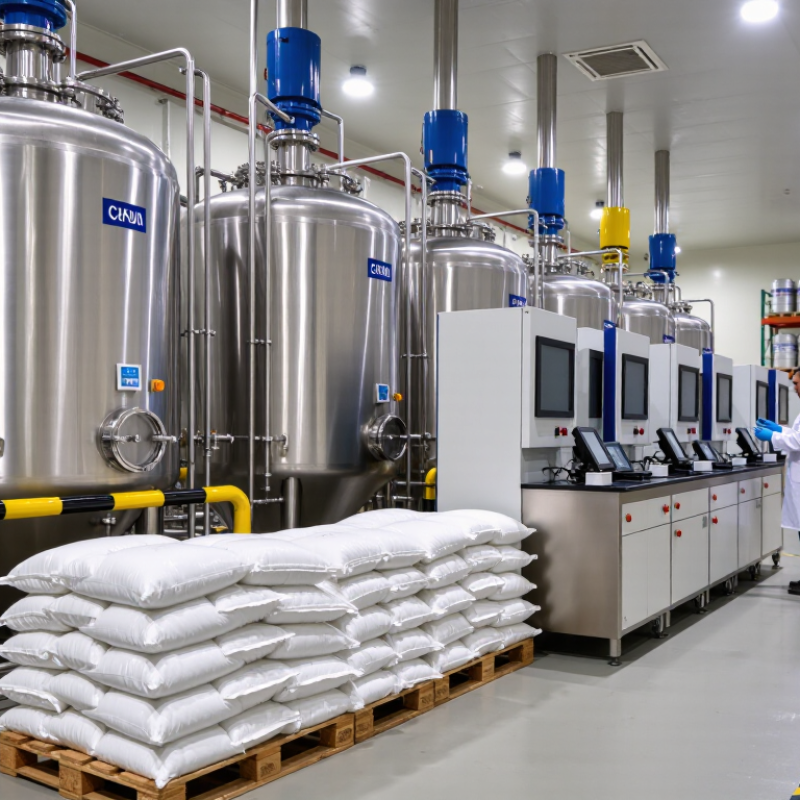
Quality begins inside the plant.
W. Edwards Deming, a respected quality-management expert, said, “Quality comes not from inspection, but from the improvement of the production process.” His principle remains relevant to chemical manufacturing. A factory should prevent variation, not merely detect it after production. However, supplier websites can exaggerate performance. That is an uncomfortable reality. Buyers should request samples, compare test methods, and review independent inspection records when practical. Certifications help, but they are not perfect substitutes for technical communication. This guide evaluates seven suppliers through product consistency, documentation, manufacturing experience, responsiveness, packaging, and delivery reliability. Some factories may look impressive online yet perform poorly under repeated orders. Careful verification remains essential.
What Is Tech Grade Calcium Formate and Where Is It Used?
Tech grade calcium formate is a white, free-flowing crystalline powder with the formula Ca(HCOO)2. It is usually manufactured for industrial processing, not direct human consumption. Its key value is reliable solubility and formic acid release. However, “tech grade” is not a universal purity standard. Buyers should check assay, moisture, chloride, insoluble matter, and heavy-metal limits.
Construction chemicals remain its largest application area. It works as a setting accelerator in cement-based products, tile adhesives, repair mortars, and self-leveling compounds. It can shorten curing time, especially in cooler conditions. A 2024 Grand View Research market assessment estimated the global calcium formate market at more than USD 500 million in 2023. The same report identified construction as a major demand sector. Market figures vary, though. They are estimates, not laboratory specifications. Calcium formate also appears in leather processing, industrial formulations, and selected drilling-fluid applications. Feed-grade material requires separate controls and should not be replaced casually with technical grade.
Tips: Request a recent certificate of analysis and a retained sample. Confirm particle size, packaging weight, production date, and storage humidity. ASTM or ISO references help, but they do not replace batch testing. In practical purchasing, the cheapest powder may create higher costs through caking, unstable dosing, or slower performance. Ask for application data. A supplier’s written specification is useful, but independent verification is wiser.

When evaluating calcium formate factories, start with measurable quality standards, not attractive product claims. Tech grade material should have a clear assay target, controlled moisture, and consistent particle size. Ask for recent certificates of analysis from several production batches. One sample proves little.
A reliable factory should explain its testing methods and calibration practices. Check limits for chloride, sulfate, insoluble matter, and heavy metals. The pH value should match the stated specification after preparation.
Packaging also matters. Moisture-resistant bags, sealed liners, and visible batch numbers protect the powder during storage and transport. Traceability matters more than elegant packaging.
Factory experience becomes visible during a technical audit. Review raw material records, production controls, laboratory equipment, and complaint handling.
Request samples from different dates, then compare color, flowability, and test results. Ask whether the supplier can maintain quality during larger orders. A polished certificate is not enough. Certificates can mislead.
I would also examine storage conditions and delivery records. Damp warehouses may damage an otherwise acceptable product. Some factories answer questions quickly but provide incomplete evidence. That is a warning sign.
Strong suppliers share specifications, safety documents, inspection procedures, and corrective-action records without avoiding difficult questions. Independent testing is still wise, especially before approving a long-term supply agreement.
How to Choose a Reliable Tech Grade Calcium Formate Supplier
Choosing a reliable tech grade calcium formate supplier requires more than comparing quoted prices. Start with the specification. Ask for assay, moisture, pH, insoluble matter, chloride, and heavy-metal limits. These figures should match your process, not a generic sales sheet. Request a recent certificate of analysis for the exact batch. Then verify the testing method and laboratory identity. A clear batch number matters. So does traceability.
Inspect production capability through practical evidence. Ask about raw-material controls, reaction equipment, drying conditions, and contamination prevention. A capable supplier can explain how powder consistency is maintained. Request a small sample for dissolution, particle-size, and application testing. It may reveal caking or unexpected residue. I once focused too heavily on purity and overlooked packaging strength. That mistake caused moisture pickup during transport.
Reliability also depends on documentation and communication. Check whether the supplier provides safety data, technical data, packing specifications, and export documents promptly. Verify applicable quality certifications independently. A certificate alone is not enough. Ask for audit records, corrective-action examples, and retention-sample procedures. Evaluate production lead time, minimum order quantity, storage conditions, pallet design, and claims handling. Put acceptance criteria in writing. Include sampling rules and replacement responsibilities. Cost still matters, but the lowest offer can become expensive after retesting, downtime, or disposal. No supplier is flawless. The useful question is how openly it handles problems and improves controls.
These benchmarks reflect commonly used technical-grade calcium formate purchasing specifications: assay should be at least 98.0%, while moisture, chloride, sulfate, and insoluble matter should remain below stated limits. A typical pH range is 6.0–8.0. Buyers can use these measurable criteria to compare quality consistency, testing capability, and supplier reliability without relying on brand names.
Seven leading tech grade calcium formate factory suppliers should be judged by evidence, not attractive catalog claims. The strongest profiles include integrated mineral processors, high-purity chemical plants, export-focused manufacturers, construction-grade specialists, feed-chemical producers, custom packaging factories, and suppliers with laboratory-scale development teams. Each should provide a current certificate of analysis, batch traceability, moisture data, purity results, and production capacity.
A 2024 market assessment by Grand View Research projects steady growth in the global calcium formate market through 2030, supported by construction chemicals, animal nutrition, and industrial applications. That growth increases the need for stable factory production. Buyers should compare purity, typically near 98% for technical grades, alongside chloride, iron, insoluble matter, and particle-size controls. A reliable plant will explain testing methods rather than simply promise “high quality.”
Factory audits are valuable. Check drying equipment, sealed storage, calibration records, and loading procedures. Ask for three consecutive batch reports. One sample proves little. ISO 9001 certification can support process consistency, but it does not replace independent testing. Export experience also matters because moisture uptake can affect bags during long sea transport. Some suppliers look impressive online yet provide weak documentation. That is an uncomfortable, but practical, warning. Verify before signing.
7 Best Tech Grade Calcium Formate Factory Suppliers?
A serious supplier comparison should start with quality, not the lowest quotation. Recent market analysis from Grand View Research identifies construction chemicals and animal nutrition as major calcium formate demand sectors. For technical applications, buyers should request assay, moisture, insoluble matter, pH, and heavy-metal results. A typical technical specification may require assay above 98%, but acceptance limits differ by application. Check the method, not only the number.
Capacity needs evidence. Factory brochures often show annual capacity without explaining actual production lines. Request recent batch records, production-site details, and three consecutive certificates of analysis. The ISO Survey reports millions of certified management-system sites worldwide, yet ISO 9001 certification alone does not prove chemical purity. That distinction matters. Look for lot traceability, controlled drying, sealed inner packaging, and retained samples. Small details expose weak systems.
Pricing should include more than the tonnage figure. Compare minimum order quantity, packaging weight, payment terms, Incoterms, freight, and testing fees. Public trade-data platforms, including UN Comtrade, can help benchmark import values, although customs classifications may combine related chemicals. Service is measurable. Ask how quickly the supplier issues SDS files, technical responses, replacement decisions, and shipment updates. A 24-hour reply is useful, but consistent documentation is better. I would also test one pilot batch before signing a large contract. It costs more initially. It may prevent an expensive production interruption.
| Rank | Anonymous Factory Profile | Typical Tech-Grade Quality | Estimated Annual Capacity | Indicative Export Price* | Service and Supply Advantages | Best Application Fit |
|---|---|---|---|---|---|---|
| 1 | Large Integrated Producer | Purity: ≥98.0% Moisture: ≤0.5% Calcium content: approximately 30.7% Consistent lot-to-lot quality | 50,000–100,000 metric tons/year | US$330–470/MT Low–mid range | Stable bulk supply, export documentation, container loading, technical data sheet, and regular batch COA support. | Large-volume concrete admixture, construction chemicals, and recurring industrial orders. |
| 2 | High-Capacity Chemical Manufacturer | Purity: ≥98.0% Moisture: ≤0.5% Typical pH of aqueous solution: about 6.0–8.0 Standardized particle-size control | 30,000–80,000 metric tons/year | US$340–490/MT Competitive | Flexible packaging from 25 kg bags to jumbo bags, production scheduling, pre-shipment inspection coordination, and private-label-free neutral packaging. | Importers requiring dependable capacity and flexible packaging options. |
| 3 | Export-Oriented Mid-Size Factory | Purity: ≥98.0% Moisture: ≤0.5% Low insoluble matter under standard specifications Batch COA available | 15,000–40,000 metric tons/year | US$350–520/MT Mid range | Responsive quotation handling, mixed-container support, pre-production sample approval, and assistance with common export documents. | Regional distributors and medium-volume buyers testing new supply sources. |
| 4 | Specialty Particle-Size Producer | Purity: ≥98.0% Moisture: ≤0.5% Customized powder or granular grades Particle-size data available by request | 10,000–25,000 metric tons/year | US$380–560/MT Value-added | Particle-size customization, application samples, technical consultation, and support for formulation trials. | Dry-mix mortar, tile adhesive, specialty construction formulations, and process-specific applications. |
| 5 | Cost-Efficient Regional Manufacturer | Purity: ≥98.0% Moisture: generally ≤0.5% Standard industrial specification Routine quality inspection | 8,000–20,000 metric tons/year | US$300–430/MT Budget focused | Competitive pricing, standard 25 kg packaging, straightforward order processing, and economical full-container shipments. | Price-sensitive buyers with established specifications and limited customization needs. |
| 6 | Quality-Control-Focused Factory | Purity: ≥98.0% Moisture: ≤0.5% Testing commonly includes assay, moisture, calcium content, and appearance Traceable batch records | 12,000–30,000 metric tons/year | US$370–540/MT Quality focused | Pre-shipment samples, retained samples, documented inspection procedures, complaint handling, and product traceability. | Buyers prioritizing repeatability, audit readiness, and documented quality control. |
| 7 | Flexible Small-Batch Supplier | Purity: ≥98.0% Moisture: ≤0.5% Standard tech-grade powder Small-batch testing available | 5,000–15,000 metric tons/year | US$390–600/MT Flexible volume | Lower minimum order quantities, sample dispatch, customized outer cartons, and direct communication for development-stage projects. | Small importers, laboratory-scale trials, new product development, and low-volume recurring purchases. |
| *Indicative export price benchmarks for standard technical-grade calcium formate, generally quoted per metric ton on a bulk-order basis. Actual pricing varies according to purity specification, particle size, order quantity, packaging, origin, freight, seasonality, payment terms, and Incoterms. Buyers should verify current quotations, product samples, certificates of analysis, and applicable regulatory documentation before purchase. | ||||||