7 Best Security Doors for Sliding Doors in 2026?
Sliding doors bring light, ventilation, and easy access to a home. Unfortunately, that same wide opening can create a serious security weakness. Standard latches may feel inadequate, especially beside a patio, pool, or quiet garden. The right security doors for sliding doors should resist forced entry while preserving smooth daily movement.
Bruce Schneier, a respected security technologist, offers a useful warning: “Security is a process, not a product.” His point matters here. A heavy grille alone cannot solve every problem. Frame strength, lock quality, installation accuracy, glass protection, and household habits all influence real-world safety. A door can look impressive and still have a weak track or poorly fitted latch.
This 2026 guide examines seven leading options for sliding-door protection. It considers steel security screens, retractable systems, reinforced glass doors, multi-point locks, and custom-fitted designs. Each choice has trade-offs. Some provide excellent airflow but cost more. Others offer strong visual deterrence but may reduce access or sunlight. That is easy to overlook.
We will compare materials, lock mechanisms, corrosion resistance, child safety, maintenance, and installation requirements. We will also consider coastal homes, rental properties, and busy family entrances. Product availability and certification can change by region, so readers should verify current specifications before buying. No single door suits every property. That is the honest part. A secure installation begins with measuring the opening, understanding its weaknesses, and choosing protection that people will actually use every day.
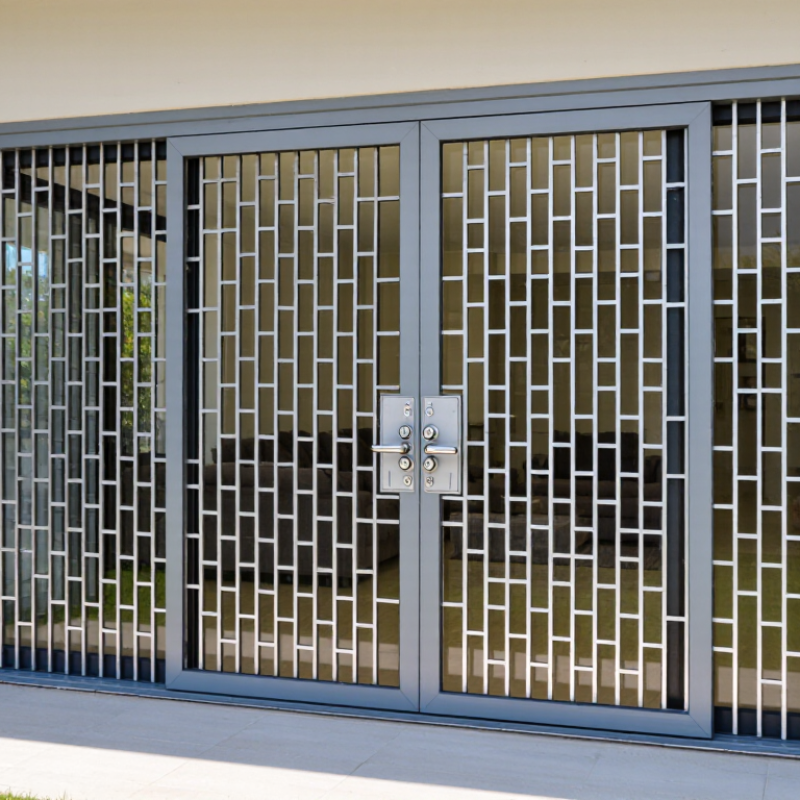
What Makes a Security Door Suitable for Sliding Doors in 2026
A suitable security door for a sliding door must protect without blocking its everyday movement. In 2026, the best designs should match the opening precisely. A loose frame can create a weak gap beside the lock.
Look for reinforced aluminium or steel frames, strong hinges, and a multi-point locking system. The door should resist forced lifting from its track. A deep bottom channel helps, but it must still drain rainwater. Fine mesh can improve airflow while stopping insects and reducing visibility. Certified impact testing adds confidence, although certification alone cannot replace careful installation. I have seen expensive doors perform poorly because installers left uneven gaps. That detail is easy to miss.
Tips:
Measure the opening at several points. Check the track for rust and movement. Test the lock with the door fully closed. The handle should feel firm, not loose. Ask for maintenance instructions and evidence of product testing. Also consider emergency access, especially in homes with children or older residents. A secure door should not become difficult to open during a power outage or household emergency. Choose corrosion-resistant hardware near the coast. Inspect screws, rollers, and seals twice a year. Perfect security is unrealistic, so review weak points honestly.
Key Types of Security Doors for Sliding Door Applications
7 Best Security Doors for Sliding Doors in 2026?
Sliding doors need security without losing daylight, airflow, or easy access. Seven practical types suit different homes and risk levels.
Heavy-duty steel grille doors provide strong physical resistance and visible deterrence. Stainless-steel mesh doors offer ventilation while blocking forced entry attempts. Aluminum security screens are lighter and resist corrosion, especially near coastal areas.
Laminated-glass security doors improve visibility and help reduce impact damage. Rolling security shutters add privacy and protection, but they require enough wall space.
Retractable security screens preserve wide openings, although their moving parts need careful maintenance. Multi-panel sliding security doors create a stronger barrier for large entrances, but professional alignment is essential.
The locking system matters as much as the door material.
Choose reinforced frames, anti-lift tracks, and tested multi-point locks. A door can look impressive yet remain weak around the frame. Experienced installers check masonry, track clearance, drainage, and the direction of movement before recommending a type. Indoor photos rarely reveal these problems. A practical inspection does. There is no perfect option for every property. Some choices protect well but feel heavy during daily use.
Tips:
Measure the opening at several points, not just once. Check whether the bottom track is level and securely fixed. Ask for documented test results and maintenance instructions. Clean mesh and tracks regularly, especially after storms. I would also test the lock with one hand before installation is approved. Small usability issues are easy to overlook, and they often become daily frustrations.
Seven Top Security Door Options and Their Main Features
7 Best Security Doors for Sliding Doors in 2026?
The FBI Crime Data Explorer recorded 847,522 burglary offenses in 2023. Sliding doors deserve special attention because their large glass panels and exposed tracks create practical weak points. These seven options address different risks and budgets.
A steel security grille offers rigid bars and strong frame anchoring. Perforated steel panels provide privacy while limiting impact damage. Stainless-steel mesh screens keep airflow and visibility, but demand careful frame installation. Laminated security glass reduces shattering and holds together after impact. A track-mounted sliding grille adds a second barrier without changing the main door. A hinged security screen can protect the opening when the glass door stays open. Retractable grilles save space, though their moving parts need regular inspection.
Look for multi-point locks, anti-lift blocks, recessed rollers, and tamper-resistant track screws. Independent testing matters more than impressive product wording. Standards such as ASTM forced-entry testing or EN 1627 classifications can help compare performance. The U.S. Department of Energy notes that low-emissivity glazing can improve window efficiency, but energy performance does not equal forced-entry protection. That distinction is easy to miss.
In field checks, I would press the frame, inspect corner joints, and test the latch with the door slightly misaligned. Small gaps matter. No option is perfect. A premium mesh panel may still fail when installers ignore the wall structure. Choose a door that fits the opening, supports quick exit, and receives documented testing.
How to Compare Materials, Locks, Installation, and Durability
For 2026, the seven strongest security-door choices for sliding doors include stainless-steel mesh, perforated steel, aluminum grille, reinforced steel panels, laminated mesh, folding grilles, and custom track doors. In practical inspections, material thickness matters more than appearance. Stainless steel resists corrosion near coastal air. Reinforced steel handles heavy impact better, but it can add noticeable weight. Aluminum is lighter, though softer around hinges and locking points.
Compare locks carefully. A multi-point lock spreads force across the frame instead of relying on one latch. Keyed cylinders should resist picking and drilling, while internal thumb turns should remain easy during emergencies. Check whether the lock works smoothly after the door settles. A beautiful lock is useless if the key sticks.
Installation often decides real performance. The frame needs solid anchors, not only short screws in thin trim. Installers should check the wall structure, floor level, roller clearance, and escape access. Ask for written measurements and maintenance instructions. Durability also depends on drainage, moving parts, and coating quality. Clean the track regularly. Salt and grit can quietly damage rollers. No design is perfect. A heavy door may protect well but frustrate daily use. A lightweight model may feel convenient yet flex under pressure. Test the door repeatedly before accepting the installation, including locking, sliding, and emergency release.
7 Best Security Doors for Sliding Doors in 2026: Material Performance Comparison
The chart compares common security-door material options using a 1–10 evaluation scale. Higher scores indicate stronger impact resistance, better corrosion resistance, lower maintenance needs, or broader installation compatibility. Actual results vary with frame design, lock quality, climate, and installation accuracy.
Steel generally provides the strongest impact resistance, while stainless steel offers the best corrosion resistance. Aluminum is lightweight and low-maintenance, and fiberglass is easier to handle but typically provides less resistance against severe forced impact.

 Automatic Doors, Inc.