What Are Access Control Doors and How Do They Work?
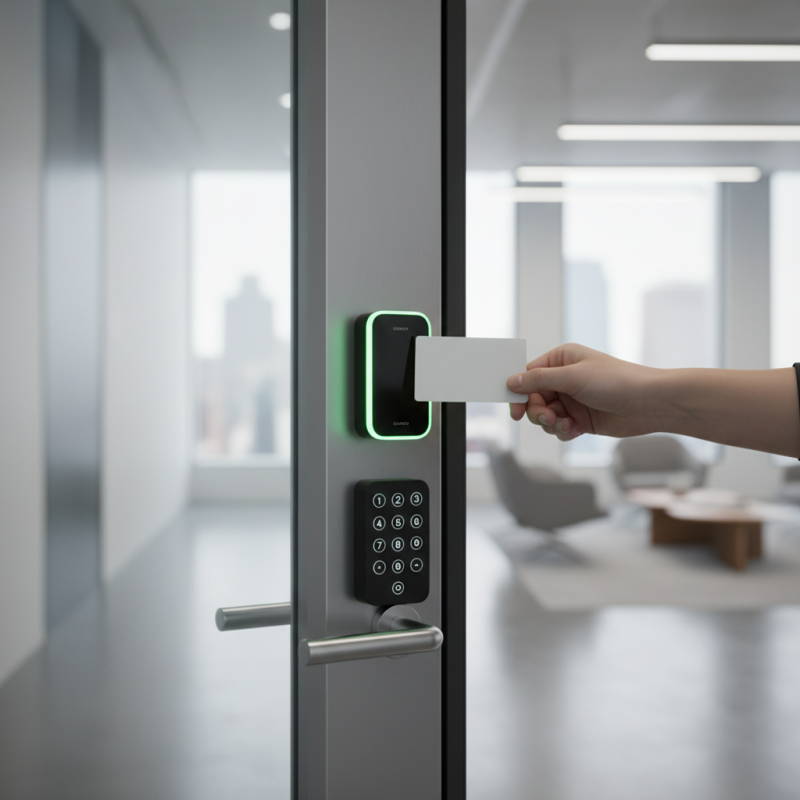
Access control doors play a crucial role in modern security systems. These doors regulate who can enter specific areas within a building. They often use electronic locks or card readers to grant or deny access. When a user approaches an access control door, they may swipe a card or enter a code. The system checks this information against a database. If authorized, the door unlocks; if not, it remains secured.
These doors are found in various settings, from offices to hospitals. They help protect sensitive areas, such as server rooms or medication storage. However, it’s essential to recognize their limitations. Poorly maintained systems can fail to lock or unlock as needed. Additionally, users may forget access credentials, leading to frustration and delays.
Overall, access control doors enhance security but require regular updates. They are not foolproof. Each installation needs careful planning and regular assessments for effectiveness. Balancing security with convenience can be challenging. Thus, continuous reflection on their performance is vital.
What Are Access Control Doors?
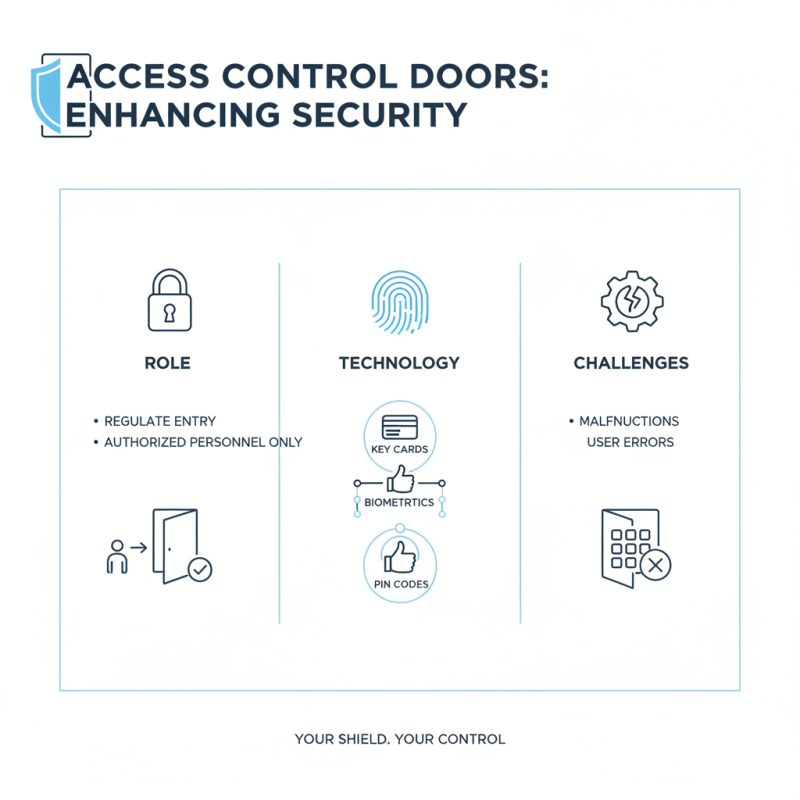
Access control doors play a crucial role in enhancing security for various buildings. These doors allow or restrict entry based on specific criteria, ensuring that only authorized personnel can enter. They often incorporate technology such as key cards, biometric scanners, or PIN codes. Each method provides a unique layer of security, but they also come with challenges like malfunctions or user errors.
Understanding how access control doors operate is essential. For example, when a user scans a card, the system verifies their credentials. If approved, the door unlocks. Sometimes, the system may fail, creating potential security gaps. Regular maintenance is necessary to minimize these risks. It’s essential to weigh the pros and cons of each technology. Some methods may be costlier or less user-friendly than others.
Organizations must also consider integration. Access control systems should work seamlessly with existing security measures. Otherwise, they can become a weak link. Often, discussions about security focus only on technology, ignoring the human factor. Training staff is just as important as installing advanced systems. Balancing technology with proper training enhances security substantially.
Key Components of Access Control Door Systems
Access control door systems are essential for enhancing security in various settings. They integrate several crucial components that work together to manage entry points effectively. One primary element is the access control panel. This device communicates with various entry devices, enabling or denying access based on predefined permissions. A malfunctioning panel could lead to unauthorized entry.
Another vital component is the locking mechanism. It can be electric or magnetic. An electric lock typically requires a power supply and might fail during outages. Magnetic locks offer strength but may not function properly if not aligned correctly. User interfaces also play a significant role. These can range from keypads to biometric scanners. However, user error can lead to access problems or security breaches.
Monitoring devices, like cameras, are essential for tracking who enters and exits. These systems can be vulnerable if not regularly checked or updated. Poor maintenance may render them ineffective. Overall, while access control doors enhance security, they require careful management and regular assessments to ensure their effectiveness.
How Access Control Doors Enhance Security
Access control doors play a crucial role in enhancing security for various environments. These specialized doors are designed to
restrict entry to authorized personnel only. This is achieved through various mechanisms like key cards, biometric scanners, and PIN codes. By
limiting access, businesses can reduce the risk of theft and unauthorized entry.
However, implementing access control doors does require careful planning and execution. Organizations need to determine who has access and when. Failure to update access
permissions can lead to security gaps. For instance, former employees might retain access if the system isn't regularly monitored. Also, reliance on technology can
make systems vulnerable to hacking or malfunctions, which requires constant vigilance and maintenance.
To truly enhance security, these doors should be part of a comprehensive security strategy. This includes regular training for
employees and upgrades to the access control system as needed. While access control doors significantly improve safety, they are not foolproof. It's essential to remain aware of
potential weaknesses and address them promptly. A proactive attitude toward security ensures these systems provide maximum protection for everyone involved.
Mechanisms Behind Access Control Technologies
Access control technologies are essential for modern security systems. They help manage who can enter certain areas. The mechanisms behind these technologies are varied but all aim for efficiency and safety.
One common mechanism is electronic locks. These locks can be opened using keycards or codes. Users swipe their card and the lock disengages. There’s also biometric scanning. This method uses fingerprints or iris patterns to verify identity. Biometric systems aim to reduce unauthorized access. However, they can fail if sensors are dirty or malfunctioning. That can lead to frustrating situations.
Another method is remote access control. It allows security personnel to monitor entry points from afar. Cameras and motion detectors play a vital role here. They provide real-time feedback, enhancing security. Despite these benefits, some systems can be complex. Training staff to use them effectively can be a challenge. Mistakes may happen, leading to security gaps that need addressing. Continued evaluation is crucial to improving these mechanisms.
Access Control Technologies Overview
This bar chart illustrates the percentage usage of different access control technologies in various security systems. Biometric systems lead in usage, followed by RFID and keypad systems.
Types of Access Control Doors and Their Applications
Access control doors are essential for enhancing security in various environments. Different types of access control doors cater to specific needs. For instance, electronic door locks provide convenience and security in commercial spaces, while biometric doors offer heightened protection by using fingerprint or facial recognition technology. According to a report by the Security Industry Association, the electronic access control sector is expected to grow by 10% annually, emphasizing the rising demand for secure access solutions.
In educational institutions, magnetic lock doors are commonly used to ensure student safety. They automatically lock during emergencies. This technology not only deters unauthorized entry but also allows for quick evacuation if necessary. A study indicates that facilities employing advanced access control see a 30% reduction in security incidents. However, flaws in these systems can arise if not properly maintained.
Tip: Regularly inspect your access control systems. Neglect can lead to vulnerabilities.
Another prevalent option is the smart lock, integrating with mobile devices. This makes it easy to grant access remotely. However, relying solely on technology can lead to failures, such as power outages or device malfunctions. Organizations should have backup plans to address these issues.
Tip: Always have a manual override for emergency situations. Proper user training is crucial to ensure system reliability.




 Automatic Doors, Inc.